Siamese fighting fish
Betta splendens

A Siamese fighting fish immediately draws attention through colour, flowing fins and an inquisitive gaze. Behind that appearance is a territorial fish whose needs differ sharply from those of a shoaling species. Betta splendens originates in Southeast Asia, while familiar aquarium forms have been strongly shaped by selective breeding. A male is best planned as the sole fish in a heated, filtered, planted aquarium. Living alone does not mean living in a tiny, bare or unstimulating container. Gentle flow, safe resting leaves and access to warm air are important. Its labyrinth organ allows air breathing but does not make dirty water acceptable. The key choice is therefore an environment where this individual can swim, rest and feed calmly rather than a spectacular community that constantly challenges its territory.
Plan your aquarium →At a glance
- Temperature
- 24–28 °C
- pH
- 6.5–7.5
- GH
- 8–12 °dGH
- Aquarium length
- At least 45 cm
- Minimum aquarium volume
- At least 40 L
- Adult size
- Approximately 6–7 cm
- Group size
- 1 individuals
- Swimming zone
- Surface, Middle
- Temperament
- Territorial
- Lighting preference
- Subdued lighting
- Cover
- Plants and sheltered areas
- Staple food
- Fine flakes
- Supplementary food
- Live food, Frozen food, Finely crumbled dried natural food
Our cautious lower planning limit for one male is 45 cm length and approximately 40 litres gross; prefer 60 cm and 54 litres or more. These litres describe a practical tank choice, not an exact biological threshold.
About this species
The body reaches around 6–7 cm; extended ornamental fins can make the fish appear much larger. Short-finned forms often swim more readily than very long-finned fish, but remain territorial. The photograph shows an ornamental captive form, not proof of a pure wild lineage. Males often have more conspicuous fins, although not every short-finned fish is female.
The labyrinth organ permits breathing at the surface. This is an ecological adaptation, not justification for an unfiltered vase. The species belongs to Osphronemidae. Choose an alert fish that swims and feeds well, and give extreme fin forms particular attention to resting opportunities and easy access to the surface.
Natural habitat
Wild Betta splendens is known from the central Thai lowlands, among other areas within its native range. Shallow, slow or still vegetated waters change with the seasons. Rice fields and marshy habitats do not demonstrate that a fish should spend its life in a tiny muddy puddle. Such landscapes offer horizontal structure, and waters may expand or connect seasonally.
Useful aquarium features are planting, gentle flow, shade and continuous surface access. A lid helps retain warm humid air above the water while ventilation remains necessary. Do not cover the entire surface with floating plants. A reference to nature never replaces adequate space, heating and maintenance indoors.
Aquarium and layout
Our cautious lower planning limit for one male is 45 cm length and approximately 40 litres gross; prefer 60 cm and 54 litres or more. These litres describe a practical tank choice, not an exact biological threshold. Provide several resting sites just below the surface, soft plants and smooth wood without sharp openings. Diffuse the filter outlet so long fins are not constantly pushed around.
Use thermostatic heating, a thermometer and a suitable lid. Mature the filter before stocking. Keep an accessible breathing area and check that the fish can use the whole aquarium without struggling against the flow.
Water conditions
Choose 24–28 °C, pH 6.5–7.5 and approximately 8–12 °dGH for ordinary captive ornamental forms. Sources give wider limits, but stable moderate conditions are preferable to daily chemical adjustments. No unsupported KH target is added; pH stability still matters.
Ammonia and nitrite should be undetectable, and air breathing offers no exemption. Regular matched partial changes remain necessary. Unheated cold room-temperature water and prolonged overheating are unsuitable default housing conditions.
Behaviour and group size
The default is one male, not a pair or a female group presented as an easy beginner arrangement. Males can injure each other severely. Females may also be aggressive, and permanently keeping a male with a female does not ensure harmony. Some individuals tolerate carefully chosen companions; others do not.
Small fish, shrimps and conspicuous fins may trigger hunting or displays. Have separate accommodation ready before attempting a conditional combination. Prolonged mirror exposure or provoking threat displays is unnecessary. Plants, resting sites and predictable care offer more useful enrichment.
Feeding
Use a complete betta food with suitably small particles and a clear animal component. Natural feeding centres on small animal prey. Break flakes if necessary and watch the fish swallow them. One or two small daily meals are more practical than one large ration; adjust to body condition and consumption.
Suitable small live or thawed invertebrates provide variety. Dried Daphnia is supplementary, not a complete diet or a treatment for every abdominal complaint. Remove leftovers and ensure the filter current does not carry food beyond reach.
Breeding
Breeding is a separate planned project. The male builds a bubble nest and tends eggs and early larvae. Introducing a female can cause aggression and requires close supervision and safe separation. The female is usually removed after spawning, and the male once fry become free-swimming.
Initial food must be microscopic, followed later by appropriately sized nauplii. Warm humid air and gentle filtration matter during development. Do not begin without space, prepared starter food and a plan to separate and rehome the growing young.
Keeping with other species

Neon tetra
Not recommendedOverlapping water values do not make this a reliable standard pairing. Betta aggression varies; busy shoals and feeding competition can cause stress. Territory and long fins increase conflict risk. Prefer a separate, quiet setup.
View species profile →
Pygmy cory
Not recommendedA betta may threaten or hunt the tiny cory. Midwater and feeding areas overlap, while preferred hardness only meets at a boundary. Prefer calmer companions.
View species profile →
Harlequin rasbora
Suitable with conditionsOnly with a demonstrably calm betta, at least 80 cm, dense visual barriers and spare housing. 24–26 °C and GH 8–10 fit, but activity and feeding competition remain risks.
View species profile →
Ember tetra
Not recommendedThe ember is tiny and may be hunted, while a betta may be unsettled by the group. Partial water overlap does not establish safe companionship.
View species profile →
Ram cichlid
Not recommendedBoth can be territorial, with different hardness choices and space use. A slow betta and breeding ram pair create unnecessary risk.
View species profile →
Freshwater angelfish
UnsuitableSize, territory and conspicuous fins make this unsuitable. A quiet betta setup does not match an angelfish group’s space and social dynamics.
View species profile →
Tiger barb
UnsuitableBetta fins are vulnerable to busy fin-nippers. Its quiet surface feeding area conflicts with an active barb group.
View species profile →
Cockatoo dwarf cichlid
Not recommendedTwo territorial fish needing calm feeding can continually obstruct each other. Different layers are no guarantee; choose calmer companions for each.
View species profile →
Cherry shrimp
Not recommendedRisk to juvenilesRisk to adultsAdult dwarf shrimp may persist with quiet small fish; a species aquarium is safer for a breeding colony. A betta may deliberately hunt or pick at exposed parts. Individuals differ; dense plants and shells do not guarantee protection. Separation must be possible.
View species profile →
Bee shrimp
UnsuitableRisk to juvenilesRisk to adultsAdult dwarf shrimp may persist with quiet small fish; a species aquarium is safer for a breeding colony. A betta may deliberately hunt or pick at exposed parts. Individuals differ; dense plants and shells do not guarantee protection. Separation must be possible. The selected central husbandry ranges do not overlap sufficiently; do not force a compromise.
View species profile →
Tiger shrimp
Not recommendedRisk to juvenilesRisk to adultsAdult dwarf shrimp may persist with quiet small fish; a species aquarium is safer for a breeding colony. A betta may deliberately hunt or pick at exposed parts. Individuals differ; dense plants and shells do not guarantee protection. Separation must be possible.
View species profile →
Amano shrimp
Not recommendedRisk to juvenilesRisk to adultsAdult Amanos are larger than dwarf shrimp but vulnerable after moulting. Larvae also face predation and do not complete normal development in freshwater alone. A betta may deliberately hunt or pick at exposed parts. Individuals differ; dense plants and shells do not guarantee protection. Separation must be possible.
View species profile →
Bamboo shrimp
Not recommendedRisk to juvenilesRisk to adultsThis fan shrimp needs its own current perch and fine suspended food. Quiet fish must not intercept all food; protect fans, antennae and moulting animals. A betta may deliberately hunt or pick at exposed parts. Individuals differ; dense plants and shells do not guarantee protection. Separation must be possible.
View species profile →
African giant fan shrimp
Not recommendedRisk to juvenilesRisk to adultsThis fan shrimp needs its own current perch and fine suspended food. Quiet fish must not intercept all food; protect fans, antennae and moulting animals. A betta may deliberately hunt or pick at exposed parts. Individuals differ; dense plants and shells do not guarantee protection. Separation must be possible.
View species profile →
Horned nerite
Suitable with conditionsRisk of injury to snailsA shell does not protect the extended foot and tentacles. End the combination after persistent withdrawal or injuries. A betta may deliberately hunt or pick at exposed parts. Individuals differ; dense plants and shells do not guarantee protection. Separation must be possible.
View species profile →
Zebra nerite
Suitable with conditionsRisk of injury to snailsA shell does not protect the extended foot and tentacles. End the combination after persistent withdrawal or injuries. A betta may deliberately hunt or pick at exposed parts. Individuals differ; dense plants and shells do not guarantee protection. Separation must be possible.
View species profile →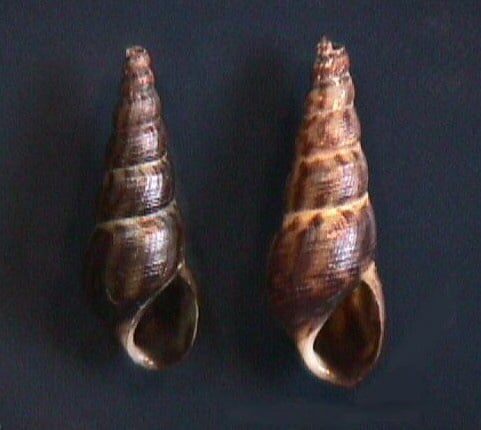
Malaysian trumpet snail
Suitable with conditionsRisk of injury to snailsA shell does not protect the extended foot and tentacles. End the combination after persistent withdrawal or injuries. A betta may deliberately hunt or pick at exposed parts. Individuals differ; dense plants and shells do not guarantee protection. Separation must be possible.
View species profile →
Ramshorn snail
Suitable with conditionsRisk of injury to snailsA shell does not protect the extended foot and tentacles. End the combination after persistent withdrawal or injuries. A betta may deliberately hunt or pick at exposed parts. Individuals differ; dense plants and shells do not guarantee protection. Separation must be possible.
View species profile →
Matano rabbit snail
Suitable with conditionsRisk of injury to snailsA shell does not protect the extended foot and tentacles. End the combination after persistent withdrawal or injuries. A betta may deliberately hunt or pick at exposed parts. Individuals differ; dense plants and shells do not guarantee protection. Separation must be possible.
View species profile →
Orange Mexican dwarf crayfish
Not recommendedRisk to adultsThe dwarf crayfish can grab resting or low-feeding fish and is itself vulnerable when moulting. Territories, separate caves and a closed lid matter; this is not a guaranteed fish-safe species. Long betta fins and resting places within claw reach are unfavourable. A territorial betta can in turn attack a soft crayfish.
View species profile →Suitable plants

Dwarf Anubias
Attach Anubias higher on wood for a resting leaf near the surface. Gentle flow and open breathing access remain essential.
- Light
- Low, Moderate
- CO₂
- CO₂ injection not needed

Java fern
Java fern gives gentle cover around resting areas. Preserve a clear surface route and do not bury the rhizome.
- Light
- Low, Moderate
- CO₂
- CO₂ injection not needed

Green wendtii crypt
Low marginal planting breaks sightlines without sealing the surface. Fits 24–28 °C; root in substrate, injected CO₂ not essential.
- Light
- Low, Moderate
- CO₂
- CO₂ injection not essential

Red root floater
This floating plant provides overhead shade and root cover. Limit coverage to part of the surface, keep feeding areas open and prevent the filter outlet from submerging the leaves. For Betta, always retain a clear route to air at the surface. Avoid strong surface flow and assess tankmates separately.
- Light
- Moderate, High
- CO₂
- CO₂ injection not needed
Suitable products
Recommended staple foods

Tropical Betta 50ml
Complete betta food with animal ingredients. Break flakes if needed; small portions in a calm surface feeding area.
Check retailer for price1 retailers
Compare pricesSupplementary foods
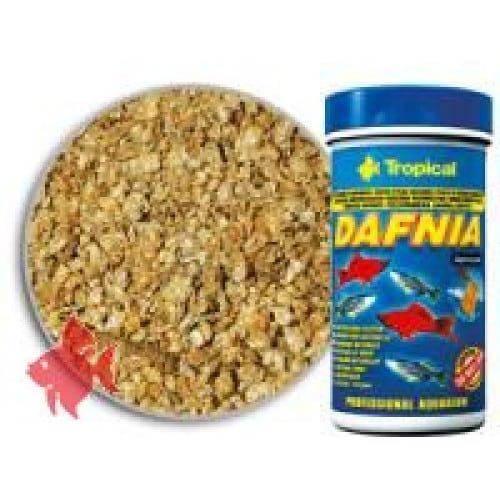
Tropical Dafnia 100ml
Small animal variety alongside complete betta food. Break down if needed; not a complete diet or medicine.
Check retailer for price1 retailers
Compare pricesWater testing and equipment
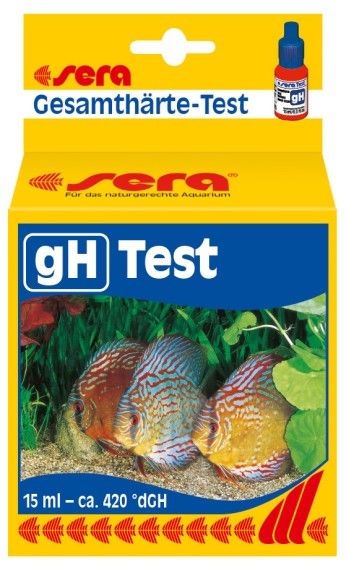
Sera - GH test
For checking a water parameter in this care guide. Follow the manufacturer’s test instructions; a test is not a treatment recommendation.
Check retailer for price0 retailers
Compare pricesPrices from the latest retailer update, excluding shipping. Check stock and delivery with the retailer.
Sources & review
This care guide draws on several specialist sources and was last checked on .