Tiger barb
Puntigrus tetrazona

The tiger barb, Puntigrus tetrazona, is a lively fish with dark vertical bars and a determined approach to aquarium life. A generous group can make a fascinating display without a long list of other species. Its reputation for fin-nipping needs to be taken seriously. More companions of its own kind and better cover may distribute attention within the group, but they do not automatically protect slow or long-finned neighbours. Choose this barb as part of a considered stocking plan, rather than as a final colourful addition to an otherwise quiet tank. Aquarium strains also have a less straightforward identity than their labels suggest: not every cultivated tiger barb can be assigned to a pure wild lineage. This guide addresses the familiar aquarium form while retaining that distinction and the scientific species identity in the central records.
Plan your aquarium →At a glance
- Temperature
- 22–26 °C
- pH
- 6.5–7.5
- GH
- 5–12 °dGH
- Aquarium length
- At least 80 cm
- Adult size
- Approximately 7 cm
- Group size
- At least 10 individuals
- Swimming zone
- Middle
- Temperament
- May nip fins, May compete for food
- Cover
- Plants and sheltered areas
- Staple food
- Fine flakes, Small granules
- Supplementary food
- Live food, Frozen food, Finely crumbled dried natural food
Provide at least eighty centimetres length for ten tiger barbs; one hundred to one hundred and twenty centimetres is more comfortable and preferable when considering tankmates. The fish need both room for group activity and escape routes. A tall aquarium with the same volume does not replace that length.
About this species
The classic pattern consists of four dark vertical bars on a pale body, with orange or red on parts of the fins and snout. Allow around seven centimetres total length for adult aquarium fish. A published measurement of six centimetres standard length excludes the tail fin and is therefore not directly equivalent.
Green, golden and albino forms may have strongly altered markings. Similar Puntigrus species and cultivated strains of uncertain background also occur. Neither a shop name nor a photograph establishes genetic purity. Choose normally proportioned fish with functional fins. Thinness, an abnormal spine or injuries matter more when buying than an unusual colour.
Natural habitat
The scientific species is associated with Sumatra. Older, wider distribution accounts may include related barbs from other regions. Habitat descriptions of relatives are also sometimes attributed to Puntigrus tetrazona. The detailed surroundings of wild populations are not sufficiently established to present a single elaborate natural scene as a proven standard.
For aquarium planning, use the well-documented husbandry requirements: room for active swimming, clean oxygenated water and structures that interrupt sightlines. Planted margins and wood can provide these. A gravel-and-plant arrangement is practical, but is not presented here as an exact reconstruction of a particular collecting site. Keeping that distinction avoids letting an attractive story imply greater certainty than the evidence supports.
Aquarium and layout
Provide at least eighty centimetres length for ten tiger barbs; one hundred to one hundred and twenty centimetres is more comfortable and preferable when considering tankmates. The fish need both room for group activity and escape routes. A tall aquarium with the same volume does not replace that length.
Keep an open swimming area and distribute robust plants and wood around the margins. Sight barriers should interrupt pursuit without creating narrow traps. Some fish nibble tender leaves, so do not rely entirely on delicate plants. Provide effective filtration and surface movement, together with quieter places away from the outlet. Cover the aquarium. Persistent injuries call for a change in stocking; heavier feeding is not a reliable treatment for aggression.
Water conditions
The practical maintenance range is 22–26 °C, pH 6.5–7.5 and GH 5–12. This follows moderate husbandry advice; broader published tolerances are not a reason to combine otherwise unsuitable fish. Maintain stable conditions and prepare replacement water carefully.
An active group creates a noticeable waste load, particularly when generously fed. Monitor ammonia, nitrite and nitrate and adjust maintenance accordingly. Pay attention to oxygen during hot weather: rapid breathing or gathering at the outlet calls for investigation. Avoid thoroughly cleaning all biological filter material at once. A good filter does not replace water changes or the removal of accumulated waste.
Behaviour and group size
Keep at least ten, preferably a larger group where space permits. They establish social relationships and may chase, display and nip fins. Group size influences behaviour, but there is no magic number that makes every combination safe.
Bettas, angelfish, long-finned guppies and gouramis with vulnerable feelers are poor choices. Small quiet tetras may also suffer from the activity. Other fast swimmers need a spacious aquarium and a separate assessment of water, size and food competition. A species aquarium is often the clearest option. Watch for torn fins, hiding and excluded individuals. Expecting a fish simply to become accustomed to continuous harassment is not responsible husbandry.
Feeding
Tiger barbs are omnivores. An appropriate complete flake or granular food containing both animal and plant ingredients provides a practical staple. Spread food across several places so the quickest fish do not take the whole ration every time. Choose particles that can be swallowed without repeated spitting out.
Add suitable small live or frozen foods; dried water fleas can offer variety. The group often looks hungry and keeps searching, but this is not an instruction to feed without limits. Assess body condition, abdominal fullness and leftovers. Extra animal food does not make an unbalanced diet complete and does not predictably solve fin-nipping. If bottom dwellers are present, check separately that their food reaches the substrate.
Breeding
The fish scatter eggs among plants or other fine material and do not care for their offspring. In a breeding aquarium, a suitable grid or spawning material can keep eggs beyond the adults' reach. Remove the adults after spawning; well-fed fish may still eat eggs.
Females carrying developing eggs are often fuller, while males may show stronger colour. Start with healthy parents, relatively soft water and prepared rearing facilities. Early fry require very small food and gentle filtration with a safe intake. Adjust food size and maintenance as they grow. When breeding colour forms, record the strain's background; do not describe offspring from an uncertain aquarium line as a pure wild population without evidence.
Keeping with other species

Zebra danio
Suitable with conditionsBoth are active, but even a large tiger-barb group may nip. Use short-finned danios, broad swimming areas and a separation plan. Shared profile: 22–24 °C; pH 6.5–7.5; GH 5–12. Layout recommendation: from 120 cm.
View species profile →
Guppy
UnsuitableShowy guppy fins and tiger-barb fin-nipping make an unsafe combination. More tiger-barb companions do not reliably remove the risk.
View species profile →
Siamese fighting fish
UnsuitableBetta fins are vulnerable to busy fin-nippers. Its quiet surface feeding area conflicts with an active barb group.
View species profile →
Honey gourami
UnsuitableSmall honey gouramis may be chased and have their feelers damaged. Shelter does not compensate for this temperamental mismatch.
View species profile →
Dwarf gourami
UnsuitableEven a larger dwarf gourami has vulnerable feelers and needs calm feeding areas. Dominance does not make fin-nipping safe.
View species profile →
Chili rasbora
UnsuitableTiny chili rasboras are easily crowded, threatened or treated as prey. Their quiet soft-water setup does not suit busy tiger barbs.
View species profile →
Boeseman's rainbowfish
Suitable with conditionsWater and activity may fit, but rainbowfish fins can still be nipped. Keep a proper barb group and separate if damage or chasing persists. Shared profile: 25–26 °C; pH 7–7.5; GH 10–12. Layout recommendation: from 150 cm.
View species profile →Suitable plants

Straight vallisneria
Keep robust plants at the sides and check nibbling damage from active tiger barbs. Ribbon leaves form a tall backdrop. Moderate to strong light, no compulsory CO₂; remove runners from open swimming or feeding areas. Shared profile: 22–26 °C; pH 6.5–7.5.
- Light
- Moderate, High
- CO₂
- CO₂ injection not essential

Java fern
Keep robust plants at the sides and check nibbling damage from active tiger barbs. Java fern on wood gives cover without loose substrate cuttings. Keep the rhizome exposed; low to moderate light, no compulsory CO₂. Shared profile: 22–26 °C; pH 6.5–7.5.
- Light
- Low, Moderate
- CO₂
- CO₂ injection not needed
Suitable products
Recommended staple foods
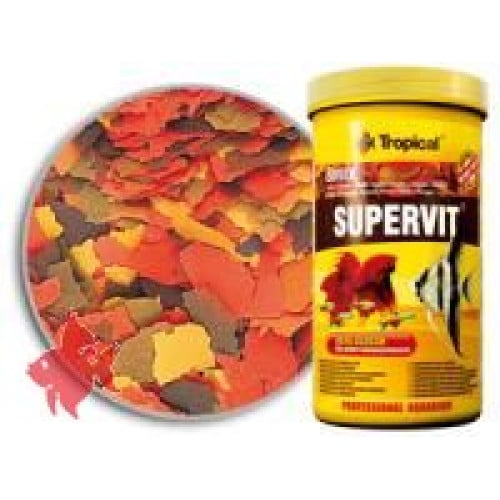
Tropical Supervit Basic 100ml
Complete food also named for tiger barbs by the manufacturer. Distribute small flakes across several spots to limit food dominance.
Check retailer for price0 retailers
View retailersSupplementary foods
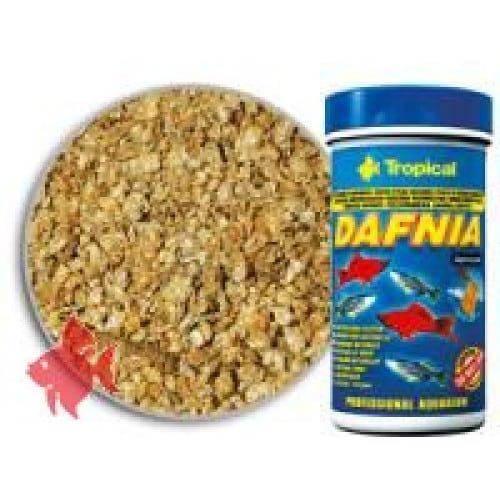
Tropical Dafnia 100ml
Dried Daphnia as a small supplementary variety. Adjust particle size and share among companions; never the only daily food.
Check retailer for price0 retailers
View retailersWater testing and equipment

Sera - GH test
For checking a water parameter in this care guide. Follow the manufacturer’s test instructions; a test is not a treatment recommendation.
Check retailer for price0 retailers
View retailersPrices from the latest retailer update, excluding shipping. Check stock and delivery with the retailer.
Sources & review
This care guide draws on several specialist sources and was last checked on .
View the sources
- LICG — Sumatraan — verzorging
- Seriously Fish — Puntigrus tetrazona — identity and aquarium care
- Tropical Fish Hobbyist — Terrific Tiger Barbs — keeping and breeding
- Eschmeyer's Catalog of Fishes — Puntigrus tetrazona — accepted name
- Applied Animal Behaviour Science (2010) — Group size and welfare of four aquarium fish species