Java fern
Microsorum pteropus

Java fern (Microsorum pteropus) produces firm green leaves from a creeping rhizome. Attached to wood or rock, it creates lasting cover for small fish. Its reputation as an easy plant mainly means that powerful lighting and added CO₂ are usually unnecessary. Burying its rhizome, crowding it or repeatedly moving it can still cause damage. Dark dots on older leaves may be reproductive structures rather than disease. Inspect their shape and position before removing otherwise healthy foliage. Allow a new specimen time to attach, and judge its progress through healthy new leaves rather than expecting rapid growth immediately.
Plan your aquarium →At a glance
- Difficulty
- Easy
- Plant height
- 15–40 cm
- Growth rate
- Slow
- Placement
- On wood or rock, Background
- Temperature
- 22–28 °C
- pH
- 5.0–8.0
- Light
- Low, Moderate
- CO₂
- CO₂ injection not needed
- Nutrient uptake
- Through the water column
- Root fertilisation
- Not necessary
- Attachment
- Wood or rock
- Propagation
- Rhizome division, Plantlets
About this plant
The ordinary species has elongated leaves; narrow-leaved and branching aquarium selections may look different. This guide does not automatically describe every cultivar. Kew accepts Microsorum pteropus and lists Leptochilus pteropus as a synonym. Either name can therefore appear on a reliable label. The rhizome is a stem, not a bundle of roots.
Natural habitat
Java fern comes from tropical and subtropical Asia. It grows in wet places, including rocks and watersides, both above and below water. Stable attachment and a sheltered position are useful features to reproduce; strong current is unnecessary. Combining this Asian plant with South American fish can be practical without representing a geographical biotope.
Placement in the aquarium
Cultivation guidance is 22–28 °C and pH 5–8. Allow 15–40 cm leaf height: many specimens stay lower, but mature plants need space. Attach in the middle or background on wood or rock, with the rhizome clear of the substrate. Roots may enter crevices or gravel. Keep leaves away from a heater and prevent them from blocking the filter intake.
Light
Low to moderate light suits ordinary Java fern. Avoid assuming the brightest position is best. Insufficient light slows new growth, while much stronger lighting does not automatically improve a slow-growing plant. Check shading from floating plants. A general start-up period of 6 hours can gradually reach 8 hours in stable conditions. No reliable species-specific PAR minimum is established here.
CO₂
Added CO₂ is not needed for ordinary care under modest lighting. The plant can also live in an aquarium already using injected CO₂, but does not justify buying a system solely for it. Keep any existing supply stable and appropriate for the animals. A slowly emerging leaf is not itself evidence of carbon deficiency.
Nutrition and fertilisation
Water-column nutrients are accessible to an attached fern. Potassium, nitrogen and phosphorus are macronutrients; iron and other trace elements are required in much smaller quantities. Base liquid fertilisation on the entire planting and existing nutrient supply. Holes and brown areas have several possible causes. Check leaf age, new growth and maintenance before supplementing a single element.
Substrate and root feeding
Nutrient soil or root tablets are not primary requirements for a fern on wood. Choose the substrate chiefly for fish and other plants. Keep the rhizome exposed; only the thin anchoring roots may enter the ground. After maintenance, check that displaced sand has not covered the base. Remove binding that begins to constrict the plant once it is securely attached.
Growth and pruning
Leaves develop gradually from the rhizome. Cut damaged leaves at their stalks with clean tools, retaining healthy foliage. Regularly arranged dark dots on the underside may be spore-bearing structures, unlike soft decay. Fine roots and tiny leaves growing on an older leaf may belong to a new plant: inspect them before pruning.
Propagation
Divide a large healthy rhizome, leaving each portion several sound leaves and roots, then reattach above the substrate. Young plantlets can also form on older leaves. Let these develop their own roots and leaves before gently detaching them. A healthy mother leaf need not be discarded merely because it carries plantlets; it can continue providing structure and functioning.
Suitable fish and animals
Small peaceful fish use the leaves and roots for cover. Shrimp grazing surfaces do not necessarily harm them. A firmly attached fern can be more practical around diggers than loose stem plants. Large fish may nevertheless break leaves or shift the supporting wood. Evaluate linked combinations alongside temperature and swimming space; a fern does not make unsuitable stocking safe.

Neon tetra
SuitableLeaves form sheltered margins even in low light. Suits 23–25 °C and soft, slightly acidic water. Attach to wood or stone with the rhizome exposed; keep the centre open.
View species profile →
Pygmy cory
SuitableJava fern supplies resting leaves at several levels for this midwater and bottom fish. Attach rather than bury; retain open sand.
View species profile →
Harlequin rasbora
SuitableRobust leaves and soft shade at the margins, with a clear group swimming lane. Java fern can grow without injected CO₂.
View species profile →
Siamese fighting fish
SuitableJava fern gives gentle cover around resting areas. Preserve a clear surface route and do not bury the rhizome.
View species profile →
Ram cichlid
SuitableWood-mounted Java fern provides a visual barrier without loose cuttings in the feeding area. Use 27–28 °C for joint maintenance.
View species profile →
Freshwater angelfish
SuitableJava fern mounted higher on wood helps break sightlines. Keep broad passages; it cannot replace required tank height.
View species profile →
Tiger barb
Suitable with conditionsKeep robust plants at the sides and check nibbling damage from active tiger barbs. Java fern on wood gives cover without loose substrate cuttings. Keep the rhizome exposed; low to moderate light, no compulsory CO₂. Shared profile: 22–26 °C; pH 6.5–7.5.
View species profile →
Green swordtail
Suitable with conditionsPlants break sightlines beside, not across, the long swordtail lane. Java fern on wood gives cover without loose substrate cuttings. Keep the rhizome exposed; low to moderate light, no compulsory CO₂. Shared profile: 22–26 °C; pH 7–8.
View species profile →
Dwarf gourami
Suitable with conditionsBreak sightlines around gourami territories without blocking the surface. Java fern on wood gives cover without loose substrate cuttings. Keep the rhizome exposed; low to moderate light, no compulsory CO₂. Shared profile: 25–27 °C; pH 6–7.5.
View species profile →
Bronze cory
Suitable with conditionsRobust marginal structure leaves open floor for larger bronze corys. Java fern on wood gives cover without loose substrate cuttings. Keep the rhizome exposed; low to moderate light, no compulsory CO₂. Shared profile: 23–26 °C; pH 6.5–7.5.
View species profile →
Kuhli loach
Suitable with conditionsAdd safe crevices and fine sand; young stems may be loosened by foraging. Java fern on wood gives cover without loose substrate cuttings. Keep the rhizome exposed; low to moderate light, no compulsory CO₂. Shared profile: 23–25 °C; pH 6–7.
View species profile →
Cockatoo dwarf cichlid
Suitable with conditionsPlants break sightlines but do not replace separate breeding caves and escape space. Java fern on wood gives cover without loose substrate cuttings. Keep the rhizome exposed; low to moderate light, no compulsory CO₂. Shared profile: 24–25 °C; pH 6–7.5.
View species profile →
Cherry shrimp
SuitableJava fern on wood offers lasting leaves and cover. Keep the rhizome exposed and leave access for maintenance and feeding.
View species profile →
Bee shrimp
SuitableJava fern on wood offers lasting leaves and cover. Keep the rhizome exposed and leave access for maintenance and feeding.
View species profile →
Tiger shrimp
SuitableJava fern on wood offers lasting leaves and cover. Keep the rhizome exposed and leave access for maintenance and feeding.
View species profile →
Amano shrimp
SuitableJava fern on wood offers lasting leaves and cover. Keep the rhizome exposed and leave access for maintenance and feeding.
View species profile →
Bamboo shrimp
SuitableJava fern on wood offers lasting leaves and cover. Keep the rhizome exposed and leave access for maintenance and feeding.
View species profile →
African giant fan shrimp
SuitableJava fern on wood offers lasting leaves and cover. Keep the rhizome exposed and leave access for maintenance and feeding.
View species profile →
Horned nerite
SuitableJava fern on wood offers lasting leaves and cover. Keep the rhizome exposed and leave access for maintenance and feeding.
View species profile →
Zebra nerite
SuitableJava fern on wood offers lasting leaves and cover. Keep the rhizome exposed and leave access for maintenance and feeding.
View species profile →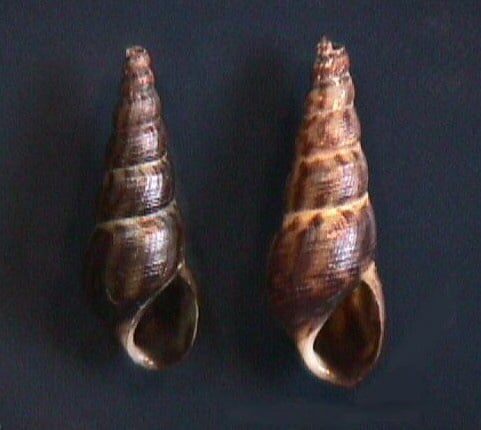
Malaysian trumpet snail
Suitable with conditionsJava fern on wood offers lasting leaves and cover. Keep the rhizome exposed and leave access for maintenance and feeding. Anchor new plants; burrowing or movement may dislodge loose roots.
View species profile →
Ramshorn snail
SuitableJava fern on wood offers lasting leaves and cover. Keep the rhizome exposed and leave access for maintenance and feeding.
View species profile →
Matano rabbit snail
Suitable with conditionsJava fern on wood offers lasting leaves and cover. Keep the rhizome exposed and leave access for maintenance and feeding. Retain open sand for the long shell; a dense carpet is less useful here.
View species profile →
Orange Mexican dwarf crayfish
Suitable with conditionsJava fern on wood offers lasting leaves and cover. Keep the rhizome exposed and leave access for maintenance and feeding. Anchor new plants; burrowing or movement may dislodge loose roots.
View species profile →Possible problems
Brown leaves do not always indicate disease. Distinguish spore structures, ageing, transition after purchase and actual soft rot. If growth stops, check access to light, nutrient balance and a firm exposed rhizome. Remove loose debris from between roots. Avoid changing everything at once; stable conditions and healthy new foliage are more informative than an individual old leaf.
Care for this plant
Plant fertiliser
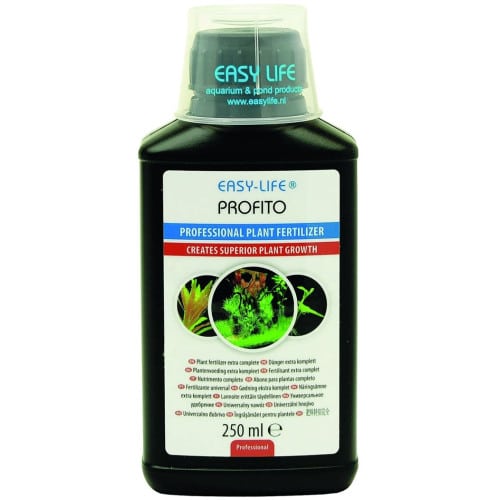
Easy Life ProFito 250ml
OptionalWater nutrients for Java fern attached to wood or rock, without requiring nutrient soil. ProFito supplies no nitrate or phosphate.
Check retailer for price0 retailers
Compare prices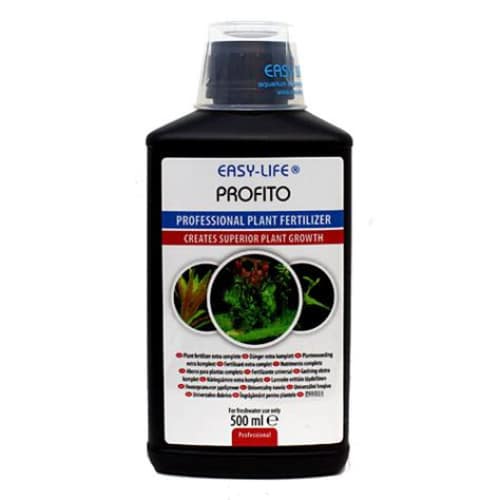
Easy Life ProFito 500ml
OptionalAn optional suitable product type; use according to manufacturer instructions and measured need.
Check retailer for price0 retailers
Compare pricesTools
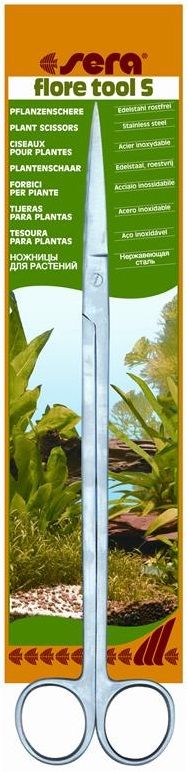
Sera Flore Tool S plantenschaar
OptionalScissors to remove damaged leaves near their base while protecting the growing point.
Check retailer for price0 retailers
Compare pricesPrices from the latest retailer update, excluding shipping. Check stock and delivery with the retailer.
Lighting has been investigated but is not yet linked: available specifications do not adequately establish light class and coverage at plant depth.
Sources & review
This care guide draws on several specialist sources and was last checked on .