Tiger shrimp
Caridina mariae

The tiger shrimp combines a translucent body with conspicuous dark stripes. Caridina mariae is a distinct species, not a striped cherry shrimp or simply another name for a bee shrimp. Various selected colours are kept, but maintenance must suit the particular line and stable water conditions. A mature, finely planted species aquarium makes feeding, moulting and breeding easiest to observe. In a mixed aquarium, survival of tiny offspring is especially uncertain. This guide addresses the species with its characteristic tiger pattern; unclear commercial hybrids require additional information about their origin.
Plan your aquarium →At a glance
- Temperature
- 20–24 °C
- pH
- 6.5–7.5
- GH
- 6–12 °dGH
- KH
- 1–6 °dKH
- Difficulty
- Moderate
- Diet
- Omnivore
- Plant safety
- Yes
- Minimum aquarium volume
- At least 30 L
- Adult size
- Approximately 2.5–3 cm
- Group size
- At least 10 individuals
- Swimming zone
- Bottom
- Temperament
- Peaceful
- Cover
- Suitable plants, Wood
Figures are cautious husbandry guidance, not a full stocking calculation. Missing values are insufficiently supported. Read layout, water and pairing conditions together.
About this species
Caridina mariae was formally described in 2014. Older aquarium accounts often use Caridina cf. cantonensis for tiger shrimp, placing different species under one name. Sloping dark bands on a relatively transparent body help recognition, although selected colours may alter these features. Adults reach roughly two and a half to three centimetres. Females are generally more robust and become readily recognisable when carrying eggs. The ordinary tiger pattern pictured does not represent every blue, red or orange-eyed commercial line.
Natural habitat
The species originates in southern China. Its original description links identity to examined specimens and localities, whereas aquarium lines are now bred under varied conditions. A low conductivity measured in the wild should not be treated as a mandatory target for every cultured line. Clean, oxygenated water and plentiful established surfaces support grazing. Wood and plants can create quieter pockets without forming stagnant, polluted corners.
Aquarium and layout
Prefer at least 30 litres for a starting group of ten. This is a practical basis for stable maintenance; fish added later retain their own space requirements. Protect filter intakes and prevent fine sponges becoming excessively clogged. Attach moss to wood or stone and provide a visible feeding area. An inert substrate can work when the water is already appropriate. Active soil is not mandatory for every tiger line and may introduce unnecessary changes if used without understanding its effect.
Water conditions
Around 20–24 °C and slightly acidic to neutral water are useful starting conditions. Tiger lines are often kept with more GH and KH than highly selected bee shrimp. Ask for measured breeding conditions and prepare the transition carefully. Central values are a conservative maintenance range, not a claim that every animal can be introduced without acclimation. Measure GH and KH separately. Conductivity is useful for following change, but a TDS number without knowing water composition is not a complete analysis.
Behaviour and group size
Tiger shrimp graze over accessible surfaces and seek cover when disturbed. Their size makes quiet neighbours and monitorable feeding areas important. One hiding shrimp may be moulting; prolonged disappearance of an entire group calls for checks of predators and conditions. Lift wood carefully and inspect plant trimmings for juveniles. Do not increase numbers solely because space appears available: natural growth and reliable maintenance also determine capacity.
Feeding
Provide biofilm and supplement selectively with complete food for small grazing shrimp. They can nibble a sinking granule gradually, so its diameter does not have precisely the same meaning as for a fish swallowing it whole. Very large or hard pieces remain impractical. Distribute small portions and prevent faster tankmates carrying everything away. Suitable dried leaves add grazing surfaces. Do not neglect the aquarium to create detritus: productive surfaces and poor water quality are different things.
Breeding
Females carry eggs under the abdomen and release small freshwater shrimp after development. No saltwater larval phase is necessary. Incubation varies, making a general period of several weeks more appropriate than a precise promise. Young need food near refuges and protection from filter intakes. Tiger and bee lines can be crossed; some modern trade names describe such hybrids. Record origins separately if offering pure species or breeding lines.
Keeping with fish
Keeping tiger shrimp with small fish requires distinguishing adult survival from juvenile recruitment. A quiet tetra may ignore a large shrimp yet take a newborn. Dense plants do not turn this into safety. Bettas and territorial dwarf cichlids may also harass larger shrimp. Choose a larger, appropriate layout if deliberately trying tankmates, and retain the ability to separate them. Read the individual fish assessments, including water and behaviour requirements.
Keeping with other invertebrates
Small peaceful snails may fit, but their need for shell-friendly water must match the chosen tiger line. Neocaridina and tiger shrimp are different species, yet feeding competition and water still require assessment. Bee shrimp add both a hybridisation question and potentially a different water target. Dwarf crayfish may catch small shrimp and are not a logical addition to a breeding group. The freshwater label says nothing by itself about compatibility.
Exoskeleton, shell and minerals
Moulting is part of normal growth and exoskeleton renewal. Provide several sheltered places rather than one busy cave. Keep mineral composition and water-change routines predictable. A shed exoskeleton can remain in a normally maintained tank. Investigate water changes, temperature, nutrition and other burdens if problems recur. Adding calcium, salt or vitamins without an established need is not a standard element of this care.
Possible problems
Deaths following a change call for review of maintenance and measured water conditions. Check filtration and oxygen, particularly in warmer weather. Do not use copper-containing treatments or other products without checking explicit suitability and application. A white area, colour loss or reduced activity can have several causes and is insufficient for diagnosis. Persistent problems warrant knowledgeable assessment rather than random treatment or simultaneous changes to the entire aquarium.
Keeping with other species

Neon tetra
Suitable with conditionsRisk to juvenilesRisk to adultsAdult dwarf shrimp may persist with quiet small fish; a species aquarium is safer for a breeding colony. Small neon tetras can eat newborn shrimp. Retain their own group and swimming space; moss reduces encounters without making young safe.
View species profile →
Pygmy cory
Suitable with conditionsRisk to juvenilesRisk to adultsAdult dwarf shrimp may persist with quiet small fish; a species aquarium is safer for a breeding colony. Pygmy corys share the substrate and feeding places. Quiet behaviour does not exclude taking tiny young; retain their group and separately accessible food.
View species profile →
Siamese fighting fish
Not recommendedRisk to juvenilesRisk to adultsAdult dwarf shrimp may persist with quiet small fish; a species aquarium is safer for a breeding colony. A betta may deliberately hunt or pick at exposed parts. Individuals differ; dense plants and shells do not guarantee protection. Separation must be possible.
View species profile →
Freshwater angelfish
Not recommendedRisk to juvenilesRisk to adultsAdult dwarf shrimp may persist with quiet small fish; a species aquarium is safer for a breeding colony. Adult angelfish are large and territorial and can seize smaller animals. Predation, picking and moulting vulnerability matter despite water overlap; their own large aquarium is still required.
View species profile →
Guppy
Suitable with conditionsRisk to juvenilesRisk to adultsAdult dwarf shrimp may persist with quiet small fish; a species aquarium is safer for a breeding colony. Guppies actively investigate small food and may take young shrimp. Consider harder water, stocking and feeding competition; adult survival does not establish safe juvenile recruitment.
View species profile →
Bee shrimp
Not recommendedRelated Caridina may cross; separate them to retain pure lines. Selected KH and pH profiles also offer little shared margin.
View species profile →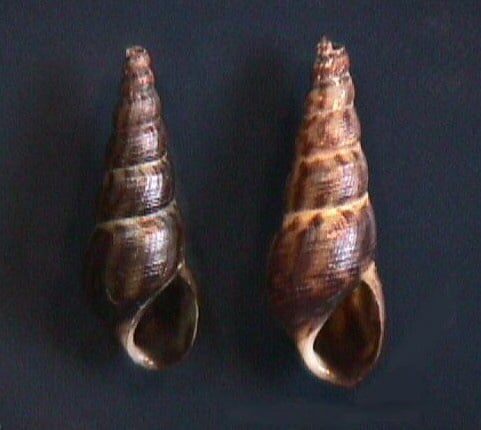
Malaysian trumpet snail
Suitable with conditionsQuiet behaviour helps, but choose stable water supporting the shell and the shrimp line. Monitor population and food.
View species profile →Suitable plants

Dwarf Anubias
Sturdy Anubias leaves and roots provide grazing surfaces and shelter. Attach the rhizome rather than burying it.
- Light
- Low, Moderate
- CO₂
- CO₂ injection not needed

Java fern
Java fern on wood offers lasting leaves and cover. Keep the rhizome exposed and leave access for maintenance and feeding.
- Light
- Low, Moderate
- CO₂
- CO₂ injection not needed

Java moss
Java moss offers finely branched grazing surfaces and juvenile refuges. It reduces encounters with fish without preventing predation.
- Light
- Low, Moderate
- CO₂
- CO₂ injection not essential
Suitable products
Recommended staple foods
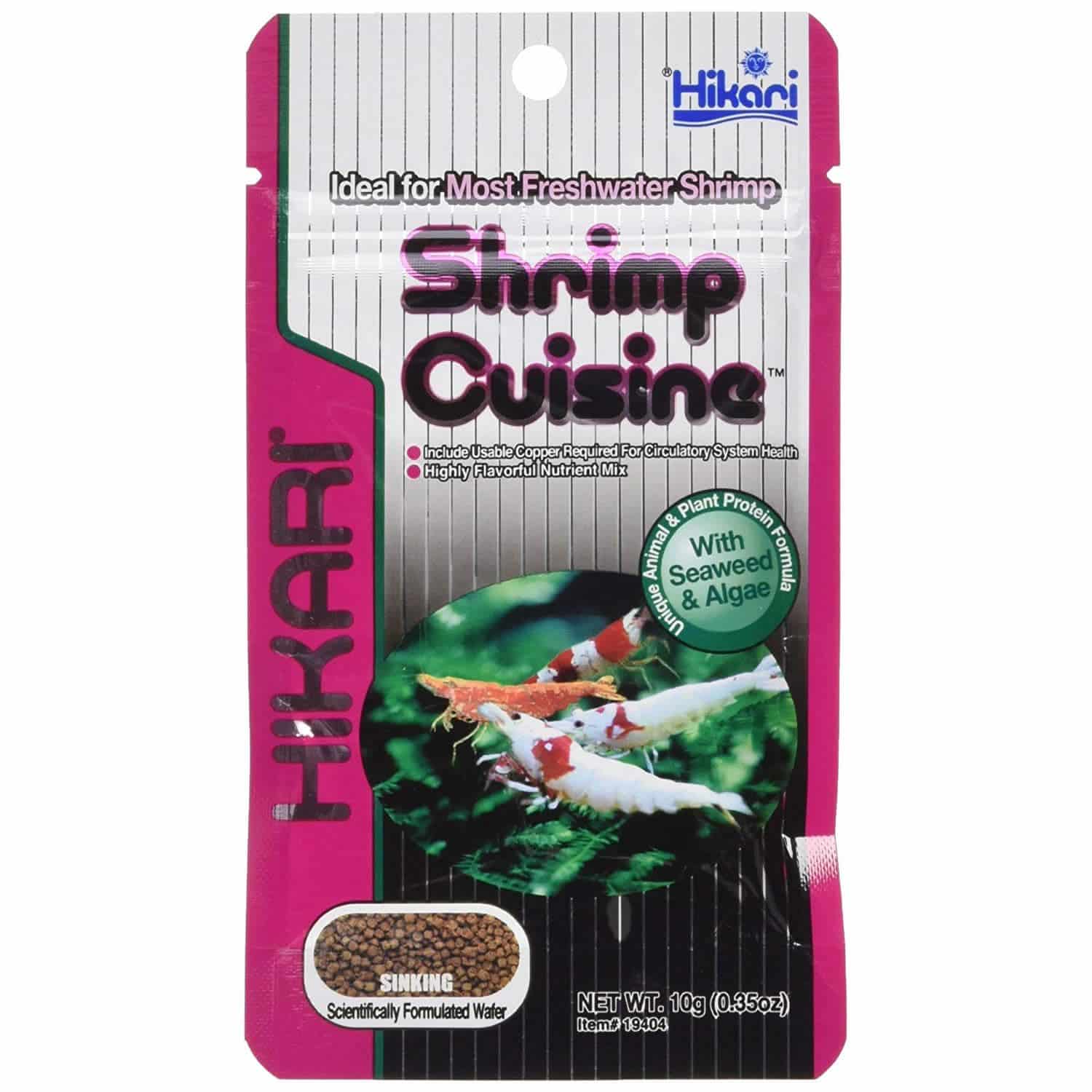
Hikari - Shrimp Food
Complete sinking food for grazing freshwater shrimp. This species can nibble the small granules gradually. Offer small portions alongside biofilm, distributed so all can reach food.
Check retailer for price0 retailers
Compare pricesSupplementary foods
No separate supplementary catalogue food sufficiently verified; follow variety and portions in the feeding section. No automatic mineral supplement.
Water testing and equipment
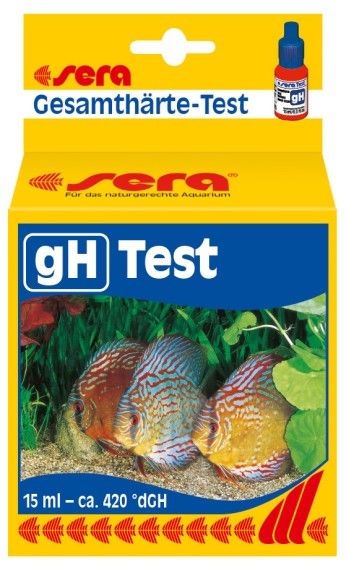
Sera - GH test
For checking a water parameter in this care guide. Follow the manufacturer’s test instructions; a test is not a treatment recommendation.
Check retailer for price0 retailers
Compare pricesPrices from the latest retailer update, excluding shipping. Check stock and delivery with the retailer.
Sources & review
This care guide draws on several specialist sources and was last checked on .