Java moss
Taxiphyllum barbieri

Java moss (Taxiphyllum barbieri) creates a fine branching green network on wood, rock and other suitable surfaces. It softens hard edges and offers small animals many places to hide or graze. The trade name Java moss is not unambiguous: different aquarium mosses are sold under it. This guide concerns Taxiphyllum barbieri. A CO₂ system is not compulsory, but accessible light, suitable nutrients and maintenance still matter. A thick clump can collect debris and turn brown inside. Start with a thin layer and trim regularly rather than allowing an increasingly opaque cushion to develop unchecked. Keep the attachment accessible for cleaning.
Plan your aquarium →At a glance
- Difficulty
- Easy
- Plant height
- 3–10 cm
- Growth rate
- Moderate
- Placement
- On wood or rock, Foreground
- Temperature
- 22–28 °C
- pH
- 5.0–9.0
- Light
- Low, Moderate
- CO₂
- Optional
- Nutrient uptake
- Through the water column
- Root fertilisation
- Not necessary
- Attachment
- Wood or rock
- Propagation
- Division, Fragmentation
About this plant
Taxiphyllum barbieri is a moss, not a conventional rooted aquarium plant. Fine branching shoots attach to surfaces; nutrient soil beneath the wood cannot replace accessible water nutrients. Java moss and Bogor moss are trade names. Confusion with Vesicularia occurs, so a shop name alone does not establish species identity. Keep scientific identification, image provenance and plant material linked.
Natural habitat
The species is associated with Southeast Asia and moist habitats. Attachment to aquarium wood and rock reflects its growth form without making every layout a geographical biotope for the fish. Submerged growth offers abundant surface for biofilm. This is useful structure, not a guarantee of complete nutrition for every animal grazing it.
Placement in the aquarium
Cultivation guidance is 22–28 °C and pH 5–9. Allow about 3–10 cm thickness for a maintained moss layer, not a fixed upright stem height. Attach thin patches to wood or rock with water movement between them. Use accessible foreground areas or branches. Avoid loose threads or loops that could entangle animals and check attachment as the moss settles.
Light
Low to moderate light suffices if it actually reaches the moss. A compact clump may die inside despite a brightly lit exterior. Floating and tall plants can add shade. A general start-up duration of 6 hours may increase to 8 hours when balanced. Stronger light without suitable nutrition and care does not prevent algae. No substantiated species-specific PAR threshold is supplied.
CO₂
CO₂ is optional. Java moss grows without injection; an existing system may change growth but is not a necessary purchase. Aim for a manageable layer instead of maximum speed. Prevent extra growth from becoming a clogged cushion. Do not respond to algae by indiscriminately adding liquid carbon or treatments; these products are not equivalent to gas injection.
Nutrition and fertilisation
Moss obtains useful nutrients from the surrounding water. Appropriate water-column fertilisation may help, based on all plants and existing inputs from feeding and maintenance. Macronutrients and trace elements play different roles; iron alone does not green every brown fragment. Fertiliser without nitrate and phosphate does not add them. Dose for actual needs, following instructions and considering sensitive animals.
Substrate and root feeding
Moss attached to wood or rock requires no nutrient soil. Root tablets are not primary advice because it is not a conventional root feeder. Choose sand or gravel for other inhabitants and plants. A stable clean attachment surface matters more. For a mat, use safe suitable material and avoid suffocating its underside. Keep it accessible for debris removal.
Growth and pruning
A branching cushion needs regular thinning. Use clean scissors and collect fragments, which may attach elsewhere. Gently remove debris without pulling away the entire layer. A brown centre with green outer shoots can indicate excessive density. Thin gradually, retaining healthy tips instead of removing all green growth at once.
Propagation
Divide healthy patches and attach them elsewhere. Small fragments may regrow, but choose a manageable portion that will not immediately vanish behind equipment. Spread thinly, provide light and water contact, and allow attachment. Moss need not root in a nutrient-filled pot. Inspect new material for unwanted hitchhikers and prevent fragments reaching outdoor waters.
Suitable fish and animals
Fine shoots shelter small fish, young animals and shrimp. Shrimp and some snails graze surfaces without the moss providing their complete diet. Debris and food can lodge between branches, requiring feeding checks. Large diggers may move loose mats and herbivores may damage them. Central relations consider water and habitat as well as shelter rather than approving combinations based on moss alone.

Cardinal tetra
Suitable with conditionsCover above and beside the calm cardinal school. Thinly attached moss gives fine shelter. Low to moderate light, no compulsory CO₂; keep debris and loose thread loops out. Shared profile: 24–27 °C; pH 6–7.
View species profile →
Zebra danio
Suitable with conditionsPrioritise danio swimming length; with moss use the warmer shared temperature. Thinly attached moss gives fine shelter. Low to moderate light, no compulsory CO₂; keep debris and loose thread loops out. Shared profile: 22–24 °C; pH 6.5–7.5.
View species profile →
Cherry barb
Suitable with conditionsSoft marginal cover for cherry barbs; no promise that scattered eggs survive. Thinly attached moss gives fine shelter. Low to moderate light, no compulsory CO₂; keep debris and loose thread loops out. Shared profile: 22–25 °C; pH 6–7.5.
View species profile →
Endler's livebearer
Suitable with conditionsSheltered margins for small Endlers in the selected harder water. Thinly attached moss gives fine shelter. Low to moderate light, no compulsory CO₂; keep debris and loose thread loops out. Shared profile: 24–27 °C; pH 7–8.
View species profile →
Panda cory
Suitable with conditionsKeep plenty of fine sand beside the plants for the panda group. Thinly attached moss gives fine shelter. Low to moderate light, no compulsory CO₂; keep debris and loose thread loops out. Shared profile: 22–24 °C; pH 6–7.2.
View species profile →
Chili rasbora
Suitable with conditionsFine shelter for tiny chilis with open patches to monitor microfood. Thinly attached moss gives fine shelter. Low to moderate light, no compulsory CO₂; keep debris and loose thread loops out. Shared profile: 24–26 °C; pH 5.5–6.8.
View species profile →
Cherry shrimp
SuitableJava moss offers finely branched grazing surfaces and juvenile refuges. It reduces encounters with fish without preventing predation.
View species profile →
Bee shrimp
SuitableJava moss offers finely branched grazing surfaces and juvenile refuges. It reduces encounters with fish without preventing predation.
View species profile →
Tiger shrimp
SuitableJava moss offers finely branched grazing surfaces and juvenile refuges. It reduces encounters with fish without preventing predation.
View species profile →
Amano shrimp
SuitableJava moss offers finely branched grazing surfaces and juvenile refuges. It reduces encounters with fish without preventing predation.
View species profile →Possible problems
Filamentous algae are difficult to remove from fine moss. Assess light, trapped debris and overall plant growth before choosing a treatment. A dense brown centre may need thinning and better water contact. Do not silently label uncertain material as Taxiphyllum barbieri or substitute another moss species in photographs. Healthy tips, clean maintenance and manageable thickness are practical checkpoints.
Care for this plant
Plant fertiliser
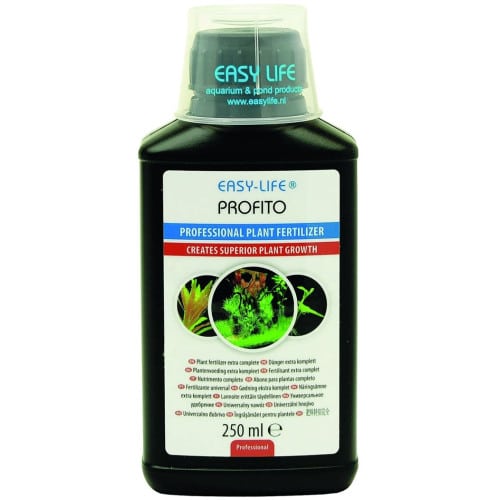
Easy Life ProFito 250ml
OptionalNutrients in surrounding water for moss on wood or rock. Dose for the whole tank; not a root tablet, and no nitrate or phosphate.
Check retailer for price0 retailers
View retailers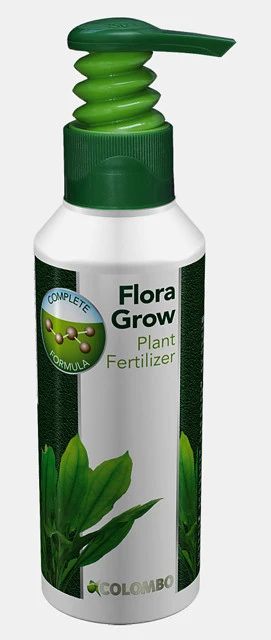
Flora grow 500ml
OptionalTaxiphyllum barbieri is a moss taking nutrients from the water. This 500 ml variant provides optional water-column nutrition; adjust dosing to growth and existing fertilisation.
Check retailer for price0 retailers
View retailers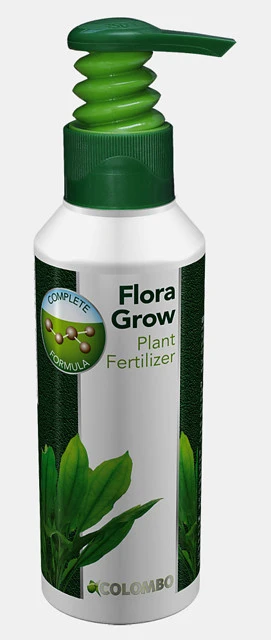
Flora grow 250ml
OptionalTaxiphyllum barbieri is a moss taking nutrients from the water. This 250 ml variant provides optional water-column nutrition; adjust dosing to growth and existing fertilisation.
Check retailer for price0 retailers
View retailers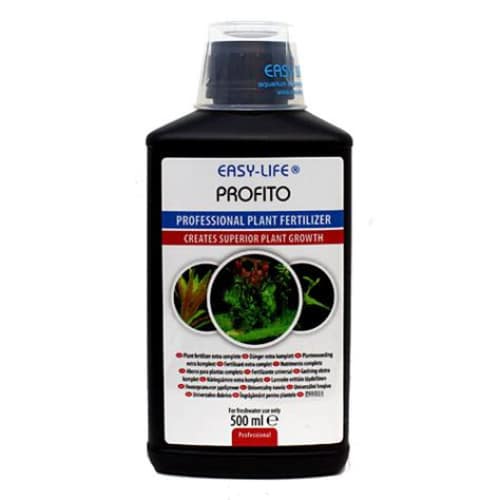
Easy Life ProFito 500ml
OptionalAn optional suitable product type; use according to manufacturer instructions and measured need.
Check retailer for price0 retailers
View retailersTools
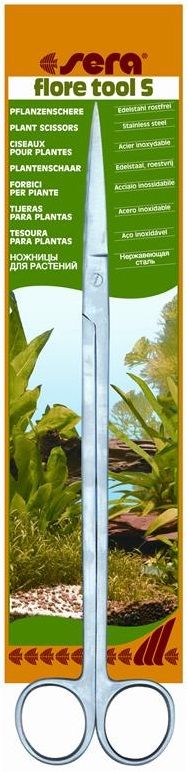
Sera Flore Tool S plantenschaar
OptionalScissors to thin the moss layer; collect fragments.
Check retailer for price0 retailers
View retailersPrices from the latest retailer update, excluding shipping. Check stock and delivery with the retailer.
Lighting has been investigated but is not yet linked: available specifications do not adequately establish light class and coverage at plant depth.
Sources & review
This care guide draws on several specialist sources and was last checked on .