Amano shrimp
Caridina multidentata

The Amano shrimp is a relatively large, active grazer, well known for feeding on growth in planted aquaria. Caridina multidentata remains an animal requiring its own care: adding Amano shrimp does not automatically make an aquarium healthy. Adults are usually harder for small fish to catch than dwarf shrimp, but still need cover and appropriate neighbours. Reproduction differs markedly from cherry shrimp. An egg-carrying female does not mean a new freshwater colony will establish itself. This guide therefore separates adult maintenance from the specialist task of raising larvae.
Plan your aquarium →At a glance
- Temperature
- 20–26 °C
- pH
- 6.5–8.0
- GH
- 5–20 °dGH
- KH
- 3–12 °dKH
- Difficulty
- Easy
- Diet
- Omnivore
- Plant safety
- Yes
- Aquarium length
- At least 60 cm
- Minimum aquarium volume
- At least 54 L
- Adult size
- Approximately 5–6 cm
- Group size
- At least 5 individuals
- Swimming zone
- Bottom
- Temperament
- Peaceful, May compete for food
- Cover
- Suitable plants, Wood
Figures are cautious husbandry guidance, not a full stocking calculation. Missing values are insufficiently supported. Read layout, water and pairing conditions together.
About this species
The body is translucent grey to brownish, with rows of dark dots or dashes along the sides. Females are generally larger, reaching about five to six centimetres; males remain smaller. Caridina japonica is the familiar older name, while Caridina multidentata is accepted today. Side markings, body shape and origin are more informative than the label algae eater. Small transparent shrimp in a mixed sales tank are not necessarily young Amanos. Confirm identity before assuming adult size or breeding method.
Natural habitat
The species is known from East Asian watercourses, including Japan. Its life cycle connects freshwater adult habitats with more saline conditions for larvae. This does not mean adult aquaria should routinely receive salt. Oxygenated water, varied grazing surfaces and a safe layout are practical priorities. Roots, stones and plant leaves create different feeding areas. Maintain circulation between them so food does not accumulate in inaccessible, poorly oxygenated corners.
Aquarium and layout
For a small group, start with a planted aquarium about 60 centimetres long and 54 litres or more; larger tanks offer more grazing and tankmate options. This does not guarantee every combination fits that volume. Keep several animals and distribute shelters. Amanos climb well: close equipment gaps without eliminating ventilation. Protected filter intakes help smaller animals. Secure large wood and rocks so maintenance or plant removal cannot destabilise them.
Water conditions
About 20–26 °C is a useful moderate maintenance range. Extremely broad tolerances in trade profiles are not daily targets. Slightly acidic to slightly alkaline water with measurable minerals may be appropriate, provided transitions are gradual. Check pH, GH and KH rather than temperature alone. Investigate recurring changes at the water source. Adding salt to stimulate breeding is not part of ordinary adult care in a freshwater community aquarium.
Behaviour and group size
Amanos are peaceful grazers but can be assertive around food. A large individual may carry a granule away. Spread food so smaller shrimp and quiet bottom dwellers are not excluded. Several visible animals searching actively do not prove every shrimp is receiving enough. Also observe beneath wood and among plants. An animal remaining hidden after moulting needs peace; repeatedly disturbing it to count the group is counterproductive.
Feeding
Soft growth and organic material are important, but not all algae are eaten equally. Offer suitable complete shrimp food when natural resources are insufficient and check consumption. Small portions are easier to adjust than a large daily ration. Safe plant-based supplements can add variety if removed in time. Never starve shrimp to force them to solve an algae problem. Excessive algae also require attention to lighting, nutrients, maintenance and plant growth.
Breeding
Females may carry many small eggs that release free-swimming larvae. Further development requires saline or brackish conditions and appropriately fine food. Transitions and rearing demand a separate, carefully managed system. No universal salt concentration or breeding recipe is given here because developmental stage and method matter. Keep adults in suitable freshwater. Eggs disappearing do not by themselves demonstrate a failure in adult husbandry.
Keeping with fish
Adult Amanos can often live with small peaceful fish under appropriate conditions. Large cichlids, dedicated hunters and fish pulling antennae are poor companions. Even large shrimp are less protected just after moulting. Larvae are also vulnerable to predation, although a fishless freshwater tank does not resolve their saline-development requirement. Ensure refuges and separately accessible food in each combination. Assess actual behaviour rather than relying solely on a fish’s reputation.
Keeping with other invertebrates
Amanos do not automatically produce hybrids with Neocaridina, but may compete with them for food. Give smaller shrimp fine refuges and dispersed feeding points. Peaceful snails may fit overlapping water conditions and sufficient growth. Fan shrimp need a different feeding route: their food must reach them in the current. Dwarf crayfish remain a risk around moulting and during encounters after dark. Two species being called peaceful is not enough to establish compatibility.
Exoskeleton, shell and minerals
Moulting renews the exoskeleton. The new shell is initially soft, making sheltered crevices and plants valuable. A discarded shell is usually no cause for alarm. Appropriate water and food supply minerals, but extra powders or drops are not automatically required. Investigate changes, diet and general conditions if moults repeatedly fail. Never try to pull a shrimp out of its old shell.
Possible problems
Check temperature, oxygen and water quality after sudden losses, and record recent additions. Newly established aquaria often lack sufficient natural feeding surfaces. Fish medication, snail treatments and algae products are not automatically safe for Amanos. Check the intended application, especially with copper-containing treatments. Colour change or a short resting period is not a diagnosis. Persistent problems warrant help from someone experienced with invertebrates, rather than several simultaneous treatments.
Keeping with other species

Neon tetra
Suitable with conditionsRisk to juvenilesAdult Amanos are larger than dwarf shrimp but vulnerable after moulting. Larvae also face predation and do not complete normal development in freshwater alone. Small neon tetras can eat newborn shrimp. Retain their own group and swimming space; moss reduces encounters without making young safe.
View species profile →
Pygmy cory
Suitable with conditionsRisk to juvenilesAdult Amanos are larger than dwarf shrimp but vulnerable after moulting. Larvae also face predation and do not complete normal development in freshwater alone. Pygmy corys share the substrate and feeding places. Quiet behaviour does not exclude taking tiny young; retain their group and separately accessible food.
View species profile →
Siamese fighting fish
Not recommendedRisk to juvenilesRisk to adultsAdult Amanos are larger than dwarf shrimp but vulnerable after moulting. Larvae also face predation and do not complete normal development in freshwater alone. A betta may deliberately hunt or pick at exposed parts. Individuals differ; dense plants and shells do not guarantee protection. Separation must be possible.
View species profile →
Freshwater angelfish
Not recommendedRisk to juvenilesRisk to adultsAdult Amanos are larger than dwarf shrimp but vulnerable after moulting. Larvae also face predation and do not complete normal development in freshwater alone. Adult angelfish are large and territorial and can seize smaller animals. Predation, picking and moulting vulnerability matter despite water overlap; their own large aquarium is still required.
View species profile →
Guppy
Suitable with conditionsRisk to juvenilesAdult Amanos are larger than dwarf shrimp but vulnerable after moulting. Larvae also face predation and do not complete normal development in freshwater alone. Guppies actively investigate small food and may take young shrimp. Consider harder water, stocking and feeding competition; adult survival does not establish safe juvenile recruitment.
View species profile →
Cherry shrimp
Suitable with conditionsAmanos can carry food away. Disperse portions and give dwarf shrimp fine cover; compare mineral ranges.
View species profile →
Zebra nerite
Suitable with conditionsDifferent body forms do not prevent food competition. Retain nerite growth and feed Amanos selectively; exact-snail GH/KH remain to be checked.
View species profile →Suitable plants

Dwarf Anubias
Sturdy Anubias leaves and roots provide grazing surfaces and shelter. Attach the rhizome rather than burying it.
- Light
- Low, Moderate
- CO₂
- CO₂ injection not needed

Java fern
Java fern on wood offers lasting leaves and cover. Keep the rhizome exposed and leave access for maintenance and feeding.
- Light
- Low, Moderate
- CO₂
- CO₂ injection not needed

Java moss
Java moss offers finely branched grazing surfaces and juvenile refuges. It reduces encounters with fish without preventing predation.
- Light
- Low, Moderate
- CO₂
- CO₂ injection not essential
Suitable products
Recommended staple foods
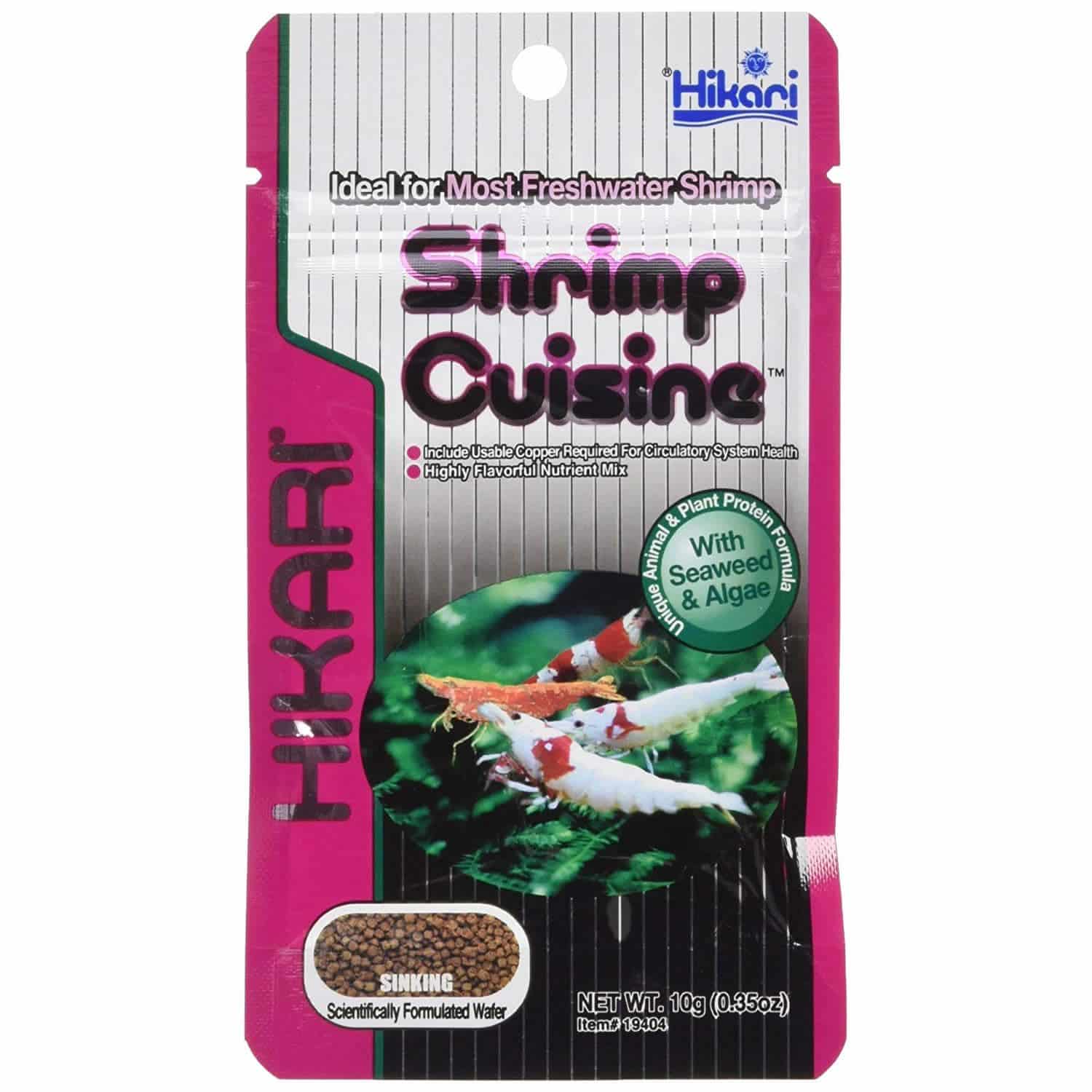
Hikari - Shrimp Food
Complete sinking food for grazing freshwater shrimp. This species can nibble the small granules gradually. Offer small portions alongside biofilm, distributed so all can reach food.
Check retailer for price0 retailers
View retailersSupplementary foods
No separate supplementary catalogue food sufficiently verified; follow variety and portions in the feeding section. No automatic mineral supplement.
Water testing and equipment
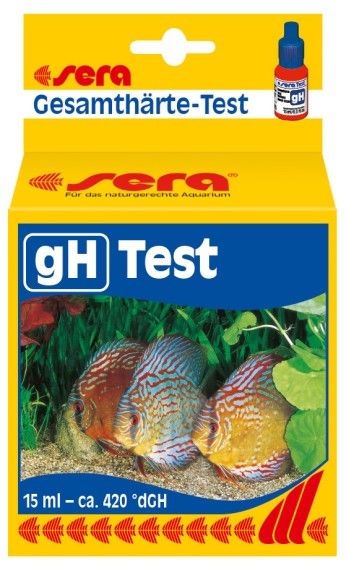
Sera - GH test
For checking a water parameter in this care guide. Follow the manufacturer’s test instructions; a test is not a treatment recommendation.
Check retailer for price0 retailers
View retailersPrices from the latest retailer update, excluding shipping. Check stock and delivery with the retailer.
Sources & review
This care guide draws on several specialist sources and was last checked on .