Freshwater angelfish
Pterophyllum scalare

An angelfish may look like a modest juvenile in a shop, but develops into a tall cichlid with extended fins and territorial behaviour. Pterophyllum scalare moves among vertical roots and plants and can eat small fish when adult. Its graceful swimming is therefore no proof that it belongs with every tetra. This Amazonian species primarily needs a large, tall, carefully structured aquarium. For ordinary group maintenance, plan at least six individuals with ample space and a way to intervene when pairs form. An arbitrary duo is not a safe substitute for social planning. Before purchase, assess adult height, floor area, group dynamics and companions. Starting with a small tank because young fish fit temporarily is the central mistake to avoid.
Plan your aquarium →At a glance
- Temperature
- 24–28 °C
- pH
- 6.0–7.0
- GH
- 3–12 °dGH
- Aquarium length
- At least 120 cm
- Minimum aquarium volume
- At least 360 L
- Adult size
- Approximately 15 cm
- Group size
- At least 6 individuals
- Swimming zone
- Middle
- Temperament
- Territorial, Predator
- Lighting preference
- Subdued lighting
- Cover
- Plants and sheltered areas
- Staple food
- Fine flakes
- Supplementary food
- Live food, Frozen food, Finely crumbled dried natural food
Group maintenance requires at least 120 cm length and 50 cm tank height. Our preferred starting plan is at least 120 × 50 × 60 cm, approximately 360 litres gross, with 150 cm and around 450 litres or more preferable. This volume recommendation describes a spacious layout for six fish, not an exact biological minimum or a guarantee of peaceful pairs.
About this species
Adults reach around 15 cm in body length and can exceed 20 cm in height including fins. Long-finned forms require additional clear height and safe decor. The laterally compressed body is characteristic; Pterophyllum altum and other relatives should not automatically receive identical care advice. The photograph shows a captive P. scalare form, not a verified wild locality variant.
Gold, marble and other colour patterns do not remove predatory or territorial behaviour. Sex is often difficult to establish reliably outside breeding, and fin shape alone is insufficient. Choose well-built fish without damaged fins or hollow bellies, and plan their final accommodation when purchasing juveniles.
Natural habitat
The species occurs across parts of the Amazon region in South America. Quiet river sections, sheltered margins and flooded structures provide vertical roots, branches and vegetation through which the tall body can manoeuvre. Conditions differ among populations, and an ornamental strain does not represent one specific locality. Aquarium priorities are height, broken sightlines and clear routes.
Use tall structures without reducing the tank to narrow crevices. Retain calm areas alongside effective gas exchange. Naturally dark or stained surroundings do not justify neglected maintenance. A group of large fish produces enough waste to require a deliberate filtration and water-change routine, rather than relying on the appearance of a natural layout.
Aquarium and layout
Group maintenance requires at least 120 cm length and 50 cm tank height. Our preferred starting plan is at least 120 × 50 × 60 cm, approximately 360 litres gross, with 150 cm and around 450 litres or more preferable. This volume recommendation describes a spacious layout for six fish, not an exact biological minimum or a guarantee of peaceful pairs. Provide tall plants or roots, several visual barriers and broad passages.
Low Cryptocoryne offers bottom cover but cannot replace tall structure. Use mature filtration, a lid and gentle output. Keep a separation option available for persistent aggression.
Water conditions
For daily care choose 24–28 °C, pH 6–7 and approximately 3–12 °dGH. Soft-water guidance mentions KH below about 4 °dKH; this requires stable preparation and monitoring rather than sudden acid dosing. Wild fish may have more specific requirements than ordinary captive forms.
Ammonia and nitrite should be undetectable. Regularly replace enough matched water for the group’s actual load and verify temperature with a thermometer. A tall tank and large volume cannot prevent local oxygen problems when filtration or maintenance is inadequate.
Behaviour and group size
Plan at least six for ordinary group keeping. Pairs may emerge and defend areas, sometimes placing serious pressure on the remaining fish. An established breeding pair in separate suitable accommodation is different from randomly keeping two fish together. Watch for individuals confined behind equipment or excluded from meals.
Small tetras and pygmy corys face predation, even if ignored when the angelfish were young. Long-finned bettas are also a poor choice. Assess larger companions through adult size and available space, and never treat a favourable card as a guarantee against individual behaviour.
Feeding
Use a complete tropical omnivore food containing suitable animal ingredients. Flakes or granules must fit the current mouth size: juveniles need finer particles than adults. Offer one or two controlled daily meals and ensure subordinate fish also eat. Small live or thawed invertebrates provide variety.
Dried Daphnia is a modest supplement, not a sufficient staple for this larger fish. Feeder fish are unnecessary. Use several feeding points if dominant individuals monopolise food, but do not attempt to solve persistent bullying by feeding more. Remove leftovers and avoid overloading filtration and water quality.
Breeding
An established pair may lay eggs on a vertical leaf, stone or wooden surface. Both parents can tend and defend the brood, reducing neighbours’ access to the territory. An initial clutch may be lost without requiring immediate intervention. A separate spacious, tall breeding setup is easier to manage than a busy community.
Once yolk is exhausted, free-swimming fry need suitably fine food, such as appropriate Artemia nauplii. Prepare adequate growing space: numerous young quickly create a substantial load. Reliable housing and destinations for offspring should precede encouraging further spawning.
Keeping with other species

Neon tetra
UnsuitableAdult angelfish may prey on small tetras; growing up together offers no assurance. Their size, required tank height and breeding territory also rule out a small neon aquarium. Similar water conditions do not remove predation risk.
View species profile →
Pygmy cory
UnsuitableAn adult angelfish can swallow this tiny catfish. Armour does not make it safe; extra litres do not remove predation risk.
View species profile →
Harlequin rasbora
Suitable with conditionsOnly full-grown, sufficiently large harlequins in a spacious angel setup, preferably 150 cm and around 450 litres. Juveniles face predation; assess both groups, feeding areas and territories.
View species profile →
Ember tetra
UnsuitableAn ember tetra fits an adult angelfish’s mouth. Calm juvenile angelfish do not predict a safe adult pairing.
View species profile →
Siamese fighting fish
UnsuitableSize, territory and conspicuous fins make this unsuitable. A quiet betta setup does not match an angelfish group’s space and social dynamics.
View species profile →
Ram cichlid
Suitable with conditionsOnly in a spacious plan, preferably 150 cm and around 450 litres, with distinct bottom territories and separation options. 27–28 °C, pH 6–7 and GH 3–6 overlap; both may defend broods.
View species profile →
Cardinal tetra
Not recommendedAngelfish may prey on small or slender cardinals. Growing up together does not establish permanent safety; extra length does not remove this risk.
View species profile →
Cherry shrimp
Not recommendedRisk to juvenilesRisk to adultsAdult dwarf shrimp may persist with quiet small fish; a species aquarium is safer for a breeding colony. Adult angelfish are large and territorial and can seize smaller animals. Predation, picking and moulting vulnerability matter despite water overlap; their own large aquarium is still required.
View species profile →
Bee shrimp
Not recommendedRisk to juvenilesRisk to adultsAdult dwarf shrimp may persist with quiet small fish; a species aquarium is safer for a breeding colony. Adult angelfish are large and territorial and can seize smaller animals. Predation, picking and moulting vulnerability matter despite water overlap; their own large aquarium is still required.
View species profile →
Tiger shrimp
Not recommendedRisk to juvenilesRisk to adultsAdult dwarf shrimp may persist with quiet small fish; a species aquarium is safer for a breeding colony. Adult angelfish are large and territorial and can seize smaller animals. Predation, picking and moulting vulnerability matter despite water overlap; their own large aquarium is still required.
View species profile →
Amano shrimp
Not recommendedRisk to juvenilesRisk to adultsAdult Amanos are larger than dwarf shrimp but vulnerable after moulting. Larvae also face predation and do not complete normal development in freshwater alone. Adult angelfish are large and territorial and can seize smaller animals. Predation, picking and moulting vulnerability matter despite water overlap; their own large aquarium is still required.
View species profile →
Bamboo shrimp
Not recommendedRisk to juvenilesRisk to adultsThis fan shrimp needs its own current perch and fine suspended food. Quiet fish must not intercept all food; protect fans, antennae and moulting animals. Adult angelfish are large and territorial and can seize smaller animals. Predation, picking and moulting vulnerability matter despite water overlap; their own large aquarium is still required.
View species profile →
African giant fan shrimp
Not recommendedRisk to juvenilesRisk to adultsThis fan shrimp needs its own current perch and fine suspended food. Quiet fish must not intercept all food; protect fans, antennae and moulting animals. Adult angelfish are large and territorial and can seize smaller animals. Predation, picking and moulting vulnerability matter despite water overlap; their own large aquarium is still required.
View species profile →
Horned nerite
Not recommendedRisk of injury to snailsA shell does not protect the extended foot and tentacles. End the combination after persistent withdrawal or injuries. Adult angelfish are large and territorial and can seize smaller animals. Predation, picking and moulting vulnerability matter despite water overlap; their own large aquarium is still required.
View species profile →
Zebra nerite
Not recommendedRisk of injury to snailsA shell does not protect the extended foot and tentacles. End the combination after persistent withdrawal or injuries. Adult angelfish are large and territorial and can seize smaller animals. Predation, picking and moulting vulnerability matter despite water overlap; their own large aquarium is still required.
View species profile →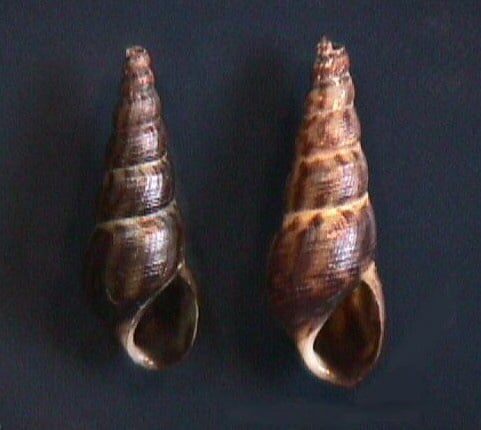
Malaysian trumpet snail
Not recommendedRisk of injury to snailsA shell does not protect the extended foot and tentacles. End the combination after persistent withdrawal or injuries. Adult angelfish are large and territorial and can seize smaller animals. Predation, picking and moulting vulnerability matter despite water overlap; their own large aquarium is still required.
View species profile →
Ramshorn snail
Not recommendedRisk of injury to snailsA shell does not protect the extended foot and tentacles. End the combination after persistent withdrawal or injuries. Adult angelfish are large and territorial and can seize smaller animals. Predation, picking and moulting vulnerability matter despite water overlap; their own large aquarium is still required.
View species profile →
Matano rabbit snail
UnsuitableRisk of injury to snailsA shell does not protect the extended foot and tentacles. End the combination after persistent withdrawal or injuries. Adult angelfish are large and territorial and can seize smaller animals. Predation, picking and moulting vulnerability matter despite water overlap; their own large aquarium is still required. The selected central husbandry ranges do not overlap sufficiently; do not force a compromise.
View species profile →Suitable plants

Java fern
Java fern mounted higher on wood helps break sightlines. Keep broad passages; it cannot replace required tank height.
- Light
- Low, Moderate
- CO₂
- CO₂ injection not needed

Green wendtii crypt
Low Cryptocoryne provides cover beneath tall roots at 24–28 °C. Adult angels still need additional tall structure.
- Light
- Low, Moderate
- CO₂
- CO₂ injection not essential
Suitable products
Recommended staple foods

Tetramin Bio Active Vlokken Fish food 100 ml
Complete flakes for adult omnivorous freshwater fish. Adjust particle size and check subordinate angels receive food.
Check retailer for price0 retailers
Compare pricesSupplementary foods
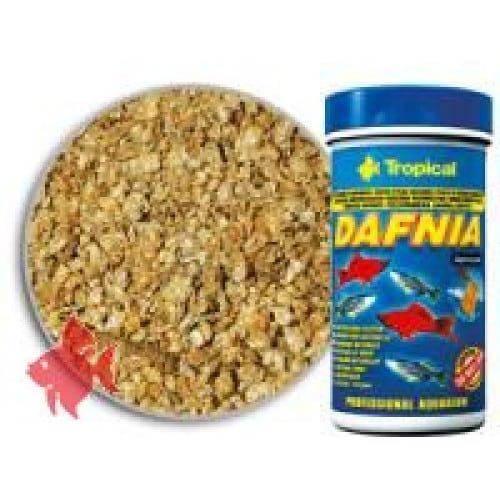
Tropical Dafnia 100ml
A small supplementary food for variety, insufficient as the staple diet of an adult angel.
Check retailer for price1 retailers
Compare pricesWater testing and equipment
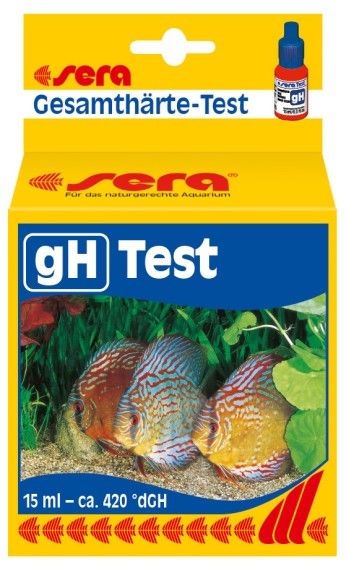
Sera - GH test
For checking a water parameter in this care guide. Follow the manufacturer’s test instructions; a test is not a treatment recommendation.
Check retailer for price0 retailers
Compare pricesPrices from the latest retailer update, excluding shipping. Check stock and delivery with the retailer.
Sources & review
This care guide draws on several specialist sources and was last checked on .