African giant fan shrimp
Atya gabonensis

The African giant fan shrimp looks imposing but gathers food with fine fans. Atya gabonensis is a peaceful filter feeder requiring more space and larger refuges than small grazing shrimp. Its popular blue colour is not equally pronounced in every animal or at every moment. A functional current perch, targeted fine food and a quiet environment matter most. Large size does not automatically protect it from intrusive fish or difficult moults. This guide covers the adult freshwater phase; specialist larval breeding is a separate challenge rather than a standard part of community aquarium keeping.
Plan your aquarium →At a glance
- Temperature
- 22–28 °C
- pH
- 6.5–8.5
- GH
- 6–25 °dGH
- KH
- 3–15 °dKH
- Difficulty
- Difficult
- Diet
- Filters small suspended food particles
- Plant safety
- Yes
- Aquarium length
- At least 80 cm
- Minimum aquarium volume
- At least 80 L
- Adult size
- Approximately 10–18 cm
- Swimming zone
- Bottom
- Temperament
- Peaceful
- Cover
- Wood, Caves and narrow shelters
Figures are cautious husbandry guidance, not a full stocking calculation. Missing values are insufficiently supported. Read layout, water and pairing conditions together.
About this species
The body is broad and robust, with strong walking legs for gripping. Adults can exceed ten centimetres, and care accounts report larger animals. Plan for adult size rather than the sales size of a juvenile. Blue, grey and brownish shades occur; a change alone does not prove disease or mineral deficiency. The specialised fans distinguish its feeding method from grasping long-arm shrimp. Check scientific identity and body structure when several large shrimp are offered together.
Natural habitat
The species is known from tropical Atlantic drainage systems, including West Africa. Flow and suitable substrate are important features. The aquarium need not reproduce a complete river but must deliver food past a secure perch and remain oxygenated. A pump blowing along the front glass may move plenty of water without giving the shrimp a useful feeding place. Combine local delivery with quieter refuges and avoid unstable rock piles.
Aquarium and layout
As a cautious starting point, provide at least about 80 centimetres and 80 litres, with more room for several large animals and other inhabitants. Volume alone is insufficient: an adult must turn, hide and reach food. Supply several spacious caves and stable perches near current. Check that a growing shrimp cannot become trapped. Close cable and hose gaps. Keep a route accessible for delivering small food portions without burdening the whole aquarium.
Water conditions
Warm maintenance around 22–28 °C is commonly described. Oxygen deserves particular attention towards the upper end. The central pH, GH and KH ranges guide stable conditions rather than inviting variation. Test replacement water and prepare it consistently. High conductivity has several possible causes, so no falsely precise TDS target is presented as a guarantee. Routine mineral dosing without measurement and an established need is not recommended.
Behaviour and group size
Despite its size, this shrimp is not an active fish hunter. It may initially remain hidden for long periods. Place secure cover close enough to a useful filtering perch. Several animals can be kept when feeding and suitable places are not scarce. Observe in the evening to determine whether hidden animals eat. Do not repeatedly move one to the front for display; quiet adjustment and undisturbed feeding matter more.
Feeding
Suitable small food particles must reach the fans. Targeted fine feeding is often needed because modern filters remove suspended material. Watch for open fans, capture and transfer to the mouth. Food eaten from the bottom by an Amano shrimp does not establish suitability here. Limit portions and check delivery to the correct place. Excess increases biological load without necessarily improving intake. Keeping dirty water is not a responsible feeding technique.
Breeding
Larval development is more complex than in Neocaridina. Young larvae need a saline or brackish phase while adults remain in their freshwater aquarium. Specialist breeding accounts report success, but do not provide a simple universal recipe. Adding salt to a community tank will not suddenly produce successful offspring. Leave egg-carrying females undisturbed and treat larval culture as a separate project requiring suitable knowledge and equipment.
Keeping with fish
Small peaceful fish may fit if they do not damage fans or antennae or intercept all offered particles. Territorial fish and large predators are poor choices even if they cannot swallow the shrimp whole. Much of its armour protection is lost during moulting. Ensure fish themselves suit the chosen current and temperature. Matching pH alone cannot guarantee a quiet, well-fed combination.
Keeping with other invertebrates
Peaceful snails and small grazing shrimp may share the tank without sharing the same feeding niche. They still require separate consideration when feeding. Combining with Atyopsis requires several fully functional filter-feeding places rather than competition for one branch beneath the outlet. Crayfish can attack limbs and newly moulted animals and are discouraged. Other invertebrates retain their own water and shelter needs. Prevent the largest species occupying every usable space under wood.
Exoskeleton, shell and minerals
A large shrimp needs a genuinely spacious, safe refuge when moulting. Leave it undisturbed and do not automatically remove a normally shed exoskeleton. Appropriate minerals in water and diet matter, but colour is not a calcium test. Unnecessary supplementation can itself alter water chemistry. Investigate maintenance history, measured conditions and nutrition if problems recur, rather than choosing a treatment based on colour.
Possible problems
Effective feeding is the central observation. Prolonged hiding, little filtering or persistent searching along the bottom call for assessment of the layout and food supply. Also check oxygen, pollution and neighbours. Fish medicines and copper-containing treatments are not automatically safe. Check their particular application and seek knowledgeable help when uncertain. Avoid several major simultaneous changes so the cause of improvement or deterioration remains identifiable.
Keeping with other species

Neon tetra
Suitable with conditionsRisk to juvenilesThis fan shrimp needs its own current perch and fine suspended food. Quiet fish must not intercept all food; protect fans, antennae and moulting animals. Small neon tetras can eat newborn shrimp. Retain their own group and swimming space; moss reduces encounters without making young safe.
View species profile →
Pygmy cory
Suitable with conditionsRisk to juvenilesThis fan shrimp needs its own current perch and fine suspended food. Quiet fish must not intercept all food; protect fans, antennae and moulting animals. Pygmy corys share the substrate and feeding places. Quiet behaviour does not exclude taking tiny young; retain their group and separately accessible food.
View species profile →
Siamese fighting fish
Not recommendedRisk to juvenilesRisk to adultsThis fan shrimp needs its own current perch and fine suspended food. Quiet fish must not intercept all food; protect fans, antennae and moulting animals. A betta may deliberately hunt or pick at exposed parts. Individuals differ; dense plants and shells do not guarantee protection. Separation must be possible.
View species profile →
Freshwater angelfish
Not recommendedRisk to juvenilesRisk to adultsThis fan shrimp needs its own current perch and fine suspended food. Quiet fish must not intercept all food; protect fans, antennae and moulting animals. Adult angelfish are large and territorial and can seize smaller animals. Predation, picking and moulting vulnerability matter despite water overlap; their own large aquarium is still required.
View species profile →
Guppy
Suitable with conditionsRisk to juvenilesThis fan shrimp needs its own current perch and fine suspended food. Quiet fish must not intercept all food; protect fans, antennae and moulting animals. Guppies actively investigate small food and may take young shrimp. Consider harder water, stocking and feeding competition; adult survival does not establish safe juvenile recruitment.
View species profile →
Bamboo shrimp
Suitable with conditionsBoth filter suspended food. Give each a working current perch, large shelters and targeted food; one outlet branch is insufficient.
View species profile →Suitable plants

Dwarf Anubias
Sturdy Anubias leaves and roots provide grazing surfaces and shelter. Attach the rhizome rather than burying it.
- Light
- Low, Moderate
- CO₂
- CO₂ injection not needed

Java fern
Java fern on wood offers lasting leaves and cover. Keep the rhizome exposed and leave access for maintenance and feeding.
- Light
- Low, Moderate
- CO₂
- CO₂ injection not needed

African water fern
Bolbitis attached to wood suits local current. Leave a firm bare branch for filtering; fern leaves do not replace suspended food.
- Light
- Moderate
- CO₂
- Recommended
Suitable products
Recommended staple foods
No existing product sufficiently verified as fine suspended food for this filter feeder. Ordinary sinking shrimp food is not a suitable substitute. Follow targeted feeding advice above.
Water testing and equipment
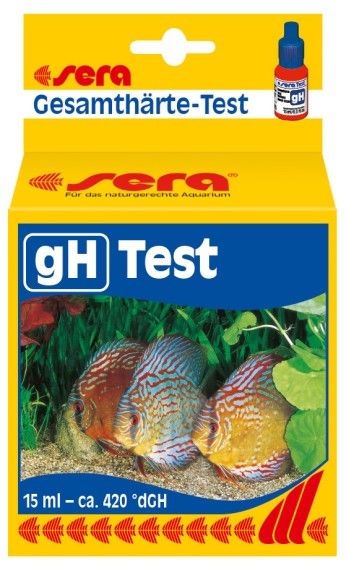
Sera - GH test
For checking a water parameter in this care guide. Follow the manufacturer’s test instructions; a test is not a treatment recommendation.
Check retailer for price0 retailers
View retailersPrices from the latest retailer update, excluding shipping. Check stock and delivery with the retailer.
Sources & review
This care guide draws on several specialist sources and was last checked on .