African water fern
Bolbitis heudelotii

The Congo fern (Bolbitis heudelotii) gives an aquarium a completely different character than a bunch of stem plants. The cut, dark green leaves appear almost transparent when light shines through. They grow from a creeping rhizome that attaches to wood or stone. This fern is suitable for those who want a permanent plant group and do not want to constantly replant shoot tips. That doesn't mean it can do without attention at all. Dirt between the leaves, a buried rhizome and suddenly a lot of light can cause problems. Choose a place with water movement along the leaves, without letting the fish swim against a hard stream all the time. The growth is slow; judge the health mainly by new leaves and the firmness of the rhizome.
Plan your aquarium →At a glance
- Difficulty
- Moderate
- Plant height
- 15–50 cm
- Growth rate
- Slow
- Placement
- Midground, On wood or rock
- Temperature
- 22–28 °C
- pH
- 5.0–7.0
- Light
- Moderate
- CO₂
- Recommended
- Nutrient uptake
- Through the water column
- Root fertilisation
- Not necessary
- Attachment
- Wood or rock
- Propagation
- Rhizome division
About this plant
The Congo fern is a real fern and does not produce flowers. The horizontal rhizome is the permanent growth axis, while roots serve mainly for attachment. Don't confuse it with more compact Bolbitis species: this guide is about the common species. Leaves can eventually become considerably larger than when purchased. The central range of 15–50 cm is therefore intended for space planning, not as a guarantee that every plant will reach the same size.
Natural habitat
The species comes from tropical and southern Africa. Botanical descriptions mention moist rocks near streams and waterfalls, often underwater. The name Congo fern therefore does not describe its complete distribution. In the aquarium we translate this into a solid surface, circulation and a moist to submerged growth environment. A strong pump is not a substitute for good water quality; accumulated sludge still needs to be removed carefully.
Placement in the aquarium
Loosely attach the rhizome to wood or stone in the center zone. Keep growing points accessible and leave room for older leaves. The rhizome belongs above the substrate; the roots are allowed to become stuck between cracks. For maintenance we use 22–28 °C and pH 5–7. Soft water fits well, but an exact GH limit is not sufficiently substantiated. Do not change water parameters abruptly just to please this plant.
Light
Medium light suits this fern, preferably without harsh direct irradiation of old leaves. Dennerle emphasizes a shaded location. The amount of light on the leaf also depends on wood, plants above and water depth. Start cautiously with the light duration and assess new growth. More light is not automatically better: a slowly growing leaf can easily become covered with algae if the balance is missing.
CO₂
CO₂ addition is recommended for vigorous, regular growth, but is not a requirement for keeping the species at all. In a quietly lit aquarium, growth may be slower without supply. Anyone who adds gas adjusts the installation to the entire aquarium and monitors the animals. Do not increase light, fertilization and CO₂ at the same time; then it is difficult to determine afterwards which change helped or caused damage.
Nutrition and fertilisation
Nutrients reach the plant through the surrounding water. Liquid feeding can be useful, especially in tanks with little supply of food and water changes. Potassium, nitrogen and phosphorus are different from trace elements. Check what a bottle actually contains: a trace element mixture is not a complete substitute for all macronutrients. Pale or damaged leaves do not in themselves prove iron deficiency; light, transition and water quality can also play a role.
Substrate and root feeding
A nutrient substrate is not necessary for a tied Congo fern. Root tablets under the stone are therefore not logical standard advice. Keep the rhizome free and check that binding material does not cut into the growing tissue. When the roots are firmly attached, temporary attachment can be removed. Carefully suck away dirt around the wood, without always pulling the plant loose or rearranging the entire aquarium.
Growth and pruning
Cut away damaged old leaves at their attachment point. Leave healthy young leaves and growing points intact. A fern does not react like a stem plant to halving a leaf: a cut leaf does not easily grow back nicely. Give new leaves time to unfurl. During maintenance, make sure there is room for flow and check places where dirt or algae remain between closely spaced leaves.
Propagation
Propagate by dividing a healthy, sufficiently large rhizome. Each part should retain usable roots, leaves and a growing point. Secure the parts individually and prevent them from disappearing under sand. Immediately dividing small, newly purchased plants into many pieces slows down the establishment. Spores are part of the biology of the fern, but rhizome division is the more practical and controllable method for the ordinary aquarium keeper.
Suitable fish and animals
Quiet small fish can use the leaves as cover without the plant having to fill up their swimming space. Neon tetras and ember tetras suit a well-organized tank within the shared water values. Provide open feeding space. Large herbivores can damage leaves and diggers can destabilize the load-bearing wood. An approved plant relationship says nothing about the mutual suitability or total stocking of all selected fish.

Neon tetra
Suitable with conditionsThe fern provides cover above the substrate. Attach the rhizome to wood outside the feeding area, retain shade for the fish and direct circulation along the leaves rather than strongly at the animals. Retain the neon tetra school and calm, shaded swimming space.
View species profile →
Pygmy cory
Suitable with conditionsThe fern provides cover above the substrate. Attach the rhizome to wood outside the feeding area, retain shade for the fish and direct circulation along the leaves rather than strongly at the animals. Pygmy corydoras also use the bottom: retain soft, open substrate for foraging and an accessible feeding area.
View species profile →
Ember tetra
Suitable with conditionsThe fern provides cover above the substrate. Attach the rhizome to wood outside the feeding area, retain shade for the fish and direct circulation along the leaves rather than strongly at the animals. Ember tetras need a school and calm sheltered zones; do not brightly illuminate the entire aquarium.
View species profile →
Bamboo shrimp
SuitableBolbitis attached to wood suits local current. Leave a firm bare branch for filtering; fern leaves do not replace suspended food.
View species profile →
African giant fan shrimp
SuitableBolbitis attached to wood suits local current. Leave a firm bare branch for filtering; fern leaves do not replace suspended food.
View species profile →Possible problems
A soft, darkening rhizome requires checking for burial and rot. Algae on older leaves first require research into light, dirt and maintenance, not immediately for additional fertilizer. During the transition, old leaves may decline while new ones are better adapted. Assess the entire plant and its progress over time. Remove dying material and keep conditions stable; Constantly moving makes the assessment more difficult.
Care for this plant
Plant fertiliser
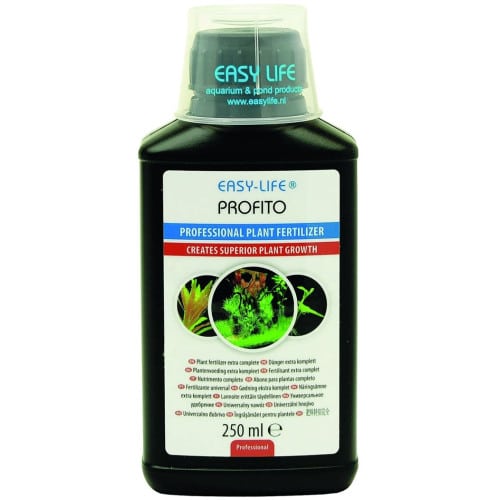
Easy Life ProFito 250ml
OptionalLiquid potassium and trace nutrients available through the water. Contains no nitrate or phosphate. Adapt supplementation to existing nutrients and plant growth; no automatic extra dosing.
Check retailer for price0 retailers
View retailers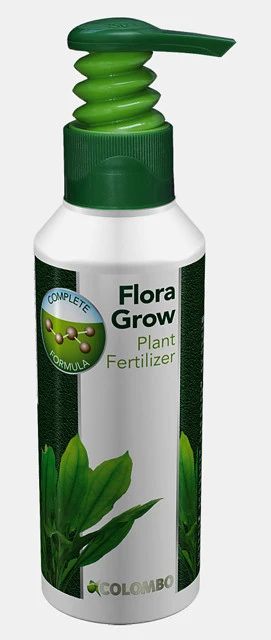
Flora grow 500ml
OptionalBolbitis heudelotii is a slow-growing attached fern. This 500 ml variant provides optional water-column nutrition; adjust dosing to growth and existing fertilisation.
Check retailer for price0 retailers
View retailers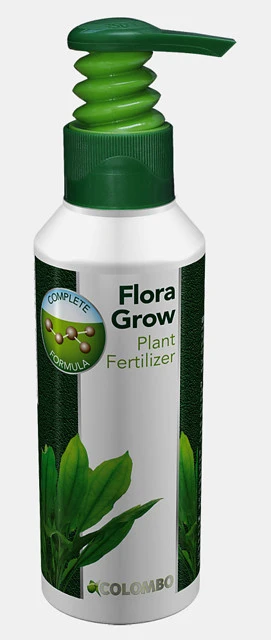
Flora grow 250ml
OptionalBolbitis heudelotii is a slow-growing attached fern. This 250 ml variant provides optional water-column nutrition; adjust dosing to growth and existing fertilisation.
Check retailer for price0 retailers
View retailers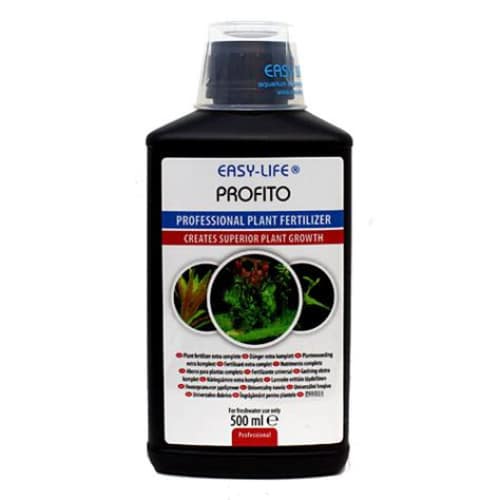
Easy Life ProFito 500ml
OptionalAn optional suitable product type; use according to manufacturer instructions and measured need.
Check retailer for price0 retailers
View retailersCO₂ equipment
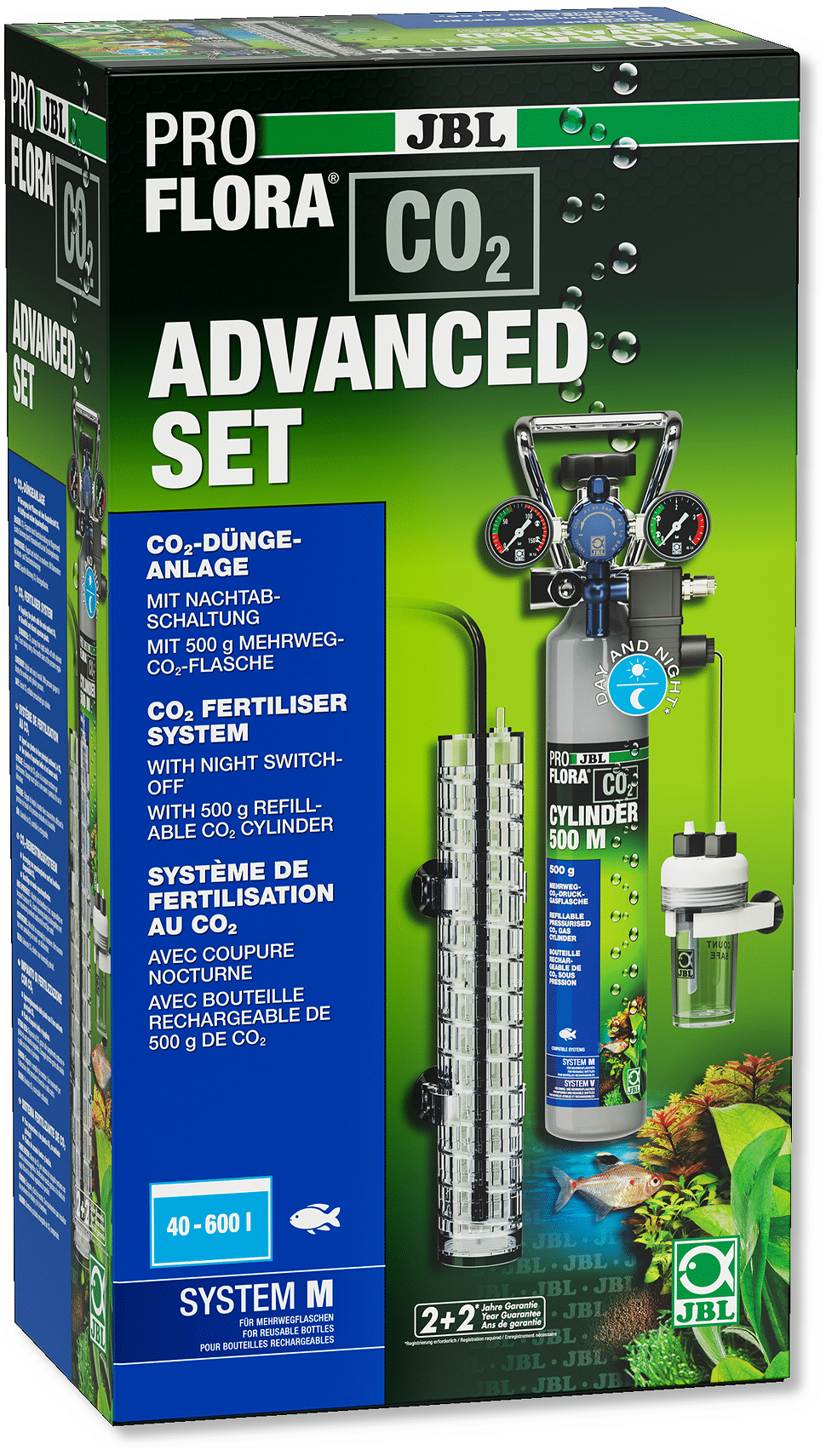
Jbl - Proflora CO2 Advanced Set M
RecommendedComplete gas CO₂ kit to support the recommended supply. Select only when tank volume and equipment are suitable; check livestock, circulation and safe dosing. Not universally mandatory.
Check retailer for price0 retailers
View retailersTools
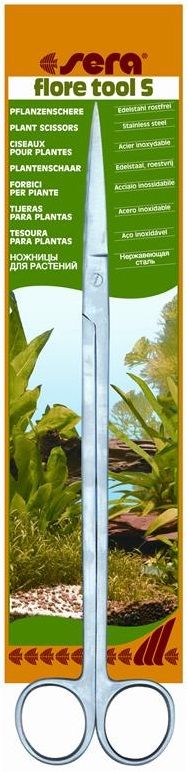
Sera Flore Tool S plantenschaar
OptionalOptional plant scissors for selective pruning or removing damaged parts. Protect growing points; gentle hand thinning is usually sufficient for floating plants.
Check retailer for price0 retailers
View retailersPrices from the latest retailer update, excluding shipping. Check stock and delivery with the retailer.
Lighting has been investigated but is not yet linked: available specifications do not adequately establish light class and coverage at plant depth.
Sources & review
This care guide draws on several specialist sources and was last checked on .