Ember tetra
Hyphessobrycon amandae

The ember tetra adds a warm orange glow to a quiet planted aquarium. Hyphessobrycon amandae remains around two centimetres long and is most rewarding when a sizeable group feels confident enough to leave cover. Small size does not make it suitable for every tiny container. A mature aquarium, very fine food and calm companions matter more than collecting many different species. The fish is known from Brazil’s Araguaia drainage, but its precise natural microhabitats are less thoroughly documented than many care charts imply. This guide therefore separates established information from practical aquarium choices. Keep at least ten, provide shade alongside open swimming space, and check at every meal that even the smallest individuals are actually swallowing enough food rather than merely approaching it.
Plan your aquarium →At a glance
- Temperature
- 23–26 °C
- pH
- 5.5–7.0
- GH
- 4–10 °dGH
- Aquarium length
- At least 60 cm
- Minimum aquarium volume
- At least 54 L
- Adult size
- Approximately 2 cm
- Group size
- At least 10 individuals
- Swimming zone
- Middle
- Temperament
- Peaceful
- Lighting preference
- Subdued lighting
- Cover
- Plants and sheltered areas
- Staple food
- Fine flakes
- Supplementary food
- Live food, Frozen food, Finely crumbled dried natural food
Choose at least 60 cm length and approximately 54 litres gross for a dedicated group. This deliberately exceeds some published lower limits and gives greater stability and feeding visibility.
About this species
Adults reach approximately 2 cm. Their transparent fins and orange to reddish body show well under gentle lighting. Pallor may follow transport or fright and is not a diagnosis by itself: also assess appetite, breathing and position within the group. Females are often fuller than males, but selecting breeders reliably requires mature fish.
Do not confuse this tiny species with larger red tetras sold under similar common names. Its small mouth remains a central care consideration. A food labelled for tropical fish is not automatically small enough. Watch individual particles being swallowed rather than judging suitability from the package or the fishes’ initial interest alone.
Natural habitat
The species was described from the Rio das Mortes within Brazil’s Araguaia drainage. Its full distribution and use of different microhabitats remain uncertain. Quiet side waters and vegetated margins are suggested in specialist care accounts, rather than established by a complete field inventory. Sheltered edges and room for a group are sensible aquarium applications of this information.
Use plants to create shade and safe passages without allowing an uncontrolled layer of waste to accumulate. A darker background and limited direct light reduce exposure. Extremely acidic water is not a requirement inferred solely from Brazilian origin, and a practical planted aquarium should not be presented as an exact recreation of an undocumented collection site.
Aquarium and layout
Choose at least 60 cm length and approximately 54 litres gross for a dedicated group. This deliberately exceeds some published lower limits and gives greater stability and feeding visibility. Prefer at least 80 cm with a second group. Plant the margins while retaining a calm open centre.
Fine substrate, small branches and a gentle filter outlet work well. Protect the intake: even adults are tiny. Stock only a fully mature aquarium, fit a lid and avoid sudden bright lighting. Nominal litres do not replace swimming length or assessment of the complete community.
Water conditions
Our practical maintenance selection is 23–26 °C, pH 5.5–7 and approximately 4–10 °dGH. Sources report wider temperature and hardness limits, but their extremes are not used to justify a warm-water cichlid pairing. No separate KH target is sufficiently established here; with low buffering, pH must still remain stable.
Maintain undetectable ammonia and nitrite and make regular, well-matched partial changes. Avoid abrupt transitions after purchase by checking the supplier’s conditions and adapting the transfer accordingly.
Behaviour and group size
Keep at least ten, preferably more where space permits. They do not school tightly all the time; quiet dispersed browsing among plants can be normal. Persistent hiding, clamped fins or poor feeding require checks of light, water and companions. Larger fish may treat embers as prey.
Even peaceful but faster species can monopolise food. Tiny shrimplets are not entirely protected from predation. Plants are not deliberately damaged. Assess combinations through calm behaviour, adult size and actual feeding opportunities rather than relying on the word peaceful.
Feeding
Choose a complete food that can be crumbled very finely. A standard flake becomes suitable only when each fish readily swallows the pieces; large granules are not made appropriate simply by eventually softening. Give one or two small daily meals and observe consumption. Suitable small live or thawed prey add variety.
Finely ground, optionally briefly soaked dried Daphnia is a supplement, not a complete staple. Distribute food in a calm area. Overfeeding to compensate for competition mostly increases pollution; change the companion arrangement if necessary.
Breeding
Ember tetras scatter eggs and provide no parental care. A fry may occasionally survive dense planting, but adults and companions eat many eggs and larvae. A quiet separate breeding setup with fine plants, protection from the adults and a sponge filter offers greater control. Use stable soft water without abrupt changes.
Newly feeding fry need infusoria or similarly suitable microscopic food; larger nauplii follow only when their mouths allow. Deliberate breeding often fails without prepared starter food. Large rations do not solve the problem of providing appropriately sized food.
Keeping with other species

Neon tetra
SuitableA small, peaceful tetra suited to 23–25 °C and soft, slightly acidic water. Keep eight to ten or more embers alongside a full neon group. Distribute fine food at several points so the smaller fish also eat.
View species profile →
Pygmy cory
SuitableSmall calm shoaling fish with limited predation risk. At least 80 cm for two groups of ten, 23–26 °C and pH 6.4–7; fine food at several levels.
View species profile →
Harlequin rasbora
Suitable with conditionsHarlequins are larger and quicker at meals. Use at least 80 cm, separate groups of ten or more and sheltered feeding spots; watch ember intake.
View species profile →
Siamese fighting fish
Not recommendedThe ember is tiny and may be hunted, while a betta may be unsettled by the group. Partial water overlap does not establish safe companionship.
View species profile →
Ram cichlid
Not recommendedHeat and territory make this a poor choice: rams 27–30 °C, embers here 23–26 °C. Tiny tetras should not face brood defence.
View species profile →
Freshwater angelfish
UnsuitableAn ember tetra fits an adult angelfish’s mouth. Calm juvenile angelfish do not predict a safe adult pairing.
View species profile →
Chili rasbora
SuitableSmall calm schools taking fine food can suit shared soft water. Keep enough of each species and check the smallest chilis at every feed. Shared profile: 24–26 °C; pH 5.5–6.8; GH 4–6. Layout recommendation: from 80 cm.
View species profile →Suitable plants

Dwarf Anubias
Low broad leaves create shaded retreats for tiny embers. Gentle lighting; keep the rhizome above the substrate.
- Light
- Low, Moderate
- CO₂
- CO₂ injection not needed

Green wendtii crypt
Dense low rosettes create safe margins for the small group. Suitable at 23–26 °C; retain open swimming and feeding areas.
- Light
- Low, Moderate
- CO₂
- CO₂ injection not essential

African water fern
The fern provides cover above the substrate. Attach the rhizome to wood outside the feeding area, retain shade for the fish and direct circulation along the leaves rather than strongly at the animals. Ember tetras need a school and calm sheltered zones; do not brightly illuminate the entire aquarium.
- Light
- Moderate
- CO₂
- Recommended

Dwarf hygrophila
A trimmed group at the rear provides shelter. Thin the fast growth before it fills the swimming area; allow light and circulation to reach the lower leaves. Ember tetras need a school and calm sheltered zones; do not brightly illuminate the entire aquarium.
- Light
- Low, Moderate
- CO₂
- CO₂ injection not needed

Roundleaf rotala
This pairing needs separate light zones: illuminate the Rotala while retaining shaded shelter and open swimming space for the fish. Trim before the stems form a closed canopy. Red colour is not required for healthy growth. Ember tetras need a school and calm sheltered zones; do not brightly illuminate the entire aquarium.
- Light
- Moderate, High
- CO₂
- CO₂ injection not essential

Creeping staurogyne
Low clumps add structure beneath the swimming area. Preserve an open feeding spot, let young roots establish, and provide stronger light locally while allowing the fish to retreat into shade. Ember tetras need a school and calm sheltered zones; do not brightly illuminate the entire aquarium.
- Light
- Moderate, High
- CO₂
- Recommended

Monte Carlo
The low carpet preserves swimming space above it but needs light at substrate level and regular thinning. Provide shade elsewhere and prevent food disappearing into a thick mat. Adjust CO₂ carefully with the animals in mind. Ember tetras need a school and calm sheltered zones; do not brightly illuminate the entire aquarium.
- Light
- Moderate, High
- CO₂
- Recommended

Red root floater
This floating plant provides overhead shade and root cover. Limit coverage to part of the surface, keep feeding areas open and prevent the filter outlet from submerging the leaves. Ember tetras need a school and calm sheltered zones; do not brightly illuminate the entire aquarium.
- Light
- Moderate, High
- CO₂
- CO₂ injection not needed
Suitable products
Recommended staple foods

Tetramin Bio Active Vlokken Fish food 100 ml
Use only very finely crushed for adult embers’ tiny mouths. Complete staple; observe each fish feeding.
Check retailer for price0 retailers
Compare pricesSupplementary foods
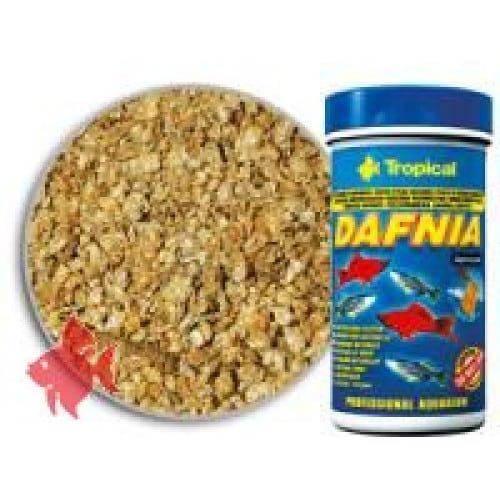
Tropical Dafnia 100ml
Grind very finely and briefly soak if needed for the tiny mouth. Supplement only, never the sole daily diet.
Check retailer for price1 retailers
Compare pricesWater testing and equipment
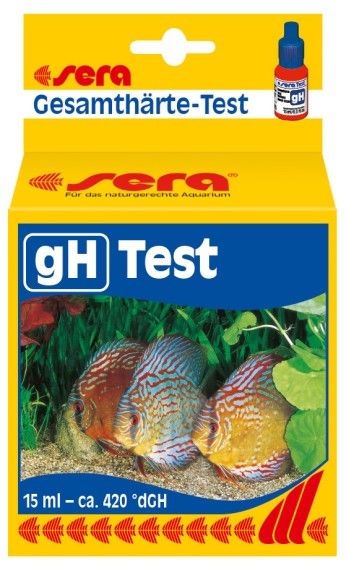
Sera - GH test
For checking a water parameter in this care guide. Follow the manufacturer’s test instructions; a test is not a treatment recommendation.
Check retailer for price0 retailers
Compare pricesPrices from the latest retailer update, excluding shipping. Check stock and delivery with the retailer.
Sources & review
This care guide draws on several specialist sources and was last checked on .