Dwarf hygrophila
Hygrophila polysperma

Dwarf hygrophila (Hygrophila polysperma) is an easy-growing stem plant that can quickly provide a new aquarium with a green background. The name says nothing about its origin: the species comes from Asia. Opposite leaves sit along branched stems, which, given enough space, form a dense bunch. The color is usually green, sometimes with warmer tones on well-exposed shoot tips. This guide is about the common species and not a variegated commercial form. The plant fits well in a simple aquarium without a CO₂ installation, but does require regular maintenance. Don't let it grow so densely that only bare stems remain at the bottom. The most important work is timely thinning, replanting healthy shoot tips and carefully collecting loose pieces. Small fragments can also sprout again.
Plan your aquarium →At a glance
- Difficulty
- Easy
- Plant height
- 25–50 cm
- Growth rate
- Fast
- Placement
- Background
- Temperature
- 18–28 °C
- pH
- 5.0–9.0
- Light
- Low, Moderate
- CO₂
- CO₂ injection not needed
- Nutrient uptake
- Through the water column
- Substrate
- Sand, Gravel, Aquasoil
- Propagation
- Cuttings
About this plant
The soft stems each bear a pair of leaves opposite each other. New side branches develop at the nodes, especially after the top has been pruned. Count on 25–50 cm for the layout, with the caveat that unpruned shoots will grow to the surface. The final shape is strongly determined by maintenance. A recently purchased bush is therefore not a reliable prediction of the space occupied by the adult group.
Natural habitat
Botanical sources place this species in southern and eastern Asia. It grows in wet and swampy conditions and can form leaves both under and above water. In the aquarium, this adaptability is especially practical: new underwater leaves may differ from the leaves with which the plant was delivered. This makes the species useful, but also easy to spread. Never allow prunings to end up in ditches, ponds or other outdoor waters.
Placement in the aquarium
Plant individual stems with some space in between along the back wall or one side. Remove the lower leaves from the part that goes into the soil and prevent a bunch that is tied together from rotting. The central care band is 18–28 °C and pH 5–9; that wide range makes large fluctuations undesirable. Choose stable values within that band that also suit the animals. Keep an open swim lane in front of the group.
Light
Low to medium light is usually sufficient for green growth. Under stronger light, shoot tips may color differently and the shape may become more compact, but the strain does not need to turn red to be healthy. Make sure that the light also reaches the lower leaves. When the top covers the entire surface, thinning out helps more than turning up the lamp. A reliable light match also requires data on tank depth and coverage.
CO₂
Added CO₂ is not necessary. This plant can grow well in a modestly lit aquarium without a gas installation. Extra CO₂ can accelerate growth and therefore also increase pruning and nutritional demand. Choose the maintenance level that suits the aquarium. Don't view rapid growth as a reason to dose more and more gas; fish need sufficient oxygen and a stable, safely adjusted installation when it is in use.
Nutrition and fertilisation
The fast-growing leaves and stems use nutrition from the water. A complete assessment includes main nutrients and trace elements, but not every liquid product contains both. For example, ProFito does not contain nitrate or phosphate. Only add separate nitrogen or phosphate nutrients when the existing supply and any shortages have been assessed. More fertilization without diagnosis can shift the problem. Look for new growth and monitor changes over multiple maintenance visits.
Substrate and root feeding
Roots hold the stems in place in sand, fine gravel or a suitable aquarium substrate. A nutrient substrate is not a mandatory requirement for this species. With good water nutrition, a healthy group does not need to be dug up to add root tablets. Use plenty of soil to secure stems, without burying pairs of leaves deeply. Be aware of bottom-dwelling fish that can loosen newly planted cuttings.
Growth and pruning
Cut back stems that are too long before they permanently overshadow other plants. Remove a section of closely spaced branches completely instead of just shaving the top flat. If the bottom parts are bare or worn, replace part with healthy shoot tips. Work in sections so the fish maintain cover. Remove pruning residue immediately and then check the filter inlet and surface for loose leaves.
Propagation
Propagation is easy with healthy stem cuttings. Choose a top with several pairs of leaves, remove lower leaves and plant it back individually. Healthy lower stems left behind can branch. Not every loose leaf needs to be cultivated consciously; collect fragments carefully to limit unwanted spread. Only share plants with the correct species name. Dispose of excess material with residual waste according to local waste regulations, never in natural water.
Suitable fish and animals
An open forest gives small fish such as neon tetras and ember tetras shelter at the edges without taking up all the swimming space. The plant is not a substitute for a sufficiently large group or suitable container length. Keep water movement and space between the stems to find food. Diggers can loosen cuttings and herbivores can damage tender leaves. Therefore, assess behavior in addition to the overlap in temperature and pH.

Neon tetra
Suitable with conditionsA trimmed group at the rear provides shelter. Thin the fast growth before it fills the swimming area; allow light and circulation to reach the lower leaves. Retain the neon tetra school and calm, shaded swimming space.
View species profile →
Ember tetra
Suitable with conditionsA trimmed group at the rear provides shelter. Thin the fast growth before it fills the swimming area; allow light and circulation to reach the lower leaves. Ember tetras need a school and calm sheltered zones; do not brightly illuminate the entire aquarium.
View species profile →
Zebra danio
Suitable with conditionsA trimmed group at the rear provides shelter. Thin the fast growth before it fills the swimming area; allow light and circulation to reach the lower leaves. Zebra danios remain active schooling fish: retain the existing minimum swimming length of 90 cm and do not let planting block it.
View species profile →Possible problems
Bare undersides often indicate shading or a population that is too dense, but can also be related to adaptation or nutrition. Remove rotting parts and improve the location first. Pale new leaves are not evidence of one specific deficiency; assess light, available nutrition and recent changes together. If growth becomes too rapid for the desired maintenance, limit the group or choose a slower variety instead of allowing the plant to suffocate each time.
Care for this plant
Plant fertiliser
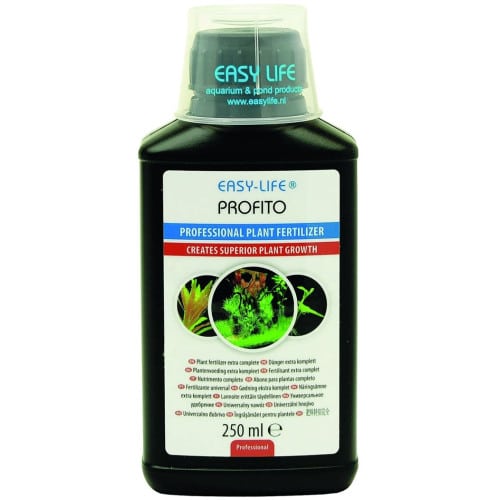
Easy Life ProFito 250ml
OptionalLiquid potassium and trace nutrients available through the water. Contains no nitrate or phosphate. Adapt supplementation to existing nutrients and plant growth; no automatic extra dosing.
Check retailer for price0 retailers
Compare prices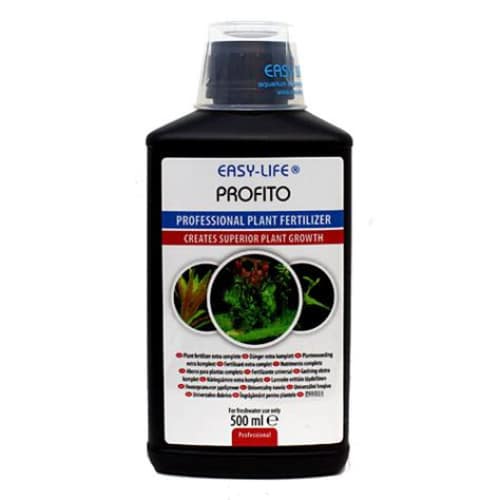
Easy Life ProFito 500ml
OptionalAn optional suitable product type; use according to manufacturer instructions and measured need.
Check retailer for price0 retailers
Compare pricesTools
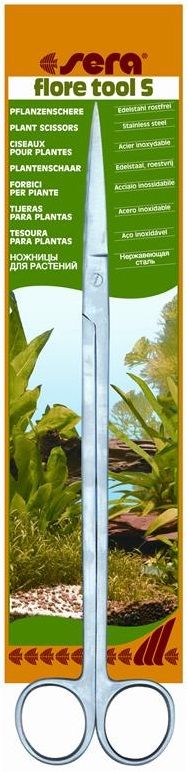
Sera Flore Tool S plantenschaar
OptionalOptional plant scissors for selective pruning or removing damaged parts. Protect growing points; gentle hand thinning is usually sufficient for floating plants.
Check retailer for price0 retailers
Compare pricesPrices from the latest retailer update, excluding shipping. Check stock and delivery with the retailer.
Lighting has been investigated but is not yet linked: available specifications do not adequately establish light class and coverage at plant depth.
Sources & review
This care guide draws on several specialist sources and was last checked on .