Pygmy cory
Gastrodermus pygmaeus

The pygmy cory is among the smallest armoured catfish, yet it is much more than a miniature bottom dweller. A confident group regularly swims between plants before settling on a leaf or branch. A dark longitudinal stripe marks its silver-grey body. Older books and shop labels call it Corydoras pygmaeus; its current name is Gastrodermus pygmaeus. This Brazilian fish needs a quiet, mature aquarium with gentle substrate and suitably fine food. Its small size makes food competition, boisterous neighbours and predators especially important. Do not buy a lone specimen as a cleaner: plan a group of at least ten. With targeted feeding and sheltered resting places, the fish become far more rewarding to observe than in a bare tank where they spend their time hiding.
Plan your aquarium →At a glance
- Temperature
- 22–26 °C
- pH
- 6.4–7.4
- GH
- 2–8 °dGH
- Aquarium length
- At least 60 cm
- Minimum aquarium volume
- At least 54 L
- Adult size
- Approximately 2–3 cm
- Group size
- At least 10 individuals
- Swimming zone
- Bottom, Middle
- Temperament
- Peaceful
- Lighting preference
- Subdued lighting
- Cover
- Plants and sheltered areas
- Staple food
- Sinking tablet, small portions
- Supplementary food
- Live food, Frozen food, Finely crumbled dried natural food
Use at least 60 cm length and roughly 54 litres gross for a dedicated group; prefer 80 cm or more when keeping two fish groups. Some specialist guidance allows less, but this conservative choice offers more feeding places and water stability.
About this species
Adults remain about 2–3 cm long, with females usually larger and fuller than males. Their barbels help locate small food particles, while bony plates protect the body. Armour does not prevent a larger fish from swallowing them. The continuous dark flank stripe distinguishes this species from Gastrodermus hastatus, which has a conspicuous tail marking.
Other dwarf cory species have different patterns and should not be mixed up. The move to Gastrodermus reflects modern catfish research rather than a new ornamental variety. Check both the label and the fish. Hollow bellies, damaged barbels or persistent isolation deserve investigation rather than an assumption that all small catfish behave this way.
Natural habitat
The species is recorded from the Madeira drainage in Brazil. Sheltered margins, small tributary waters and seasonally flooded structures bring fish into contact with roots, leaves and fine material. They also use the water above the bottom. Reproduce that useful structure with leaves at different heights and calm passages instead of an empty sand floor.
A wooded habitat is no reason to allow aquarium water to become dirty or oxygen-poor. Limit decomposing material and remove decaying leftovers. The practical aim is shelter, a gentle substrate and access to small prey, not a claim that this layout reproduces one precisely documented locality or a single pH shared by every population.
Aquarium and layout
Use at least 60 cm length and roughly 54 litres gross for a dedicated group; prefer 80 cm or more when keeping two fish groups. Some specialist guidance allows less, but this conservative choice offers more feeding places and water stability. Gross volume is not actual water volume or a combined stocking allowance. Provide fine, non-sharp sand, open feeding patches, wood and resting leaves.
Diffuse the filter outlet and protect its intake from small fish. Establish the aquarium fully before stocking. Clean patches of substrate without stripping all biofilm at once, keep the surface accessible and fit a lid.
Water conditions
Our maintenance selection is 22–26 °C, pH 6.4–7.4 and approximately 2–8 °dGH. Published hardness limits differ; these are cautious working values, not a reason to adjust the water chemically every day. No independently justified KH target is specified. Watch pH stability when buffering is low.
Ammonia and nitrite should be undetectable. Change water regularly using suitably prepared water at a matching temperature. An occasional dash to the surface can occur in corys, but repeated gasping across the group calls for an oxygen, temperature and water-quality check.
Behaviour and group size
Keep at least ten of the same species. Lone fish and tiny remnants of groups tend to be much less confident. They occupy both bottom and midwater, so even small tetras may compete with them for food. Observe actual feeding success.
Larger cichlids can swallow them; territorial bottom dwellers may monopolise resting places. Small peaceful companions require space and separate feeding areas. Plants are not deliberately destroyed. Very young shrimps may be eaten, so this is not a guaranteed shrimp-breeding combination.
Feeding
Use a complete food that breaks into tiny edible particles and reaches the fish. Place a small piece of sinking tablet deliberately; do not leave a whole tablet simply because it is labelled for bottom feeders. Check consumption and remove leftovers. Rotate suitable small live or thawed prey, such as Artemia nauplii, as supplements.
Dried Daphnia must be finely crumbled and, if needed, briefly soaked. Offer small portions at one or two daily feedings and several locations. Waste, algae and other fishes’ leftovers do not constitute a complete diet.
Breeding
Well-fed adults may deposit individual adhesive eggs on glass or plants. There is no parental care, and adults or companions can eat them. For deliberate breeding use a quiet separate setup with a sponge filter and mature water quality. Move eggs carefully or remove the adults.
The very small fry initially need microscopic food; offer larger nauplii only once they can swallow them. Keep the bottom clean through small, well-matched water changes. Sudden cold changes and preventive medication are not routine instructions in this guide.
Keeping with other species

Neon tetra
Suitable with conditionsSmall and peaceful, but shy and active in midwater too. Prefer at least ten; target-feed so neons do not take everything. Use 23–25 °C, pH 6.4–7 and sheltered resting places.
View species profile →
Harlequin rasbora
Suitable with conditionsPeaceful groups, but harlequins feed faster. At least 80 cm, ten of each, 23–26 °C and pH 6.4–7. Target-feed the corys.
View species profile →
Ember tetra
SuitableSmall calm shoaling fish with limited predation risk. At least 80 cm for two groups of ten, 23–26 °C and pH 6.4–7; fine food at several levels.
View species profile →
Siamese fighting fish
Not recommendedA betta may threaten or hunt the tiny cory. Midwater and feeding areas overlap, while preferred hardness only meets at a boundary. Prefer calmer companions.
View species profile →
Ram cichlid
Not recommendedThe ram’s 27–30 °C is above the cory’s chosen maintenance range. They also share the bottom, where breeding rams defend territory.
View species profile →
Freshwater angelfish
UnsuitableAn adult angelfish can swallow this tiny catfish. Armour does not make it safe; extra litres do not remove predation risk.
View species profile →
Cherry shrimp
Suitable with conditionsRisk to juvenilesRisk to adultsAdult dwarf shrimp may persist with quiet small fish; a species aquarium is safer for a breeding colony. Pygmy corys share the substrate and feeding places. Quiet behaviour does not exclude taking tiny young; retain their group and separately accessible food.
View species profile →
Bee shrimp
Suitable with conditionsRisk to juvenilesRisk to adultsAdult dwarf shrimp may persist with quiet small fish; a species aquarium is safer for a breeding colony. Pygmy corys share the substrate and feeding places. Quiet behaviour does not exclude taking tiny young; retain their group and separately accessible food.
View species profile →
Tiger shrimp
Suitable with conditionsRisk to juvenilesRisk to adultsAdult dwarf shrimp may persist with quiet small fish; a species aquarium is safer for a breeding colony. Pygmy corys share the substrate and feeding places. Quiet behaviour does not exclude taking tiny young; retain their group and separately accessible food.
View species profile →
Amano shrimp
Suitable with conditionsRisk to juvenilesAdult Amanos are larger than dwarf shrimp but vulnerable after moulting. Larvae also face predation and do not complete normal development in freshwater alone. Pygmy corys share the substrate and feeding places. Quiet behaviour does not exclude taking tiny young; retain their group and separately accessible food.
View species profile →
Bamboo shrimp
Suitable with conditionsRisk to juvenilesThis fan shrimp needs its own current perch and fine suspended food. Quiet fish must not intercept all food; protect fans, antennae and moulting animals. Pygmy corys share the substrate and feeding places. Quiet behaviour does not exclude taking tiny young; retain their group and separately accessible food.
View species profile →
African giant fan shrimp
Suitable with conditionsRisk to juvenilesThis fan shrimp needs its own current perch and fine suspended food. Quiet fish must not intercept all food; protect fans, antennae and moulting animals. Pygmy corys share the substrate and feeding places. Quiet behaviour does not exclude taking tiny young; retain their group and separately accessible food.
View species profile →
Horned nerite
SuitableA shell does not protect the extended foot and tentacles. End the combination after persistent withdrawal or injuries. Pygmy corys are not specialised shell-crushers, but share bottom space and food. Retain the fish group and ensure the snail can graze quietly.
View species profile →
Zebra nerite
SuitableA shell does not protect the extended foot and tentacles. End the combination after persistent withdrawal or injuries. Pygmy corys are not specialised shell-crushers, but share bottom space and food. Retain the fish group and ensure the snail can graze quietly.
View species profile →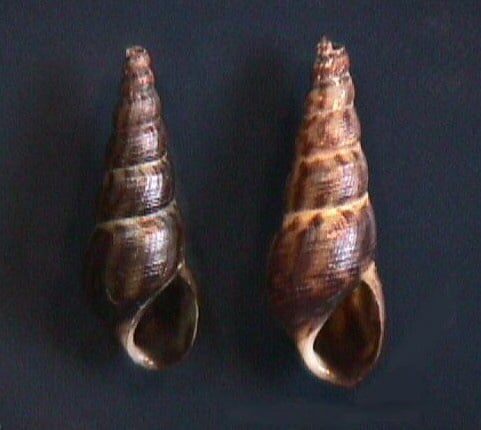
Malaysian trumpet snail
SuitableA shell does not protect the extended foot and tentacles. End the combination after persistent withdrawal or injuries. Pygmy corys are not specialised shell-crushers, but share bottom space and food. Retain the fish group and ensure the snail can graze quietly.
View species profile →
Ramshorn snail
SuitableA shell does not protect the extended foot and tentacles. End the combination after persistent withdrawal or injuries. Pygmy corys are not specialised shell-crushers, but share bottom space and food. Retain the fish group and ensure the snail can graze quietly.
View species profile →
Matano rabbit snail
UnsuitableA shell does not protect the extended foot and tentacles. End the combination after persistent withdrawal or injuries. Pygmy corys are not specialised shell-crushers, but share bottom space and food. Retain the fish group and ensure the snail can graze quietly. The selected central husbandry ranges do not overlap sufficiently; do not force a compromise.
View species profile →
Orange Mexican dwarf crayfish
Not recommendedRisk to adultsThe dwarf crayfish can grab resting or low-feeding fish and is itself vulnerable when moulting. Territories, separate caves and a closed lid matter; this is not a guaranteed fish-safe species. Tiny pygmy corys directly share the crayfish’s bottom territory. Food and resting encounters increase; peaceful fish are not automatically protected.
View species profile →Suitable plants

Dwarf Anubias
Broad leaves provide sheltered rests above fine sand. Low light, no essential CO₂; attach the rhizome to wood and keep feeding areas clear.
- Light
- Low, Moderate
- CO₂
- CO₂ injection not needed

Java fern
Java fern supplies resting leaves at several levels for this midwater and bottom fish. Attach rather than bury; retain open sand.
- Light
- Low, Moderate
- CO₂
- CO₂ injection not needed

African water fern
The fern provides cover above the substrate. Attach the rhizome to wood outside the feeding area, retain shade for the fish and direct circulation along the leaves rather than strongly at the animals. Pygmy corydoras also use the bottom: retain soft, open substrate for foraging and an accessible feeding area.
- Light
- Moderate
- CO₂
- Recommended

Amazon sword
Broad leaves provide cover, but the mature rosette can occupy considerable space. Use a spacious rear corner, preserve swimming length and an open feeding area, and account for mature leaf height. Pygmy corydoras also use the bottom: retain soft, open substrate for foraging and an accessible feeding area.
- Light
- Low, Moderate
- CO₂
- CO₂ injection not essential

Carolina bacopa
Firm stems provide cover along the edges. Plant loose groups with light reaching the base; keep the centre and bottom feeding area open. Use the shared temperature range rather than the warmest extremes. Pygmy corydoras also use the bottom: retain soft, open substrate for foraging and an accessible feeding area.
- Light
- Moderate, High
- CO₂
- CO₂ injection not essential

Creeping staurogyne
Low clumps add structure beneath the swimming area. Preserve an open feeding spot, let young roots establish, and provide stronger light locally while allowing the fish to retreat into shade. Pygmy corydoras also use the bottom: retain soft, open substrate for foraging and an accessible feeding area.
- Light
- Moderate, High
- CO₂
- Recommended

Monte Carlo
The low carpet preserves swimming space above it but needs light at substrate level and regular thinning. Provide shade elsewhere and prevent food disappearing into a thick mat. Adjust CO₂ carefully with the animals in mind. Pygmy corydoras also use the bottom: retain soft, open substrate for foraging and an accessible feeding area.
- Light
- Moderate, High
- CO₂
- Recommended
Suitable products
Recommended staple foods
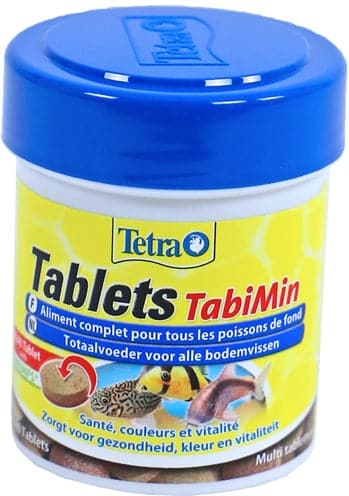
Tetra Tabimin Tabletten Fish food 120 st
Complete sinking staple: use a small piece that softens into edible particles. Place at several spots; do not leave a whole tablet to decay.
Check retailer for price0 retailers
Compare pricesSupplementary foods
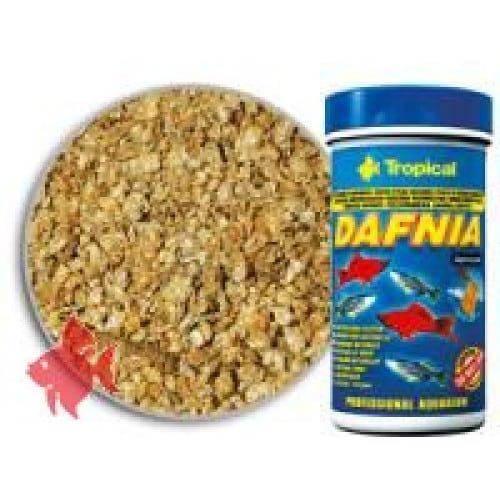
Tropical Dafnia 100ml
Finely crumble and briefly soak so particles reach the bottom. Variety alongside complete food only.
Check retailer for price1 retailers
Compare pricesWater testing and equipment
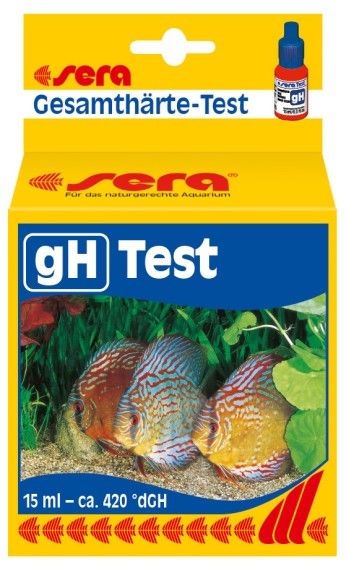
Sera - GH test
For checking a water parameter in this care guide. Follow the manufacturer’s test instructions; a test is not a treatment recommendation.
Check retailer for price0 retailers
Compare pricesPrices from the latest retailer update, excluding shipping. Check stock and delivery with the retailer.
Sources & review
This care guide draws on several specialist sources and was last checked on .