Bee shrimp
Caridina logemanni

Bee shrimp require a different approach from the more adaptable cherry shrimp. Caridina logemanni is a small soft-water grazer known for black-and-white and red-and-white cultivated forms. A stable soft-water setup matters more than adding as much equipment and treatment as possible. This species suits keepers who can measure water, prepare changes carefully and build a quiet colony. Juveniles readily disappear in community aquaria. This guide covers the biological species and recognisable bee selections; it does not automatically apply to every modern hybrid sold under a commercial Bee name. The photograph shows a red-and-white cultivated form.
Plan your aquarium →At a glance
- Temperature
- 20–24 °C
- pH
- 5.8–6.5
- GH
- 4–6 °dGH
- KH
- 0–1 °dKH
- Difficulty
- Difficult
- Diet
- Omnivore
- Plant safety
- Yes
- Minimum aquarium volume
- At least 30 L
- Adult size
- Approximately 2–3 cm
- Group size
- At least 10 individuals
- Swimming zone
- Bottom
- Temperament
- Peaceful
- Cover
- Suitable plants, Wood
Figures are cautious husbandry guidance, not a full stocking calculation. Missing values are insufficiently supported. Read layout, water and pairing conditions together.
About this species
The species was distinguished scientifically in 2014 during work on shrimp from southern China and Hong Kong. The older collective name Caridina cf. cantonensis is consequently not a precise current identification. Adults reach roughly two to three centimetres. Females are usually fuller-bodied and carry eggs underneath the abdomen. Pattern and white coverage are breeding traits, not measures of health or separate species. Ask about the line’s origin and any hybridisation: a commercial name alone is insufficient.
Natural habitat
Natural populations inhabit small streams in the Hong Kong region. The describing study reports soft water, but one measurement from a locality is not a universal aquarium recipe. Stable conditions, oxygen and plentiful grazing surfaces are useful maintenance principles. An aquarium need not reproduce an entire stream to provide these functions. Use wood, fine vegetation and sheltered surfaces. Avoid decorations that release substantial hardness unnoticed when the intended environment is soft water.
Aquarium and layout
A mature species aquarium from about 30 litres makes careful maintenance easier than a very small container. Begin with at least ten animals and protect the filter intake. If using active substrate, understand how it affects pH and KH and how this changes with age. It neither replaces testing nor is automatically necessary for every water source. Provide refuges that remain accessible without dismantling the entire layout during maintenance. Fine moss offers sheltered grazing for juveniles.
Water conditions
For the selected cultivated forms, the conservative soft-water range is about 20–24 °C, pH 5.8–6.5, GH 4–6 and KH 0–1. These are maintenance guidelines based on specialist breeding experience, not proven boundaries for every population. Low carbonate buffering makes stability particularly important. Discuss moves from different breeding conditions with the supplier. Unprepared reverse-osmosis water does not automatically contain everything required; equally, do not routinely add salts to water already suitable. No exact TDS target is specified.
Behaviour and group size
Bee shrimp graze quietly across the aquarium. A secure group is easier to observe than individuals continually avoiding fish. Avoid unnecessary moves of egg-carrying females and excessive substrate disturbance. Colonies benefit from continuity: do not simultaneously replace substrate, filter, food and water source when something goes wrong. As numbers increase, assess usable surface area as well as litres. A sponge filter can provide both a safe intake and additional feeding surface.
Feeding
Grazing on microorganisms, algae and organic material should be supported by suitable complete dwarf-shrimp food. Small portions at several points are easier to monitor than a large pile. Feeding only protein-rich fish food is not a balanced approach. Suitable leaves provide variety and surfaces but do not replace attention to diet. Use powdered juvenile food sparingly: a barely visible excess can still burden the water. Observe actual consumption before offering more.
Breeding
Eggs develop underneath the abdomen and produce small shrimp that remain in freshwater. Reproduction may be regular under suitable conditions, but success varies with line, age and maintenance. Several weeks is a more useful incubation description than a guaranteed date. Protect juveniles from filter intakes and tankmates. Caridina logemanni can be crossed with related aquarium lines. Keep species and selections separate when maintaining identity matters, and do not sell mixed offspring as a pure line.
Keeping with fish
Fish that ignore adult bee shrimp may eat almost all their young. Many community fish also do not fit the cool, very soft maintenance conditions selected here. Assess both predation and water chemistry. Even small fish can suppress a colony through persistent picking. The linked cards assess individual combinations; they are not a list of fish to add together. A fishless aquarium remains the clearest choice for predictable juvenile survival.
Keeping with other invertebrates
Combining a soft-water colony with snails requiring more minerals and less acidic water is often unhelpful. Do not let the wish for extra cleaners dictate water chemistry. Tiger shrimp may interbreed with bee lines, while their chosen maintenance ranges are not automatically identical. Large Amano shrimp are not specialised predators but can displace bee shrimp at food. Crayfish do not belong in a quiet breeding colony. Use the actual species relationships rather than broad labels such as shrimp-safe.
Exoskeleton, shell and minerals
Even in soft water, shrimp must rebuild an exoskeleton. Low KH does not mean GH or dietary minerals are unimportant. Prepare replacement water consistently and give freshly moulted animals peace. Shed exoskeletons may be eaten. Recurrent problems require investigation of changes and loading; an extra mineral product is not a proven universal remedy. Avoid rapidly correcting hardness in an attempt to help one animal.
Possible problems
Heat peaks, inadequate oxygen and sudden changes deserve attention. Keep the tank out of direct sunlight and check temperature during hot weather. Colour changes alone do not establish a diagnosis. Fish medicines and algae treatments are not automatically suitable, particularly when copper ingredients or their intended use are uncertain. Seek knowledgeable help for repeated illness and record water measurements, recent changes and the course of events rather than trying several treatments.
Keeping with other species

Neon tetra
Suitable with conditionsRisk to juvenilesRisk to adultsAdult dwarf shrimp may persist with quiet small fish; a species aquarium is safer for a breeding colony. Small neon tetras can eat newborn shrimp. Retain their own group and swimming space; moss reduces encounters without making young safe.
View species profile →
Pygmy cory
Suitable with conditionsRisk to juvenilesRisk to adultsAdult dwarf shrimp may persist with quiet small fish; a species aquarium is safer for a breeding colony. Pygmy corys share the substrate and feeding places. Quiet behaviour does not exclude taking tiny young; retain their group and separately accessible food.
View species profile →
Siamese fighting fish
UnsuitableRisk to juvenilesRisk to adultsAdult dwarf shrimp may persist with quiet small fish; a species aquarium is safer for a breeding colony. A betta may deliberately hunt or pick at exposed parts. Individuals differ; dense plants and shells do not guarantee protection. Separation must be possible. The selected central husbandry ranges do not overlap sufficiently; do not force a compromise.
View species profile →
Freshwater angelfish
Not recommendedRisk to juvenilesRisk to adultsAdult dwarf shrimp may persist with quiet small fish; a species aquarium is safer for a breeding colony. Adult angelfish are large and territorial and can seize smaller animals. Predation, picking and moulting vulnerability matter despite water overlap; their own large aquarium is still required.
View species profile →
Guppy
UnsuitableRisk to juvenilesRisk to adultsAdult dwarf shrimp may persist with quiet small fish; a species aquarium is safer for a breeding colony. Guppies actively investigate small food and may take young shrimp. Consider harder water, stocking and feeding competition; adult survival does not establish safe juvenile recruitment. The selected central husbandry ranges do not overlap sufficiently; do not force a compromise.
View species profile →
Tiger shrimp
Not recommendedRelated Caridina may cross; separate them to retain pure lines. Selected KH and pH profiles also offer little shared margin.
View species profile →
Horned nerite
UnsuitableAcidic, nearly KH-free bee-shrimp water does not overlap the chosen snail ranges. Do not force a mineral compromise for an extra grazer.
View species profile →
Matano rabbit snail
UnsuitableThe warm alkaline Matano setup does not match cooler acidic bee-shrimp care. Freshwater alone is no basis for combining them.
View species profile →Suitable plants

Dwarf Anubias
Sturdy Anubias leaves and roots provide grazing surfaces and shelter. Attach the rhizome rather than burying it.
- Light
- Low, Moderate
- CO₂
- CO₂ injection not needed

Java fern
Java fern on wood offers lasting leaves and cover. Keep the rhizome exposed and leave access for maintenance and feeding.
- Light
- Low, Moderate
- CO₂
- CO₂ injection not needed

Java moss
Java moss offers finely branched grazing surfaces and juvenile refuges. It reduces encounters with fish without preventing predation.
- Light
- Low, Moderate
- CO₂
- CO₂ injection not essential
Suitable products
Recommended staple foods
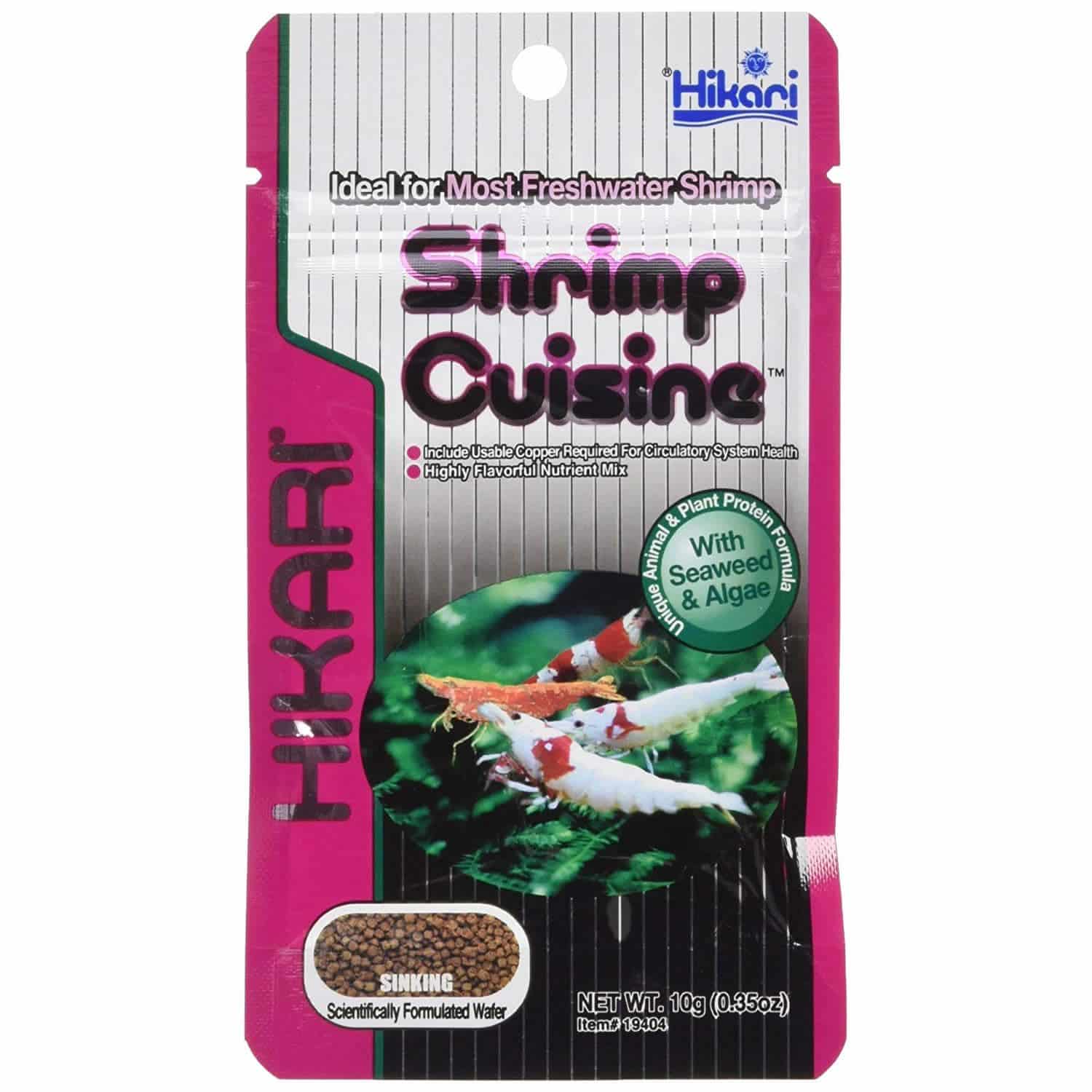
Hikari - Shrimp Food
Complete sinking food for grazing freshwater shrimp. This species can nibble the small granules gradually. Offer small portions alongside biofilm, distributed so all can reach food.
Check retailer for price0 retailers
Compare pricesSupplementary foods
No separate supplementary catalogue food sufficiently verified; follow variety and portions in the feeding section. No automatic mineral supplement.
Water testing and equipment
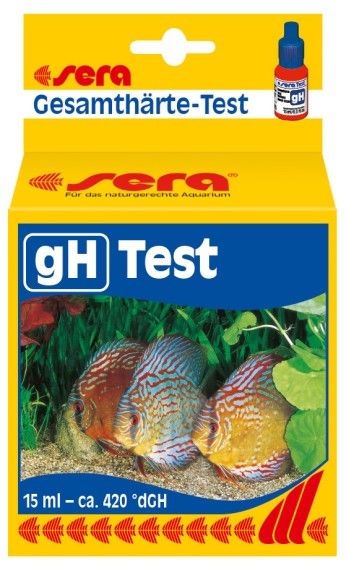
Sera - GH test
For checking a water parameter in this care guide. Follow the manufacturer’s test instructions; a test is not a treatment recommendation.
Check retailer for price0 retailers
Compare pricesPrices from the latest retailer update, excluding shipping. Check stock and delivery with the retailer.
Sources & review
This care guide draws on several specialist sources and was last checked on .