Orange Mexican dwarf crayfish
Cambarellus patzcuarensis

The orange Mexican dwarf crayfish is small but still has claws, territorial behaviour and vulnerable moults. The familiar CPO is an orange cultivated form of Cambarellus patzcuarensis. It is not a miniature trouble-free shrimp and does not automatically belong with every nano fish or shrimp colony. A well-structured aquarium with individual refuges makes its behaviour rewarding to observe. Keepers combining it with other animals must be able to separate them if grabbing or persistent aggression occurs. This guide takes a cautious approach: small size can reduce a risk without turning it into a guarantee.
Plan your aquarium →At a glance
- Temperature
- 20–25 °C
- pH
- 7.0–8.0
- GH
- 6–20 °dGH
- KH
- 3–20 °dKH
- Difficulty
- Moderate
- Diet
- Omnivore
- Plant safety
- With caution
- Aquarium length
- At least 60 cm
- Minimum aquarium volume
- At least 54 L
- Adult size
- Approximately 4–5 cm
- Swimming zone
- Bottom
- Temperament
- Territorial, May compete for food, May eat shrimp
- Cover
- Caves and narrow shelters, Wood
Figures are cautious husbandry guidance, not a full stocking calculation. Missing values are insufficiently supported. Read layout, water and pairing conditions together.
About this species
Adults usually reach about four to five centimetres, with females potentially more robust. Orange is a selected colour, not the only appearance of the natural species. CPO denotes this cultivated form rather than a separate scientific species. Check identity: larger American crayfish are not equivalent pets. Regulation also differs by species. The consulted Dutch Union-list summary does not name this Cambarellus, but that says nothing about other crayfish or future changes.
Natural habitat
The species is associated with Lake Pátzcuaro in Mexico. Field and aquarium observations describe a small bottom-dwelling crayfish using shelter and feeding places. Varied ground structure is more useful than copying a locality superficially. Wood, leaves and secure refuges interrupt sight lines. Use aquarium-safe materials without sharp unstable stacks. Never release crayfish, eggs, occupied aquarium water or plant trimmings carrying animals into outdoor waters.
Aquarium and layout
About 60 centimetres and 54 litres are a cautious starting point for a small stocking; several animals and tankmates need more ground space. A tall narrow tank of the same volume is not equivalent. Give each animal more than one usable refuge, escape routes and broken sight lines. Close gaps around hoses and cables because crayfish climb. Secure decorations. A hiding animal must still reach food without passing a dominant neighbour.
Water conditions
Around 20–25 °C is a cautious moderate maintenance range. Permanent high temperature is not automatically beneficial. Neutral to slightly alkaline water with minerals is commonly advised; measure GH and KH alongside pH. The central ranges are husbandry guidance, not proven limits for every population. Match replacement water carefully. Do not abruptly correct hardness because one moult failed. No precise TDS or calcium target is invented without species-specific support.
Behaviour and group size
Dwarf crayfish may approach, displace or threaten each other with raised claws. A mandatory social minimum is not established; keeping several is a stocking choice rather than a welfare guarantee. Males, egg-carrying females and freshly moulted animals may require different space. Watch each individual and separate persistent attacks. Compared with large crayfish, this species is generally less destructive to plants, but movement and foraging may disturb delicate growth. Anchor young plants.
Feeding
This omnivore needs a varied diet, with suitable complete crayfish food as a practical staple. Offer small sinking portions that can be grasped and carried to shelter. Plant material and appropriate supplements add variety without replacing a balanced staple. Distribute feeding points so animals need not fight over one pile. Remove leftovers and check hidden individuals receive food. Crayfish are not a disposal method for dead fish or chronic overfeeding.
Breeding
After mating, females carry eggs underneath the abdomen. Development takes several weeks and produces small crayfish that initially remain with the mother. No saltwater larval phase is necessary. Supply refuges at different scales so young can enter spaces inaccessible to adults. Cannibalism can occur, especially with insufficient space, food or safe moulting places. Many hatchlings therefore do not necessarily mean successful rearing. Avoid unnecessary relocation of carrying females and crowding around their refuge.
Keeping with fish
Even a small crayfish may grab fish resting or feeding nearby. Bottom dwellers and long-finned fish deserve particular caution. Fast-swimming fish higher in the tank reduce encounters without removing risk. Conversely, large or territorial fish may injure the crayfish, especially when soft. Use the cards as species-specific risk assessments and keep alternative accommodation available. Temperature or pH overlap alone cannot justify a favourable judgement.
Keeping with other invertebrates
Dwarf shrimp and juveniles may be caught, so a CPO is not a safe addition to a shrimp breeding colony. Snail feet and tentacles may be injured. Mixing crayfish species is unwise because of aggression and possible disease transfer. Conspecifics can also attack around moulting. Plenty of caves reduces encounters without eliminating risk. Manage different origins carefully during acclimation and seek knowledgeable help for illness rather than moving animals between tanks.
Exoskeleton, shell and minerals
During moulting the old exoskeleton is left behind, and the crayfish is temporarily soft. An otherwise quiet neighbour may then be dangerous. Provide several individual shelters and leave the animal undisturbed. Suitable diet and water support shell formation, but extra calcium is no automatic remedy. Investigate recent changes and loading first. Never pull limbs or shell. Shed material may be eaten; inspect carefully before removing it as a presumed dead animal.
Possible problems
Escape, tankmate injuries and losses around moulting are important concerns. Check the lid, water quality and stocking when problems occur. Crayfish may carry pathogens without obvious signs; never release them or mix different crayfish indiscriminately. Fish medicines and copper-containing treatments are not automatically suitable. This guide provides no remote prescription. Repeated losses need knowledgeable assessment with origin, maintenance, measured conditions and the sequence of symptoms recorded.
Keeping with other species

Neon tetra
Not recommendedRisk to adultsThe dwarf crayfish can grab resting or low-feeding fish and is itself vulnerable when moulting. Territories, separate caves and a closed lid matter; this is not a guaranteed fish-safe species. Neon tetras also rest low in the tank. Grabbing and night-time encounters outweigh water overlap for this small fish.
View species profile →
Pygmy cory
Not recommendedRisk to adultsThe dwarf crayfish can grab resting or low-feeding fish and is itself vulnerable when moulting. Territories, separate caves and a closed lid matter; this is not a guaranteed fish-safe species. Tiny pygmy corys directly share the crayfish’s bottom territory. Food and resting encounters increase; peaceful fish are not automatically protected.
View species profile →
Siamese fighting fish
Not recommendedRisk to adultsThe dwarf crayfish can grab resting or low-feeding fish and is itself vulnerable when moulting. Territories, separate caves and a closed lid matter; this is not a guaranteed fish-safe species. Long betta fins and resting places within claw reach are unfavourable. A territorial betta can in turn attack a soft crayfish.
View species profile →
Guppy
Not recommendedRisk to adultsThe dwarf crayfish can grab resting or low-feeding fish and is itself vulnerable when moulting. Territories, separate caves and a closed lid matter; this is not a guaranteed fish-safe species. Long-finned guppies can be grabbed while resting or feeding low. Matching harder water does not remove that physical risk.
View species profile →
Zebra danio
Suitable with conditionsRisk to adultsThe dwarf crayfish can grab resting or low-feeding fish and is itself vulnerable when moulting. Territories, separate caves and a closed lid matter; this is not a guaranteed fish-safe species. Zebra danios mainly use open water but also visit food on the bottom. Retain their own group and at least 90 cm length; speed does not prevent grabbing a resting fish.
View species profile →
Cherry shrimp
Not recommendedRisk to juvenilesRisk to adultsSmall shrimp, especially young, can be caught. Caves and moss reduce encounters without protecting a breeding colony.
View species profile →
Ramshorn snail
Not recommendedRisk to adultsRisk of injury to snailsThe crayfish may seize feet or tentacles and damage small snails. An intact shell does not prove a successful combination.
View species profile →
Matano rabbit snail
UnsuitableRisk to adultsRisk of injury to snailsBesides grabbing risk, selected temperatures do not match: a warm Matano tank is not a CPO setup. Protect the snail’s foot; keep separately.
View species profile →Suitable plants

Dwarf Anubias
Sturdy Anubias leaves and roots provide grazing surfaces and shelter. Attach the rhizome rather than burying it. Anchor new plants; burrowing or movement may dislodge loose roots.
- Light
- Low, Moderate
- CO₂
- CO₂ injection not needed

Java fern
Java fern on wood offers lasting leaves and cover. Keep the rhizome exposed and leave access for maintenance and feeding. Anchor new plants; burrowing or movement may dislodge loose roots.
- Light
- Low, Moderate
- CO₂
- CO₂ injection not needed

Green wendtii crypt
The Cryptocoryne wendtii rosette shelters the substrate. Let roots establish and retain an open feeding route alongside it. Anchor new plants; burrowing or movement may dislodge loose roots.
- Light
- Low, Moderate
- CO₂
- CO₂ injection not essential
Suitable products
Recommended staple foods
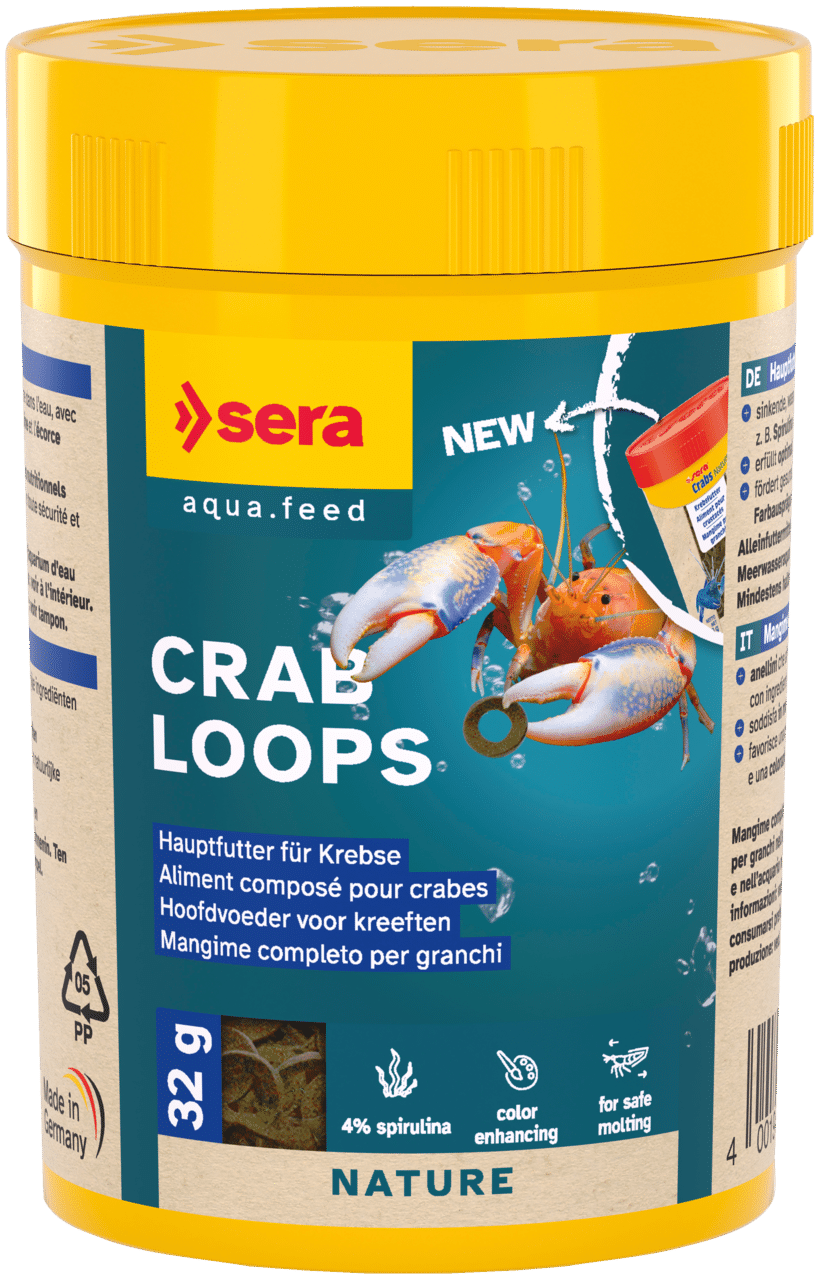
Sera - Crab Loops 100ml (voorheen Sera Crabs Natural)
Complete sinking crayfish food in graspable rings, suited to omnivorous CPOs. Distribute small portions between feeding places and remove leftovers. This match does not imply a need for a separate calcium supplement.
Check retailer for price0 retailers
View retailersSupplementary foods
No separate supplementary catalogue food sufficiently verified; follow variety and portions in the feeding section. No automatic mineral supplement.
Water testing and equipment
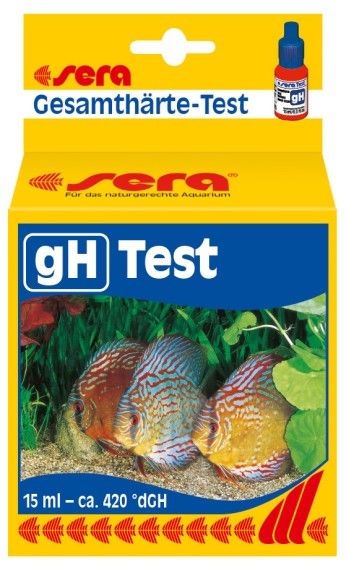
Sera - GH test
For checking a water parameter in this care guide. Follow the manufacturer’s test instructions; a test is not a treatment recommendation.
Check retailer for price0 retailers
View retailersPrices from the latest retailer update, excluding shipping. Check stock and delivery with the retailer.
Sources & review
This care guide draws on several specialist sources and was last checked on .