Cherry shrimp
Neocaridina davidi

The cherry shrimp is a small freshwater grazer that is constantly exploring plants and other surfaces. Its familiar red colour is a cultivated form of Neocaridina davidi, a species also kept in many other colours. Choose it as an animal with its own needs, not as a substitute for maintenance. A mature aquarium, natural growth and stable water matter more than a collection of additives. A species aquarium is the clearest choice for a visible breeding colony. In a community aquarium, adults may survive while almost every newborn is eaten. The compatibility cards explicitly distinguish these risks.
Plan your aquarium →At a glance
- Temperature
- 20–24 °C
- pH
- 6.5–7.5
- GH
- 6–15 °dGH
- KH
- 4–10 °dKH
- Difficulty
- Easy
- Diet
- Omnivore
- Plant safety
- Yes
- Minimum aquarium volume
- At least 30 L
- Adult size
- Approximately 2–3 cm
- Group size
- At least 10 individuals
- Swimming zone
- Bottom
- Temperament
- Peaceful
- Cover
- Suitable plants, Wood
Figures are cautious husbandry guidance, not a full stocking calculation. Missing values are insufficiently supported. Read layout, water and pairing conditions together.
About this species
Adults usually measure around two to three centimetres. Females tend to be larger and more strongly coloured, although colour alone does not identify sex. A saddle behind the head and later eggs underneath the abdomen are normal reproductive features. Red Cherry, Sakura and Fire Red describe commercial colour selections, not separate species. Neocaridina heteropoda is an older name still found on labels and photographs. The photograph shows a red cultivated form; an unidentified red shrimp cannot be identified from colour alone.
Natural habitat
The species originates in East Asia and has also established populations elsewhere. The bright red aquarium form does not represent a separate natural habitat. The useful practical approach is to provide planted surfaces, small refuges and continuous opportunities to graze. A bare tank with only a feeding dish lacks these functions. Wood, moss and older plant leaves offer different grazing surfaces. Never release aquarium animals into ponds, streams or other outdoor waters.
Aquarium and layout
Prefer a tank of at least 30 litres and a starting group of about ten. This is a practical choice for shrimp and water stability, not permission to add a school of fish. Protect filter intakes or use a sponge filter. Leave an accessible feeding area rather than covering the entire substrate with moss. Secure wood and allow room for maintenance. A fitted lid reduces escape opportunities. Check that new plants are suitable for shrimp; a brief rinse does not establish safety after an unknown treatment.
Water conditions
Around 20–24 °C provides a useful moderate starting point. This species generally tolerates more mineral content than bee shrimp, but that is no reason to allow fluctuations. Measure pH, GH and KH in both tank and replacement water, and ask about the breeder’s conditions. Use the overview as a maintenance range. Do not chase an exact TDS figure: conductivity cannot identify the dissolved substances. Match replacement water carefully and investigate the cause of changes before adding several corrective products.
Behaviour and group size
A group grazes across plants, wood and substrate rather than schooling together. Hiding after a move may reflect adjustment, but also check whether fish are hunting or blocking food. Colonies can expand quickly with abundant feeding. Assess numbers, grazing area and biological load together. Handle maintenance materials carefully: tiny shrimp hide in moss, sponges and cut stems. Check siphoned water before discarding it.
Feeding
Biofilm includes more than visible algae and supplies an important part of the grazing diet. Supplement with small portions of suitable complete shrimp food instead of waiting until every surface looks bare. Distribute food so one large animal cannot monopolise it. Suitable pesticide-free dried leaves provide additional grazing surfaces, but are neither complete food nor an obligatory water treatment. Remove uneaten supplements before they impair water quality. Adjust feeding to the colony and natural food availability, not solely to a fixed package schedule.
Breeding
After mating, the female carries eggs beneath her abdomen. Development takes several weeks and depends partly on temperature; neither a fixed date nor a guaranteed number of offspring is justified. The young emerge as small, independently grazing shrimp and need no saltwater phase. Fine refuges, protected filter intakes and accessible growth are important. Mix colour selections only if preserving the colour line does not matter: offspring will not necessarily retain both parents’ colour quality.
Keeping with fish
Small tetras may leave adult cherry shrimp alone yet pick off newborns. Small bottom-dwelling fish do not automatically make a tank safe for young either. Bettas and larger cichlids may also threaten adults. Decide whether the priority is a mixed display or a breeding colony. Moss reduces encounters but cannot guarantee protection from predation. End a combination if shrimp continually disappear or cannot feed peacefully; matching temperature and pH alone is insufficient.
Keeping with other invertebrates
Peaceful snails may be suitable if their water requirements overlap and both receive enough food. Amano shrimp can carry food away, so spread feeding points and watch the smallest animals. Dwarf crayfish are not an obvious partner: claws and vulnerable moults create risks. Different Neocaridina colour forms belong to the same species and may interbreed. Soft-water Caridina also require an actual assessment of water conditions rather than a compromise unsuitable for both species.
Exoskeleton, shell and minerals
Moulting exposes a new, temporarily soft exoskeleton. An empty translucent shell is therefore not necessarily a dead shrimp. Leave the animal undisturbed among plants or wood while it hardens. Minerals are obtained through water and food; do not add calcium simply because one moult failed. Investigate changes in GH, temperature, water quality and maintenance first. Never pull at a trapped exoskeleton. Repeated losses or abnormal behaviour call for knowledgeable assessment.
Possible problems
Sudden agitation after a water change, several animals near the surface or deaths require prompt checks of water quality and oxygen supply. Investigate the cause and seek knowledgeable help if problems persist. Before using medication, algae treatments or other additives, check their suitability for shrimp; copper-containing treatments can be particularly problematic. Label colour does not establish a safe dose. This guide does not diagnose disease or prescribe treatment.
Keeping with other species

Neon tetra
Suitable with conditionsRisk to juvenilesRisk to adultsAdult dwarf shrimp may persist with quiet small fish; a species aquarium is safer for a breeding colony. Small neon tetras can eat newborn shrimp. Retain their own group and swimming space; moss reduces encounters without making young safe.
View species profile →
Pygmy cory
Suitable with conditionsRisk to juvenilesRisk to adultsAdult dwarf shrimp may persist with quiet small fish; a species aquarium is safer for a breeding colony. Pygmy corys share the substrate and feeding places. Quiet behaviour does not exclude taking tiny young; retain their group and separately accessible food.
View species profile →
Siamese fighting fish
Not recommendedRisk to juvenilesRisk to adultsAdult dwarf shrimp may persist with quiet small fish; a species aquarium is safer for a breeding colony. A betta may deliberately hunt or pick at exposed parts. Individuals differ; dense plants and shells do not guarantee protection. Separation must be possible.
View species profile →
Freshwater angelfish
Not recommendedRisk to juvenilesRisk to adultsAdult dwarf shrimp may persist with quiet small fish; a species aquarium is safer for a breeding colony. Adult angelfish are large and territorial and can seize smaller animals. Predation, picking and moulting vulnerability matter despite water overlap; their own large aquarium is still required.
View species profile →
Guppy
Suitable with conditionsRisk to juvenilesRisk to adultsAdult dwarf shrimp may persist with quiet small fish; a species aquarium is safer for a breeding colony. Guppies actively investigate small food and may take young shrimp. Consider harder water, stocking and feeding competition; adult survival does not establish safe juvenile recruitment.
View species profile →
Amano shrimp
Suitable with conditionsAmanos can carry food away. Disperse portions and give dwarf shrimp fine cover; compare mineral ranges.
View species profile →
Horned nerite
SuitablePeaceful grazers with useful water overlap. Retain snail growth and separate shrimp food; do not clean every surface together.
View species profile →
Ramshorn snail
SuitableRamshorns do not hunt healthy shrimp. Monitor food and snail numbers; extra inhabitants do not justify constant feeding.
View species profile →
Orange Mexican dwarf crayfish
Not recommendedRisk to juvenilesRisk to adultsSmall shrimp, especially young, can be caught. Caves and moss reduce encounters without protecting a breeding colony.
View species profile →Suitable plants

Dwarf Anubias
Sturdy Anubias leaves and roots provide grazing surfaces and shelter. Attach the rhizome rather than burying it.
- Light
- Low, Moderate
- CO₂
- CO₂ injection not needed

Java fern
Java fern on wood offers lasting leaves and cover. Keep the rhizome exposed and leave access for maintenance and feeding.
- Light
- Low, Moderate
- CO₂
- CO₂ injection not needed

Java moss
Java moss offers finely branched grazing surfaces and juvenile refuges. It reduces encounters with fish without preventing predation.
- Light
- Low, Moderate
- CO₂
- CO₂ injection not essential
Suitable products
Recommended staple foods
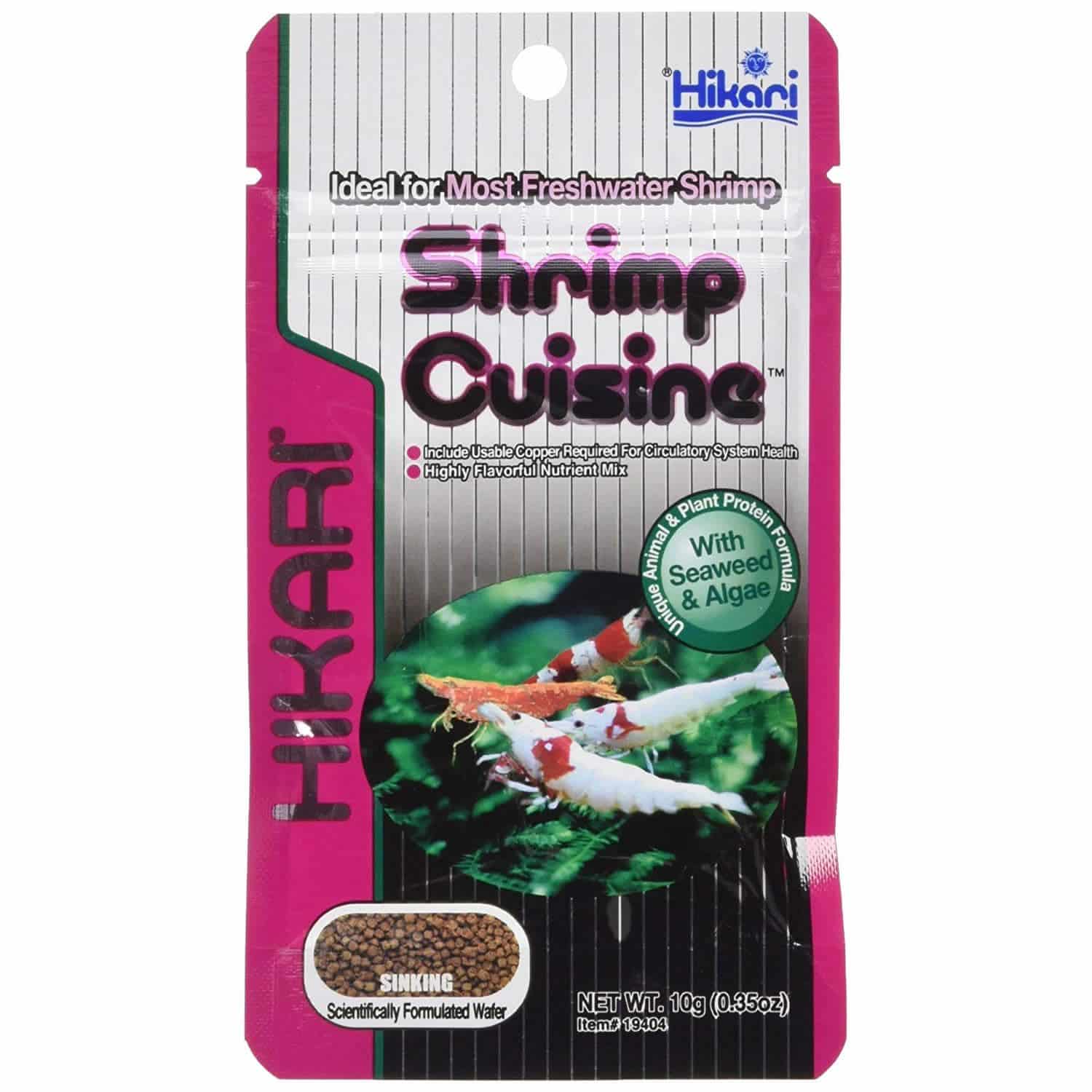
Hikari - Shrimp Food
Complete sinking food for grazing freshwater shrimp. This species can nibble the small granules gradually. Offer small portions alongside biofilm, distributed so all can reach food.
Check retailer for price0 retailers
Compare pricesSupplementary foods
No separate supplementary catalogue food sufficiently verified; follow variety and portions in the feeding section. No automatic mineral supplement.
Water testing and equipment
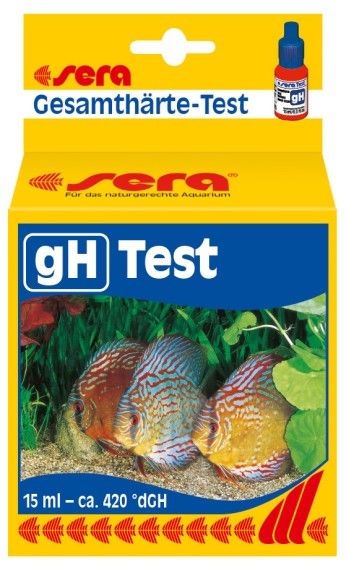
Sera - GH test
For checking a water parameter in this care guide. Follow the manufacturer’s test instructions; a test is not a treatment recommendation.
Check retailer for price0 retailers
Compare pricesPrices from the latest retailer update, excluding shipping. Check stock and delivery with the retailer.
Sources & review
This care guide draws on several specialist sources and was last checked on .