Ramshorn snail
Planorbella duryi

The ramshorn snail is an easily observed grazer with a flat coiled shell. Planorbella duryi is kept in several colours and reproduces in ordinary freshwater aquaria. This makes development and behaviour interesting to follow, but requires attention to feeding. Rapid population growth is not a reason to add treatments without investigation. The snail is an inhabitant with its own requirements, not merely a cleaner. This guide concerns Planorbella duryi; the ramshorn label is also used for other species, including much larger snails with different feeding habits.
Plan your aquarium →At a glance
- Temperature
- 20–26 °C
- pH
- 6.5–8.0
- GH
- 4–20 °dGH
- KH
- 3–12 °dKH
- Difficulty
- Easy
- Diet
- Herbivore
- Plant safety
- Yes
- Adult size
- Approximately 2–2.5 cm
- Swimming zone
- Bottom
- Temperament
- Peaceful
- Cover
- Suitable plants, Wood
Figures are cautious husbandry guidance, not a full stocking calculation. Missing values are insufficiently supported. Read layout, water and pairing conditions together.
About this species
Its disc-like shell usually reaches around two to two and a half centimetres. Shell and body colour vary, partly through selection. Red and pink forms are not separate species. Helisoma duryi is an older name. Do not confuse this small snail with Marisa cornuarietis, a larger apple snail with different biology and regulation. A round shell alone is insufficient for identification. The selected photograph is recorded as Planorbella duryi and shows a living aquarium animal.
Natural habitat
The species originates in North America, particularly associated with Florida, and has been introduced elsewhere. Vegetated freshwater provides surfaces and organic food. Accessible leaves, wood and quiet areas translate those functions into an aquarium. Dense planting should not prevent maintenance. Retain natural grazing surfaces without allowing persistent accumulations of decaying material. Never release snails or aquarium plants into outdoor water, even if the species appears harmless.
Aquarium and layout
A small mature aquarium may provide enough space when water, food and population remain manageable. No fixed social minimum is convincingly required. In mixed tanks, fish and other inhabitants often determine the necessary dimensions. Provide accessible leaves and a visible feeding area. If leaves appear eaten, first investigate whether they were already deteriorating. Work carefully around equipment and glass: small snails are easily missed.
Water conditions
A moderate tropical range around 20–26 °C suits many practical combinations. Avoid prolonged acidic, severely mineral-poor water if the shell deteriorates. Central pH, GH and KH values support comparisons, not rapid daily adjustment. This snail can breathe air at the surface, so surfacing does not automatically demonstrate oxygen shortage. Interpret unusual behaviour alongside other inhabitants and measurements. Guidance for shrimp cannot simply be copied to an air-breathing snail.
Behaviour and group size
Planorbella duryi grazes peacefully without establishing crayfish-like territories. Animals move over plants and glass and may appear near the surface. The population may exceed a single visible count. Observe at different times and consider feeding competition. Constantly withdrawn tentacles may reflect fish harassment. Undisturbed grazing is a better indication of a workable combination than merely finding surviving snails.
Feeding
Growth, soft algae and edible organic material are important food sources. Damaged or dying leaves may be eaten; healthy plants are not the intended staple. Offer small suitable supplements when needed and confirm consumption. Only cucumber or only fish leftovers is not a carefully balanced diet. Excess food may increase both population and water loading. Snails produce waste themselves and do not remove the need for maintenance or control of overall feeding.
Breeding
This hermaphroditic species deposits transparent jelly-like egg masses on surfaces. Young develop in freshwater without a necessary marine larval stage. Expect potential expansion even when initially few animals are seen. Temperature and food affect the pace; an exact weekly offspring count would be misleading. Juveniles need accessible natural growth. Check leaves and equipment when moving material between aquaria because eggs travel unnoticed.
Keeping with fish
Small peaceful fish may fit if they do not persistently pick at snails. Some eat eggs or small juveniles while larger snails remain visible; that does not make the whole population safe. Fish can damage tentacles and feet without breaking shells. Known snail predators are not described as trouble-free partners. Assess food and shared ground space too. Never buy a fish solely to control snails without meeting its own needs.
Keeping with other invertebrates
Peaceful dwarf shrimp may coexist in matching water, but shared grazing surfaces matter in very clean or crowded tanks. A strongly acidic bee-shrimp breeding aquarium is not automatically suitable for shell growth. Crayfish and predatory snails pose risks. Other algae-eating snails must be stocked according to available food. A more diverse cleaning crew does not automatically reduce maintenance.
Exoskeleton, shell and minerals
Snails build a lasting shell rather than moulting. Assess the new edge separately from older whorls. Check nutrition, chemistry and attacks before assuming mineral deficiency. Extra calcium is not a universal remedy or replacement for suitable conditions. Do not change hardness abruptly to cosmetically repair an old mark. Handle animals carefully and prevent the shell edge becoming trapped against tools or decorations.
Possible problems
Rapid population growth calls for checking regular overfeeding and dead plant material. Sudden decline may instead involve predation or unsuitable conditions. Snail-control products and some copper treatments can harm other invertebrates; do not apply them without appropriate assessment. Investigate water quality when several animals are affected. This guide provides no eradication recipe. Removed animals need a responsible destination and must never be released outdoors.
Keeping with other species

Neon tetra
Suitable with conditionsA shell does not protect the extended foot and tentacles. End the combination after persistent withdrawal or injuries. Neon tetras are not specialised snail predators. Check uninterrupted grazing and especially the cooler, softer fish profile; meeting at one boundary provides little margin.
View species profile →
Pygmy cory
SuitableA shell does not protect the extended foot and tentacles. End the combination after persistent withdrawal or injuries. Pygmy corys are not specialised shell-crushers, but share bottom space and food. Retain the fish group and ensure the snail can graze quietly.
View species profile →
Siamese fighting fish
Suitable with conditionsRisk of injury to snailsA shell does not protect the extended foot and tentacles. End the combination after persistent withdrawal or injuries. A betta may deliberately hunt or pick at exposed parts. Individuals differ; dense plants and shells do not guarantee protection. Separation must be possible.
View species profile →
Freshwater angelfish
Not recommendedRisk of injury to snailsA shell does not protect the extended foot and tentacles. End the combination after persistent withdrawal or injuries. Adult angelfish are large and territorial and can seize smaller animals. Predation, picking and moulting vulnerability matter despite water overlap; their own large aquarium is still required.
View species profile →
Guppy
SuitableA shell does not protect the extended foot and tentacles. End the combination after persistent withdrawal or injuries. Guppies are not specialised snail predators and their water often suits snails better than very acidic breeding water. Still watch for picking at foot or tentacles and competition for growth.
View species profile →
Cherry shrimp
SuitableRamshorns do not hunt healthy shrimp. Monitor food and snail numbers; extra inhabitants do not justify constant feeding.
View species profile →
Orange Mexican dwarf crayfish
Not recommendedRisk to adultsRisk of injury to snailsThe crayfish may seize feet or tentacles and damage small snails. An intact shell does not prove a successful combination.
View species profile →Suitable plants

Dwarf Anubias
Sturdy Anubias leaves and roots provide grazing surfaces and shelter. Attach the rhizome rather than burying it.
- Light
- Low, Moderate
- CO₂
- CO₂ injection not needed

Java fern
Java fern on wood offers lasting leaves and cover. Keep the rhizome exposed and leave access for maintenance and feeding.
- Light
- Low, Moderate
- CO₂
- CO₂ injection not needed

Dwarf ambulia
Fine Limnophila leaves offer abundant surface; thin regularly so substrate and food remain accessible.
- Light
- Low, Moderate
- CO₂
- CO₂ injection not essential
Suitable products
Recommended staple foods
No existing catalogue food sufficiently supported for this snail. Natural grazing surfaces and actually accepted food remain necessary; no product card does not mean supplementary feeding is never needed.
Water testing and equipment
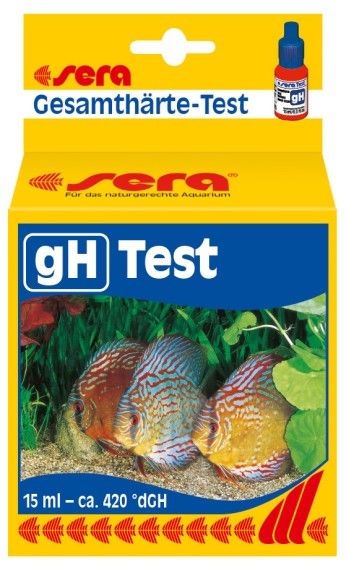
Sera - GH test
For checking a water parameter in this care guide. Follow the manufacturer’s test instructions; a test is not a treatment recommendation.
Check retailer for price0 retailers
View retailersPrices from the latest retailer update, excluding shipping. Check stock and delivery with the retailer.
Sources & review
This care guide draws on several specialist sources and was last checked on .