Dwarf ambulia
Limnophila sessiliflora

Limnophila sessiliflora is a fast-growing stem plant with finely divided green leaves arranged in whorls. A background group contrasts softly with broad-leaved plants and gives small fish spaces to retreat. It can grow in a simple aquarium when light and nutrients keep pace. Fast growth also means regular maintenance: a dense upper canopy can shade the lower leaves. Plant individual stems with gaps and prune before the entire surface becomes covered. Ambulia remains a common trade name, but checking the scientific identity helps avoid confusion with other fine-leaved plants. Judge new growth and the condition of the lower stems together.
Plan your aquarium →At a glance
- Difficulty
- Easy
- Plant height
- 15–40 cm
- Growth rate
- Fast
- Placement
- Background
- Temperature
- 22–28 °C
- pH
- 5.5–8.0
- Light
- Low, Moderate
- CO₂
- Optional
- Nutrient uptake
- Through the water column
- Substrate
- Sand, Gravel, Aquasoil
- Propagation
- Cuttings
About this plant
Kew accepts Limnophila sessiliflora; Ambulia sessiliflora is an older botanical name. Its foliage can resemble Cabomba, but these are different plants. This guide does not apply to everything sold as Ambulia. Submerged growth develops the familiar soft whorls; leaves above water can differ. Foliage density and distances between whorls are useful signs of growing conditions.
Natural habitat
The native range is Asian and extends beyond the tropical southeast. It inhabits wet environments and may form substantial vegetation. Provide room, accessible light and regular management in the aquarium. It has become established outside its native range in several places. Never release living trimmings into drains leading outdoors or natural waters; dispose of them without allowing spread.
Placement in the aquarium
The aquarium guidance used here is 22–28 °C and pH 5.5–8. A maintained group commonly occupies 15–40 cm in height; untrimmed stems can keep growing. Use the background. Remove damaged lower foliage and plant separate stems gently rather than burying a tightly bound bunch. Retain adjacent swimming space and prevent a dense mass from blocking the filter intake.
Light
Low to moderate light can work, but very weak lighting encourages long, sparse stems with wider gaps between leaves. Lower portions also need access to light: a bright lamp above a closed canopy cannot correct shade beneath it. A general start-up period of 6 hours can move towards 8 hours when balanced. Do not raise intensity blindly if nutrients or crowding limit growth.
CO₂
CO₂ is optional. Injection can support growth and may help reduce sparse development, according to growers, but cannot replace adequate light. The plant can grow without equipment. With CO₂, balance supply against lighting, nutrients and animal needs. A new system will not automatically restore a shaded stem base. Healthy tips and gradual adjustment matter more than speed alone.
Nutrition and fertilisation
Rapid growth can consume appreciable nutrients. Water-column fertilisation is practical, including nitrogen, phosphorus, potassium and micronutrients. Food and waste do not provide identical amounts in every tank. A fertiliser without nitrate and phosphate is not necessarily complete for a vigorous group. Review the whole aquarium before combining products. Pale tips do not automatically indicate an isolated iron deficiency.
Substrate and root feeding
Sand, fine gravel or suitable plant substrate can anchor stems. Roots may develop well without nutrition coming exclusively from a rich substrate, so a thick nutrient layer is not essential. Secure new stems without crushing them with tweezers. Match the bottom to animal needs too. Diggers may dislodge fresh planting before a strong root system develops.
Growth and pruning
Prune when tips create excessive shade or exceed the intended height. Cut with clean tools above a viable stem portion and remove fragments. Replant healthy tops and selectively replace old bare bases. Repeatedly clipping only the canopy will not repair a depleted lower group. Thin stems where necessary so water and light can reach between them.
Propagation
Healthy stem cuttings propagate readily. Make a clean cut, remove leaves that would be buried and plant with space between cuttings. Allow rooting without repeatedly pulling stems to test attachment. Rotten or damaged material is a poor starting point. Side growth can also enlarge the group; retain only as much planting as you can maintain.
Suitable fish and animals
Fine foliage shelters small fish and young animals, but is more vulnerable to digging and grazing than firm Anubias leaves. Active swimmers need open water alongside the planted background. Check animals hiding in the stems when feeding. Central fish links describe practical husbandry combinations, not a claim that every linked fish naturally shares the plant’s habitat.

Cardinal tetra
Suitable with conditionsCover above and beside the calm cardinal school. Fine stems at the margins provide cover; low to moderate light, optional CO₂. Trim regularly and retain an open swimming lane. Shared profile: 24–27 °C; pH 6–7.
View species profile →
Rummy-nose tetra
Suitable with conditionsLeave a long rummynose swimming lane in front. Fine stems at the margins provide cover; low to moderate light, optional CO₂. Trim regularly and retain an open swimming lane. Shared profile: 24–26 °C; pH 6–6.5.
View species profile →
Black neon tetra
Suitable with conditionsPlant the sides so black neons can choose cover or open water. Fine stems at the margins provide cover; low to moderate light, optional CO₂. Trim regularly and retain an open swimming lane. Shared profile: 23–26 °C; pH 6–7.5.
View species profile →
Cherry barb
Suitable with conditionsSoft marginal cover for cherry barbs; no promise that scattered eggs survive. Fine stems at the margins provide cover; low to moderate light, optional CO₂. Trim regularly and retain an open swimming lane. Shared profile: 22–25 °C; pH 6–7.5.
View species profile →
Honey gourami
Suitable with conditionsQuiet corners for honey gouramis; always preserve a route to air. Fine stems at the margins provide cover; low to moderate light, optional CO₂. Trim regularly and retain an open swimming lane. Shared profile: 24–26 °C; pH 6–7.5.
View species profile →
Panda cory
Suitable with conditionsKeep plenty of fine sand beside the plants for the panda group. Fine stems at the margins provide cover; low to moderate light, optional CO₂. Trim regularly and retain an open swimming lane. Shared profile: 22–24 °C; pH 6–7.2.
View species profile →
Sterba's cory
Suitable with conditionsKeep Sterbai’s sand feeding area clear and establish plants before they are uprooted. Fine stems at the margins provide cover; low to moderate light, optional CO₂. Trim regularly and retain an open swimming lane. Shared profile: 24–28 °C; pH 6–7.2.
View species profile →
Kuhli loach
Suitable with conditionsAdd safe crevices and fine sand; young stems may be loosened by foraging. Fine stems at the margins provide cover; low to moderate light, optional CO₂. Trim regularly and retain an open swimming lane. Shared profile: 23–25 °C; pH 6–7.
View species profile →
Chili rasbora
Suitable with conditionsFine shelter for tiny chilis with open patches to monitor microfood. Fine stems at the margins provide cover; low to moderate light, optional CO₂. Trim regularly and retain an open swimming lane. Shared profile: 24–26 °C; pH 5.5–6.8.
View species profile →
Boeseman's rainbowfish
Suitable with conditionsPlace tall stands outside the broad adult rainbowfish swimming route. Fine stems at the margins provide cover; low to moderate light, optional CO₂. Trim regularly and retain an open swimming lane. Shared profile: 25–27 °C; pH 7–8.
View species profile →
Ramshorn snail
SuitableFine Limnophila leaves offer abundant surface; thin regularly so substrate and food remain accessible.
View species profile →Possible problems
Bare lower stems often indicate shading or crowding, but inspect injury and nutrition as well. Loose brown debris may collect in fine leaves; remove it gently and improve water distribution if necessary. Better circulation does not require a harsh jet. When growth declines, change care deliberately instead of simultaneously replacing lighting, fertiliser and CO₂. Dispose of cuttings responsibly.
Care for this plant
Plant fertiliser
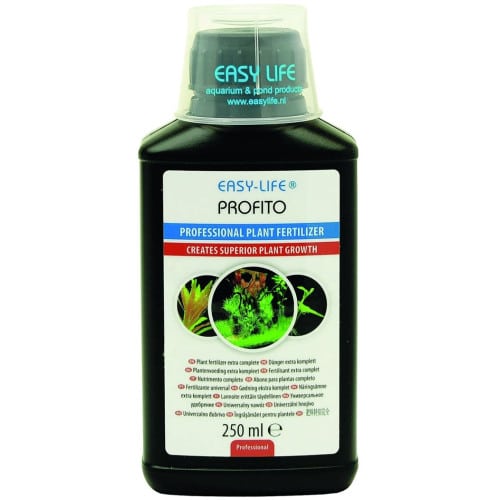
Easy Life ProFito 250ml
OptionalWater-column nutrition for fast-growing stems. Check nitrogen and phosphorus separately: ProFito has no nitrate or phosphate.
Check retailer for price0 retailers
View retailers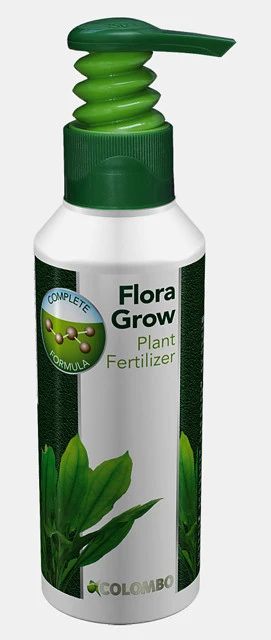
Flora grow 500ml
OptionalLimnophila sessiliflora is a fast-growing stem plant feeding from the water column. This 500 ml variant provides optional water-column nutrition; adjust dosing to growth and existing fertilisation.
Check retailer for price0 retailers
View retailers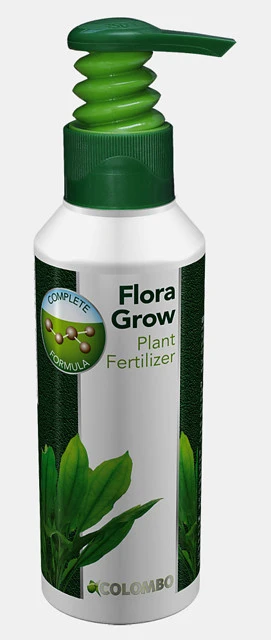
Flora grow 250ml
OptionalLimnophila sessiliflora is a fast-growing stem plant feeding from the water column. This 250 ml variant provides optional water-column nutrition; adjust dosing to growth and existing fertilisation.
Check retailer for price0 retailers
View retailers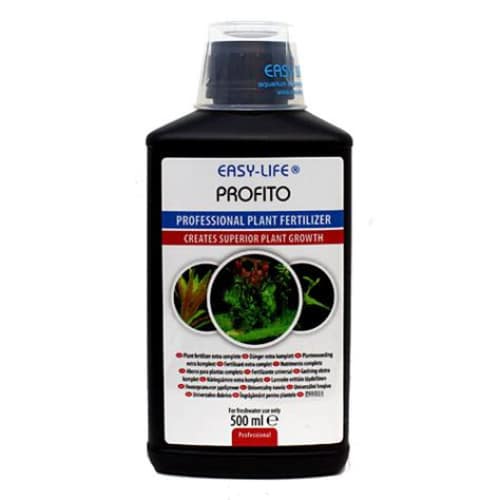
Easy Life ProFito 500ml
OptionalAn optional suitable product type; use according to manufacturer instructions and measured need.
Check retailer for price0 retailers
View retailersCO₂ equipment
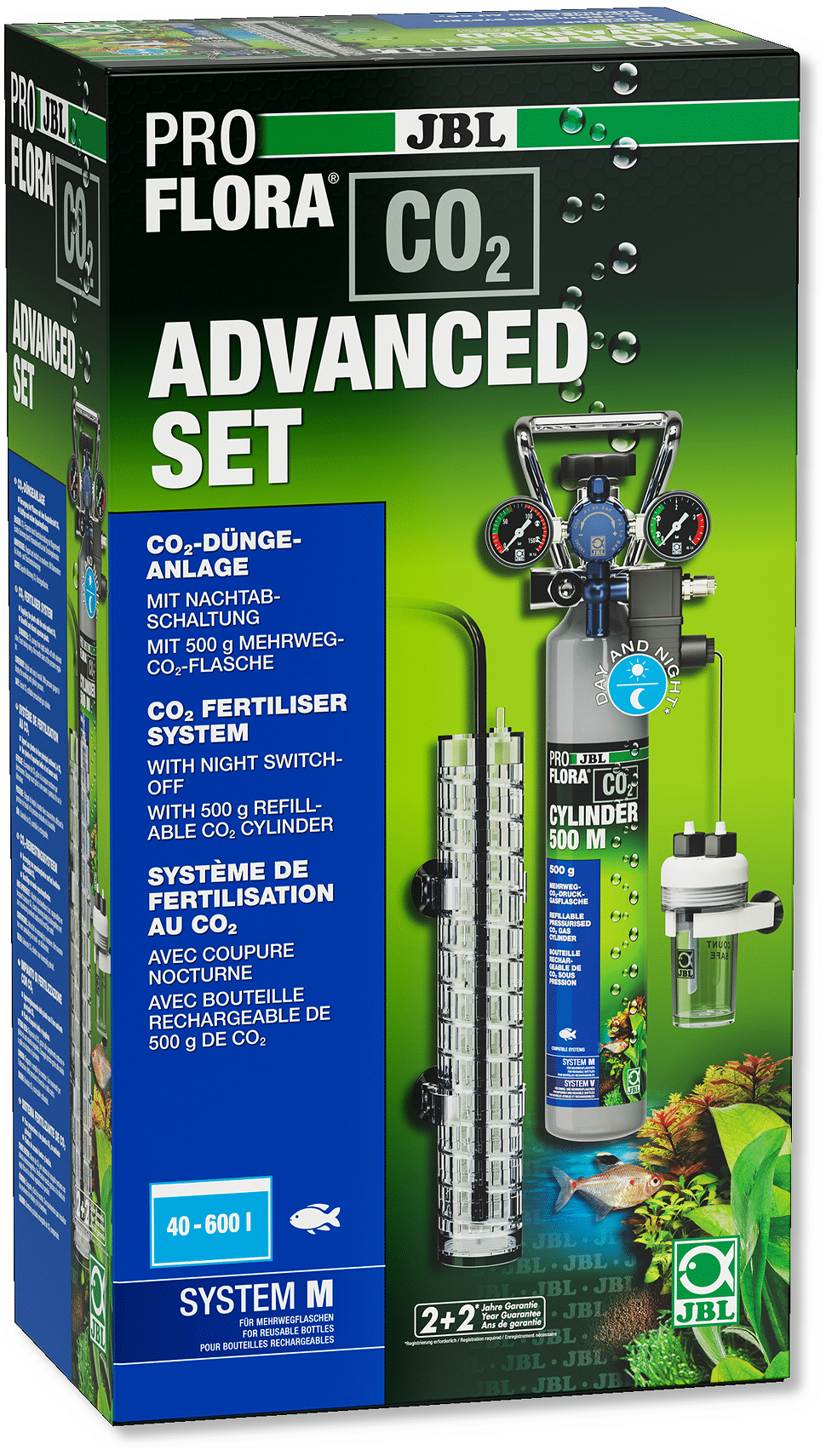
Jbl - Proflora CO2 Advanced Set M
OptionalOptional gas CO₂ system for a deliberate faster-growth setup, not essential for this plant. Manufacturer range 40–600 L; assess operation and safety separately.
Check retailer for price0 retailers
View retailersTools
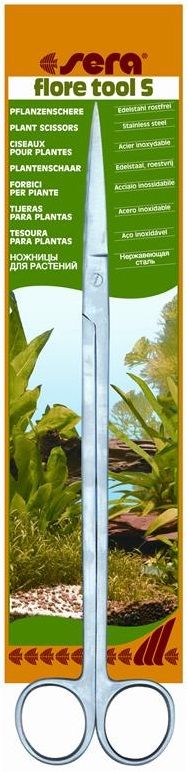
Sera Flore Tool S plantenschaar
OptionalScissors to prune stem tips and retain healthy cuttings.
Check retailer for price0 retailers
View retailersPrices from the latest retailer update, excluding shipping. Check stock and delivery with the retailer.
Lighting has been investigated but is not yet linked: available specifications do not adequately establish light class and coverage at plant depth.
Sources & review
This care guide draws on several specialist sources and was last checked on .