Black neon tetra
Hyphessobrycon herbertaxelrodi

The black neon tetra, Hyphessobrycon herbertaxelrodi, shows that a striking shoaling fish does not need a bright red belly. A pale, iridescent line above a broad black band stands out beautifully against green plants. Despite the name, it is not a dark colour form of the neon tetra, but a separate species with its own geographical range. It is generally an approachable choice for a carefully established community aquarium. Keep a proper group, provide a generous swimming lane and choose food suited to its small mouth. Its reputation as a hardy beginner's fish does not mean it can compensate for an uncycled tank. A calm introduction, good water quality and enough companions remain essential. For anyone combining natural planting with visible activity in the middle and upper half of the tank, this species is a useful candidate.
Plan your aquarium →At a glance
- Temperature
- 23–26 °C
- pH
- 6.0–7.5
- GH
- 3–12 °dGH
- Aquarium length
- At least 80 cm
- Adult size
- Approximately 4 cm
- Group size
- At least 10 individuals
- Swimming zone
- Middle
- Temperament
- Peaceful
- Cover
- Plants and sheltered areas
- Staple food
- Fine flakes, Small granules
- Supplementary food
- Live food, Frozen food, Finely crumbled dried natural food
Allow a minimum length of eighty centimetres for ten black neon tetras. One hundred centimetres or more makes a larger shoal and carefully chosen companions easier to accommodate. Smaller recommendations exist, but this guide favours additional swimming length for social activity. Usable floor area and layout matter more than an isolated litre figure.
About this species
A silvery to greenish reflective stripe borders the broad dark band above. The reddish upper part of the eye is another noticeable feature. For planning, allow about four centimetres total length. Sources giving a shorter standard length exclude the tail fin from that measurement.
Females are usually somewhat deeper and fuller-bodied than males. A full belly alone does not prove that a fish is healthy or carrying eggs; consider the whole animal and its behaviour. The species is commercially bred on a large scale. Nevertheless, ask about the supplier's conditions and assess every batch for condition. Captive breeding does not remove the need for careful acclimation and observation.
Natural habitat
The species originates from the upper Paraguai basin in Brazil, including parts of Mato Grosso and Mato Grosso do Sul. That is a different geographical background from the familiar blue neons of the Amazon region. Small tributaries, streams and floodplains provide a mosaic of open water and vegetated margins.
An image of nothing but dark, acidic forest water is too simplistic here. Habitat descriptions also include clearer water with submerged and marginal vegetation. A planted aquarium is therefore a sensible practical interpretation, without claiming that every aquarium plant offered grows at the same locality. Use stands of stem plants and some quiet shaded areas while preserving a continuous swimming route. Seasonal influences in the wild need not be reproduced as abrupt temperature shocks.
Aquarium and layout
Allow a minimum length of eighty centimetres for ten black neon tetras. One hundred centimetres or more makes a larger shoal and carefully chosen companions easier to accommodate. Smaller recommendations exist, but this guide favours additional swimming length for social activity. Usable floor area and layout matter more than an isolated litre figure.
Plant the back and sides, leaving open water in front. Roots can create shade and break sightlines without blocking the entire middle. Moderate water movement and effective biological filtration are preferable to a forceful jet that pushes all the fish into one corner. Finish the setup, let it stabilise and introduce the shoal without adding the entire intended population at once. Continue checking individual fish daily after purchase.
Water conditions
We use 23–26 °C, pH 6–7.5 and GH 3–12 as a practical maintenance range. The sources consulted describe wider tolerances, but routine care gains nothing from constantly approaching the extremes. Choose a stable setting that also suits the other residents.
Black neons tolerate more variation than some specialised blackwater fish, but are not immune to waste pollution. Test ammonia and nitrite, track nitrate and maintain the filter without thoroughly cleaning all biological media at the same time. Base water changes on measurements and stocking. Where the supplier's water differs, adapt gradually; hastily lowering pH can do more harm than a calm, considered adjustment to the plan.
Behaviour and group size
Keep at least ten of their own species. A relaxed group may spread loosely around the tank and gather again when disturbed. This is no reason to add a predator to force tighter schooling. Conspecifics provide social opportunities that a collection of unrelated individual tetras cannot.
Peaceful fish of similar size are the most logical companions. With dwarf cichlids, breeding territories and escape space matter; sharing a temperature range alone does not make a combination suitable. Very small fish and newborn shrimp require extra caution. Black neons are not dedicated shrimp guardians. Check that food reaches quiet bottom dwellers, because an active tetra group can intercept much of it before it sinks.
Feeding
As an omnivore, the black neon can receive an appropriately fine complete food as its staple. Small flakes and suitable mini-granules are convenient; check actual uptake instead of relying solely on the label. Food repeatedly spat out may be too large or unaccepted. Break flakes down before simply adding more.
Small live or frozen organisms add variety. Dried water fleas may be used as a supplement while the dietary foundation remains nutritionally complete. Offer small portions the group can take readily, distributing them between feeding spots if needed. The fact that this species also uses plant material does not make it a solution to nuisance algae. Excess feeding only increases the aquarium's waste load.
Breeding
This tetra scatters eggs and provides no parental care. An occasional youngster may survive in a densely planted mature tank, but a separate breeding setup offers greater control. Prepare fine-leaved plants or a suitable spawning mop and protect the eggs from the adults.
Use healthy, well-conditioned parents and relatively soft, slightly acidic to neutral water. Remove the adults after spawning. The first larvae need microscopic food; larger live foods, such as newly hatched Artemia, follow once they have grown. Make the transition according to what the fry can actually take rather than a fixed calendar alone. Provide gentle filtration with a safe intake and remove waste carefully. Breeding is achievable, but crumbling adult food more finely does not automatically make it appropriate for the smallest larvae.
Keeping with other species

Cardinal tetra
SuitablePeaceful tetras of comparable size. Keep a separate school of each; black neons do not replace cardinal companions. Plant the margins. Shared profile: 24–26 °C; pH 6–7; GH 3–8. Layout recommendation: from 100 cm.
View species profile →
Rummy-nose tetra
Suitable with conditionsBoth schools occupy midwater. A long tank and distributed feeding help prevent active rummynoses crowding out the calmer school. Shared profile: 24–26 °C; pH 6–6.5; GH 3–4. Layout recommendation: from 120 cm.
View species profile →
Panda cory
Suitable with conditionsUse the cooler shared maintenance range. Black neons feed midwater; pandas need their own sand area and targeted bottom food. Shared profile: 23–24 °C; pH 6–7.2; GH 3–12. Layout recommendation: from 100 cm.
View species profile →
Bronze cory
SuitableA calm school above a larger bottom group works practically. Give bronze corys open substrate and dedicated tablets, not leftovers. Shared profile: 23–26 °C; pH 6.5–7.5; GH 4–12. Layout recommendation: from 100 cm.
View species profile →
Honey gourami
Suitable with conditionsThe school is generally calm enough, but honey gouramis must reach food. Retain floating cover and escape space around bubble nests. Shared profile: 24–26 °C; pH 6–7.5; GH 4–12. Layout recommendation: from 100 cm.
View species profile →
Dwarf gourami
Suitable with conditionsBlack neons are less vulnerable than tiny rasboras, but a nesting dwarf gourami may chase. Break sightlines and separate feeding spots. Shared profile: 25–26 °C; pH 6–7.5; GH 6–12. Layout recommendation: from 100 cm.
View species profile →
Zebra danio
Suitable with conditionsOnly within the cooler shared range, with ample swimming length. Danios are busier; monitor tetra hiding and feeding. Shared profile: 23–24 °C; pH 6.5–7.5; GH 5–12. Layout recommendation: from 120 cm.
View species profile →
Boeseman's rainbowfish
Suitable with conditionsAdult black neons are calmer than rainbowfish. Use the warmer harder overlap, broad visual cover and check tetras continue feeding. Shared profile: 25–26 °C; pH 7–7.5; GH 10–12. Layout recommendation: from 150 cm.
View species profile →Suitable plants

Dwarf ambulia
Plant the sides so black neons can choose cover or open water. Fine stems at the margins provide cover; low to moderate light, optional CO₂. Trim regularly and retain an open swimming lane. Shared profile: 23–26 °C; pH 6–7.5.
- Light
- Low, Moderate
- CO₂
- CO₂ injection not essential

Straight vallisneria
Plant the sides so black neons can choose cover or open water. Ribbon leaves form a tall backdrop. Moderate to strong light, no compulsory CO₂; remove runners from open swimming or feeding areas. Shared profile: 23–26 °C; pH 6–7.5.
- Light
- Moderate, High
- CO₂
- CO₂ injection not essential
Suitable products
Recommended staple foods

Tetramin Bio Active Vlokken Fish food 100 ml
Complete flakes crushed for adult black neons. Feed above quiet midwater areas so slower fish receive food.
Check retailer for price0 retailers
View retailersSupplementary foods
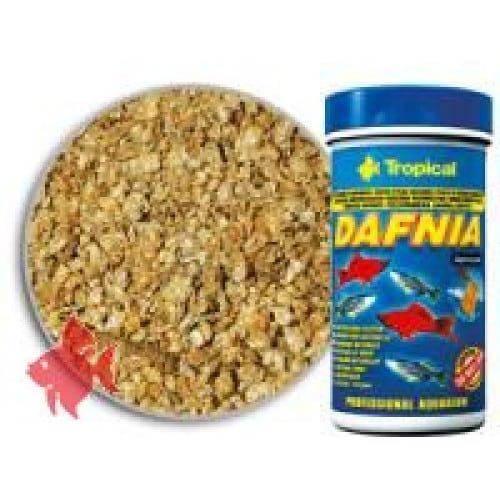
Tropical Dafnia 100ml
Dried Daphnia as a small supplementary variety. Adjust particle size and share among companions; never the only daily food.
Check retailer for price0 retailers
View retailersWater testing and equipment
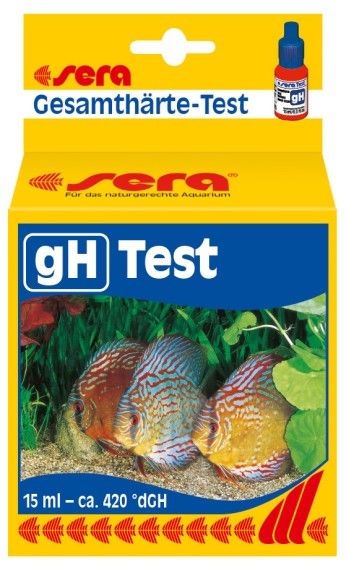
Sera - GH test
For checking a water parameter in this care guide. Follow the manufacturer’s test instructions; a test is not a treatment recommendation.
Check retailer for price0 retailers
View retailersPrices from the latest retailer update, excluding shipping. Check stock and delivery with the retailer.
Sources & review
This care guide draws on several specialist sources and was last checked on .