Panda cory
Hoplisoma panda

The panda cory, Hoplisoma panda, combines a striking black eye mask with an inquisitive way of searching for food. A group travels across the substrate together and often rests close together beneath a leaf or piece of wood. It stays small, but is not a solitary cleaner for an overcrowded tank. Give it companions of its own species, a soft, clean substrate and food that actually reaches the bottom. Temperature also matters: pandas suit moderately warm aquaria better than permanently hot discus setups. They are still widely sold under their former name, Corydoras panda. The name change does not alter their need for calm surroundings and a planned place in the community. Designing the bottom for the fish, rather than simply filling it with ornaments, reveals much more of their normal behaviour.
Plan your aquarium →At a glance
- Temperature
- 22–24 °C
- pH
- 6.0–7.2
- GH
- 2–12 °dGH
- Aquarium length
- At least 60 cm
- Adult size
- Approximately 5 cm
- Group size
- At least 6 individuals
- Swimming zone
- Bottom
- Temperament
- Peaceful
- Cover
- Plants and sheltered areas
- Staple food
- Sinking tablet, small portions, Small granules
- Supplementary food
- Live food, Frozen food, Finely crumbled dried natural food
For at least six pandas, we use sixty centimetres as the minimum tank length, with substantial usable bottom space. Eighty centimetres is more comfortable for a larger group or companions. A tall, narrow aquarium does not provide the same working space as an elongated footprint, so volume alone says too little.
About this species
The pale body has dark markings around the eyes, on the dorsal fin and at the base of the tail. Maximum adult standard length is approximately five centimetres, excluding the tail fin. Females are generally stockier and rounder than males; young fish in shops cannot always be sexed reliably.
Hoplisoma panda is an armoured catfish, with bony plates along the body and barbels around the mouth. Its new genus follows the Corydoradinae revision. It is the same species long known as Corydoras panda. Do not confuse it with other masked catfish or pygmy corys: adult size, pattern and swimming behaviour can differ. A shop label saying small cory is not precise enough when choosing a group.
Natural habitat
The species comes from Peru, in the upper Amazon region and Ucayali system. Recorded localities lie around the Andean foothills, where water can be relatively cool. The idea that every Amazonian fish wants permanently very warm, strongly acidic water does not fit this species.
Sandy substrate and sheltered margins provide useful design cues. There is no need to force wild seasonal fluctuations to enable natural behaviour. Instead, provide quiet bottom-level routes, with open feeding patches between shaded resting places. Aquarium plants can serve that purpose even when they do not come from the original region. Such practical planting should not be described as an exact recreation of a particular Peruvian locality.
Aquarium and layout
For at least six pandas, we use sixty centimetres as the minimum tank length, with substantial usable bottom space. Eighty centimetres is more comfortable for a larger group or companions. A tall, narrow aquarium does not provide the same working space as an elongated footprint, so volume alone says too little.
Choose fine, rounded sand without sharp grains. Wood and stones must be stable and should not form trapping points. Plant mainly the margins and background so the group can forage side by side. Leave a clear route upwards: occasional air gulping is normal. Protect the filter intake against small fish and remove waste between resting places. Substrate that looks clean on top may still collect debris beneath a habitual feeding spot.
Water conditions
The chosen maintenance range is 22–24 °C, pH 6–7.2 and GH 2–12. Specialist temperature recommendations overlap particularly in this moderate range. Permanently high temperatures are therefore not a sound basis for combining pandas casually with heat-loving fish.
Use a biologically mature tank, adequate gas exchange and regular suitable water changes. Check ammonia and nitrite if the fish become unusually sluggish or make many more surface dashes. An occasional gulp is normal; a sudden change across the group warrants investigation. During hot weather, first check the actual water temperature and filter operation. Avoid abrupt cooling in response to a single high reading. Consistent care matters more than chasing a different target every day.
Behaviour and group size
Keep at least six of this species, preferably a larger group when floor space permits. A collection containing one of each of several cory species does not replace their own group. Resting beside companions and setting off to forage together are part of their appeal.
Small peaceful tetras sharing the same moderate temperature needs are logical candidates. Boisterous fin nippers and territorial bottom dwellers may exclude pandas from feeding areas. A breeding dwarf-cichlid pair can claim the bottom even if both species seem calm outside spawning periods. Armour does not make pandas immune to attacks. Small eggs and newly hatched animals may be eaten; peaceful behaviour towards adult fish does not make every breeding project safe.
Feeding
Provide a suitable complete sinking food daily and deliberately. A small tablet that breaks up gradually or small sinking granules allows feeding with the downward-facing mouth. Pandas do not eat faeces or clean the aquarium. Chance scraps missed by fish above are not a dependable meal.
Spread food over several accessible spots and watch smaller pandas join in. Small frozen or live foods add variety when they reach the bottom. Floating dried animals are not automatically useful to bottom feeders without an appropriate presentation method. Avoid leaving a tablet uneaten throughout the night. A gently rounded belly after feeding differs from persistent swelling; monitor condition and behaviour over several days.
Breeding
Mature fish may spawn in a separate peaceful setup. During the familiar T-position, male and female come together, after which the female attaches adhesive eggs to a surface. Moss or a spawning mop can make eggs easier to locate. A documented successful panda breeding used a submerged mop; it is a practical option, not mandatory equipment.
There is no protective parental care. Separate eggs or adults if you intend to raise fry. Use clean water, gentle circulation and a safe intake. Once the yolk sac is consumed, very small foods are needed, such as microworms followed by suitably sized Artemia nauplii. Match food to the smallest fry. Do not force spawning through large sudden temperature shocks in a community tank; the other inhabitants must remain healthy too.
Keeping with other species

Black neon tetra
Suitable with conditionsUse the cooler shared maintenance range. Black neons feed midwater; pandas need their own sand area and targeted bottom food. Shared profile: 23–24 °C; pH 6–7.2; GH 3–12. Layout recommendation: from 100 cm.
View species profile →
Zebra danio
SuitableBoth suit the cooler regime. Keep quiet sand below the active school, target-feed pandas and maintain good oxygenation. Shared profile: 22–24 °C; pH 6.5–7.2; GH 5–12. Layout recommendation: from 120 cm.
View species profile →
Cherry barb
SuitableCalm barbs and small bottom fish suit the cooler shared profile. Retain planted margins and open sand; feed both groups separately. Shared profile: 22–24 °C; pH 6–7.2; GH 5–12. Layout recommendation: from 80 cm.
View species profile →
Bigspot otocinclus
SuitableCalm species using different food resources. Keep open sand for pandas and mature grazing surfaces for Otocinclus; feed each appropriately. Shared profile: 23–24 °C; pH 6–7.2; GH 2–12. Layout recommendation: from 80 cm.
View species profile →
Chili rasbora
Suitable with conditionsOur profiles share only a narrow temperature overlap. Use stable common conditions and feed chilis fine food above calm bottom fish. Shared profile: 24 °C; pH 6–6.8; GH 2–6. Layout recommendation: from 80 cm.
View species profile →
Kuhli loach
Suitable with conditionsBoth forage on the bottom. Reserve sand and crevices for two proper groups and distribute sinking food to limit nocturnal competition. Shared profile: 23–24 °C; pH 6–7; GH 2–8. Layout recommendation: from 100 cm.
View species profile →Suitable plants

Java moss
Keep plenty of fine sand beside the plants for the panda group. Thinly attached moss gives fine shelter. Low to moderate light, no compulsory CO₂; keep debris and loose thread loops out. Shared profile: 22–24 °C; pH 6–7.2.
- Light
- Low, Moderate
- CO₂
- CO₂ injection not essential

Dwarf ambulia
Keep plenty of fine sand beside the plants for the panda group. Fine stems at the margins provide cover; low to moderate light, optional CO₂. Trim regularly and retain an open swimming lane. Shared profile: 22–24 °C; pH 6–7.2.
- Light
- Low, Moderate
- CO₂
- CO₂ injection not essential
Suitable products
Recommended staple foods
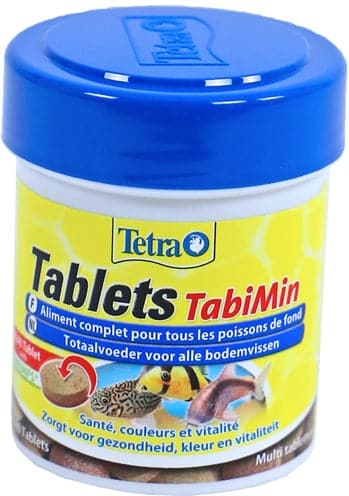
Tetra Tabimin Tabletten Fish food 120 st
Small sinking tablet portions that soften for pandas. Place on open sand and check the whole group feeds.
Check retailer for price0 retailers
View retailersSupplementary foods
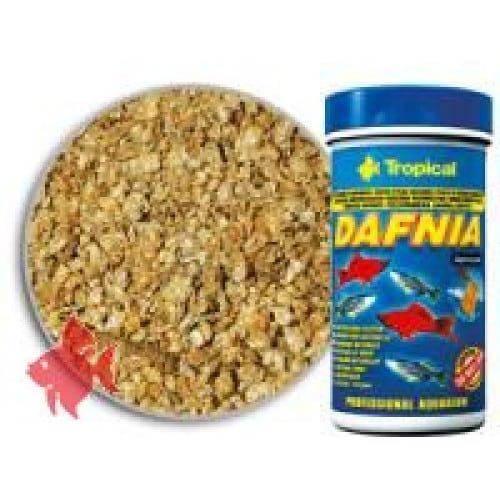
Tropical Dafnia 100ml
Small animal supplement, broken down and briefly soaked to reach the dedicated bottom feeding spot. Verify feeding; not a complete sinking-food replacement.
Check retailer for price0 retailers
View retailersWater testing and equipment
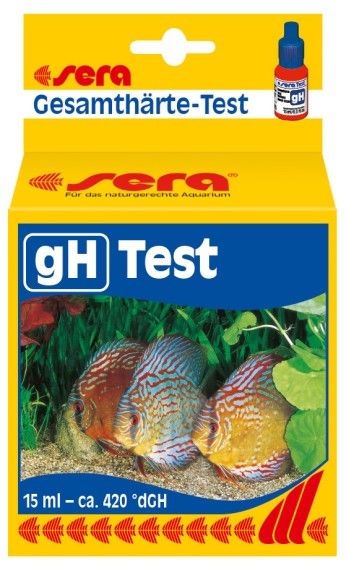
Sera - GH test
For checking a water parameter in this care guide. Follow the manufacturer’s test instructions; a test is not a treatment recommendation.
Check retailer for price0 retailers
View retailersPrices from the latest retailer update, excluding shipping. Check stock and delivery with the retailer.
Sources & review
This care guide draws on several specialist sources and was last checked on .
View the sources
- Dias et al. (2024), Zoological Journal of the Linnean Society — Corydoradinae revision — Hoplisoma panda
- Seriously Fish — Hoplisoma panda
- ScotCat — Allan James — Panda cory — identification, field observations and care
- LICG — Pantsermeervallen — care guidance
- Ann Whitman (2018), Tropical Fish Club of Burlington — Breeding Corydoras panda, pages 19–20
- Federation of British Aquatic Societies — Care sheet 17 — Corydoras and associated species (Source currently unavailable)