Kuhli loach
Pangio semicincta

The kuhli loach, Pangio semicincta, is a slender striped bottom fish that uses an aquarium very differently from an open-water shoaler. It searches among sand, leaves and roots for small food items and likes resting close to its companions. In a bare, brightly lit aquarium it may remain almost invisible, whereas a thoughtfully arranged environment allows more natural behaviour to emerge. The trade name kuhli covers several Pangio species; this guide specifically addresses the commonly offered Pangio semicincta. Its eel-like shape is no reason to accept escape routes: safe filter intakes, closed gaps and stable ornaments are essential. Give the group a meal of its own on the bottom. These are not waste collectors that inevitably find enough after every other fish has finished eating.
Plan your aquarium →At a glance
- Temperature
- 23–25 °C
- pH
- 6.0–7.0
- GH
- 2–8 °dGH
- Aquarium length
- At least 60 cm
- Adult size
- Approximately 10 cm
- Group size
- At least 6 individuals
- Swimming zone
- Bottom
- Temperament
- Peaceful, Mainly active at dusk or night, Forages on and in the substrate
- Cover
- Suitable plants, Caves and narrow shelters, Wood
- Staple food
- Small granules
- Supplementary food
- Live food, Frozen food, Finely crumbled dried natural food
Choose an aquarium at least sixty centimetres long for a minimum of six kuhli loaches. Eighty centimetres provides more usable bottom area and is more comfortable in a community. Additional height offers little benefit if pots and stones occupy the entire floor.
About this species
The elongated body can reach about ten centimetres standard length, excluding the tail fin. Dark bands cross a yellowish to orange background. Markings vary between individuals and may change with age, so counting bands alone cannot establish identity reliably.
Pangio semicincta and the true Pangio kuhlii are separate species despite older confusion in names and shop labels. Other similar forms also enter the trade. Retain any available origin information when buying fish. Adult females are generally fuller, but a swollen body alone does not prove sex or imminent spawning. Small spines near the eyes may catch in a net; work calmly and never pull forcefully on an entangled fish.
Natural habitat
The species is known from the Malay Peninsula, Sumatra and Borneo, with uncertainty around the limits of some similar populations. Shaded forest waters, quiet stream sections and swampy areas provide soft substrates and accumulated leaves. Not every locality looks alike.
Use this way of life to plan sheltered bottom routes. Safe leaf litter can add cover but should not become an inaccessible waste trap. Roots and plants should leave several passages open. The aim is not maximum darkness but a choice of shelter. Remember that fish may be hidden beneath leaves or in sand during maintenance; locate the group before moving major pieces of decoration.
Aquarium and layout
Choose an aquarium at least sixty centimetres long for a minimum of six kuhli loaches. Eighty centimetres provides more usable bottom area and is more comfortable in a community. Additional height offers little benefit if pots and stones occupy the entire floor.
Fine rounded sand supports searching and burrowing. Position heavy ornaments securely so excavation cannot cause a collapse. Combine low shelters with open feeding areas and plant shade. Avoid powerful flow across the whole substrate. Close gaps around pipes and cables and protect the filter intake appropriately. Inspect internal filters and hollow ornaments for openings that could act as one-way traps. New arrivals may explore restlessly, so the aquarium must already be secure before they arrive.
Water conditions
For routine aquarium maintenance we choose 23–25 °C, pH 6–7 and GH 2–8. Published habitat and care ranges also include much more acidic and mineral-poor water. Those extremes are not compulsory targets for an ordinary community and require specialist monitoring.
Concentrate on stability and a clean, oxygenated environment. Quiet water does not mean stagnant water without gas exchange. Gentle filtration and slight surface movement can provide both. Siphon leftovers carefully without drawing in hidden fish. Major sudden changes in hardness or temperature are not normal care procedures. Investigate unusual restlessness, rapid breathing or loss of condition alongside water quality and access to food.
Behaviour and group size
Kuhli loaches are peaceful and often rest close together in shared cover. At least six of their own species provide opportunities for this social behaviour. A collection of different bottom fish cannot replace their own group. Activity is often more apparent in subdued light, although settled fish may forage during the day.
Small quiet midwater fish generally make better neighbours than large predators or dominant bottom dwellers. A breeding dwarf cichlid can block important routes. Even a peaceful combination must leave enough feeding sites available. Small eggs and very young animals may be eaten; peaceful does not mean that neighbours' offspring are protected. Healthy plants are not deliberately stripped, but newly planted fine shoots may be dislodged during searching. Let roots establish while keeping sand areas accessible.
Feeding
The mouth is adapted to finding small particles within the substrate, with small invertebrates an important component. Provide a suitable complete sinking food containing animal ingredients as the foundation. It must remain accessible on the bottom and be small enough to eat: a large hard pellet is not suitable simply because it sinks.
Supplement with appropriate small worms, Artemia or other fine frozen foods. Feed in quiet places and check after the lights have dimmed if necessary. Do not leave the group waiting exclusively for leftovers from upper layers. Several small feeding stations can reduce competition, but surplus food still needs removing. Regularly check every individual: one active loach at a meal says little about hidden companions that may be losing condition.
Breeding
Reproduction has been reported in aquarium kuhli loaches, but identification and circumstances are often poorly documented. These accounts do not provide a reliable general breeding method for Pangio semicincta. A rounded female or visible eggs do not establish that spawning and rearing will succeed.
Begin observations with a healthy mature group, stable care and safely arranged shelter. Record changes and document eggs or young without continually disturbing the adults. Prepare fine first foods and safe filtration if fry appear. Do not improvise extreme temperature shocks or chemical stimuli to force spawning. Careful observation while preserving welfare is the appropriate goal; an accurate account of uncertainty is more useful than a falsely confident recipe.
Keeping with other species

Cardinal tetra
SuitableDifferent feeding zones reduce competition. Keep a proper kuhli group with sand and crevices; target-feed the bottom under dim light. Shared profile: 24–25 °C; pH 6–7; GH 2–8. Layout recommendation: from 80 cm.
View species profile →
Rummy-nose tetra
SuitableA long midwater lane complements a sheltered sand bottom. Offer kuhlis dedicated sinking food when the school is less active. Shared profile: 24–25 °C; pH 6–6.5; GH 2–4. Layout recommendation: from 120 cm.
View species profile →
Honey gourami
SuitableA calm upper layer complements sheltered bottom space. Keep a full kuhli group, safe crevices and separate feeding spots without strong flow. Shared profile: 24–25 °C; pH 6–7; GH 4–8. Layout recommendation: from 100 cm.
View species profile →
Dwarf gourami
Suitable with conditionsZones differ, but breeding gouramis may chase below too. Provide abundant bottom shelters and feed the kuhli group during quieter periods. Shared profile: 25 °C; pH 6–7; GH 6–8. Layout recommendation: from 100 cm.
View species profile →
Panda cory
Suitable with conditionsBoth forage on the bottom. Reserve sand and crevices for two proper groups and distribute sinking food to limit nocturnal competition. Shared profile: 23–24 °C; pH 6–7; GH 2–8. Layout recommendation: from 100 cm.
View species profile →
Bronze cory
Suitable with conditionsLarger corys can dominate food. Ample floor area, proper groups and small scattered feeding spots allow monitoring of kuhlis. Shared profile: 23–25 °C; pH 6.5–7; GH 4–8. Layout recommendation: from 120 cm.
View species profile →
Bigspot otocinclus
SuitableGrazers and nocturnal bottom foragers can coexist calmly. A mature aquarium is essential; provide different suitable foods for each. Shared profile: 23–25 °C; pH 6–7; GH 2–8. Layout recommendation: from 100 cm.
View species profile →
Chili rasbora
Suitable with conditionsCalm pairing in shared soft water. Chilis need daytime microfood; kuhlis need dedicated bottom food and safe crevices, not accumulated leftovers. Shared profile: 24–25 °C; pH 6–6.8; GH 2–6. Layout recommendation: from 80 cm.
View species profile →Suitable plants

Java fern
Add safe crevices and fine sand; young stems may be loosened by foraging. Java fern on wood gives cover without loose substrate cuttings. Keep the rhizome exposed; low to moderate light, no compulsory CO₂. Shared profile: 23–25 °C; pH 6–7.
- Light
- Low, Moderate
- CO₂
- CO₂ injection not needed

Dwarf ambulia
Add safe crevices and fine sand; young stems may be loosened by foraging. Fine stems at the margins provide cover; low to moderate light, optional CO₂. Trim regularly and retain an open swimming lane. Shared profile: 23–25 °C; pH 6–7.
- Light
- Low, Moderate
- CO₂
- CO₂ injection not essential
Suitable products
Recommended staple foods
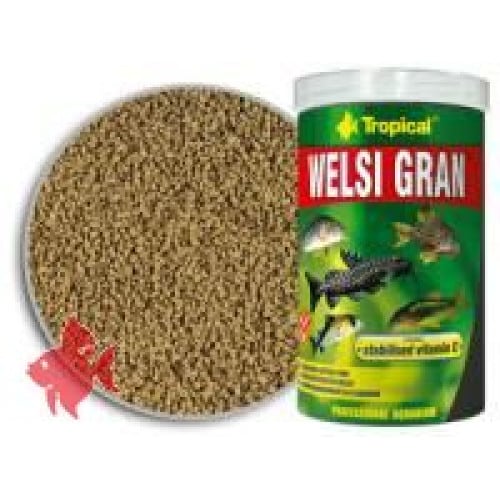
Tropical Welsi Granulaat 100ml
Fast-sinking complete food for animal-feeding bottom fish. First offer a small fitting or crushed granule at dusk and verify ingestion.
Check retailer for price1 retailers
Compare pricesSupplementary foods
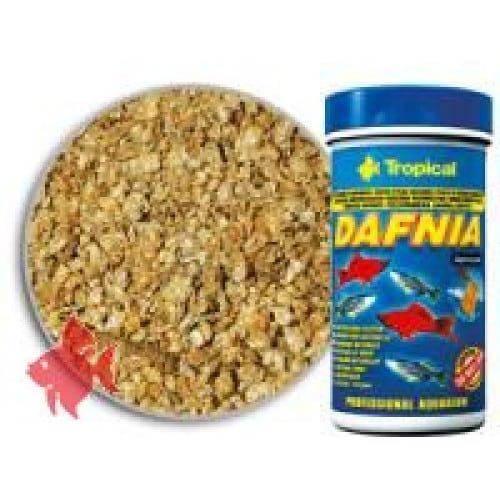
Tropical Dafnia 100ml
Small animal supplement, broken down and briefly soaked to reach the dedicated bottom feeding spot. Verify feeding; not a complete sinking-food replacement.
Check retailer for price1 retailers
Compare pricesWater testing and equipment

Sera - GH test
For checking a water parameter in this care guide. Follow the manufacturer’s test instructions; a test is not a treatment recommendation.
Check retailer for price0 retailers
Compare pricesPrices from the latest retailer update, excluding shipping. Check stock and delivery with the retailer.
Sources & review
This care guide draws on several specialist sources and was last checked on .