Bigspot otocinclus
Otocinclus macrospilus

Otocinclus macrospilus is a small suckermouth catfish that grazes leaves, wood and aquarium glass. This makes it an attractive inhabitant of a planted aquarium, but it is not a maintenance tool to add whenever algae appear. Its most important requirement is a dependable food supply in a biologically mature environment. Fish may arrive thin after transport, and some take time to accept prepared food. A technically cycled aquarium with very little growth on its surfaces is therefore not automatically suitable. This species appreciates company of its own kind and quiet small tankmates. Choose it because you want to care for a group, rather than to solve a stubborn algae problem. Checking body condition and actual feeding remains part of daily care even when the glass looks spotless.
Plan your aquarium →At a glance
- Temperature
- 23–26 °C
- pH
- 6.0–7.5
- GH
- 2–12 °dGH
- Aquarium length
- At least 60 cm
- Adult size
- Approximately 3.5 cm
- Group size
- At least 6 individuals
- Swimming zone
- Bottom, Middle
- Temperament
- Peaceful
- Cover
- Plants and sheltered areas
- Staple food
- Sinking wafers, Algae and natural growth
- Supplementary food
- Algae and natural growth
For a group of at least six, plan an aquarium from sixty centimetres long with abundant mature surfaces. Eighty centimetres allows more widely distributed grazing sites. This is a practical space recommendation, not a promise that enough food will grow automatically. Carrying capacity also depends on growth, maintenance and competition.
About this species
This species stays small at about three and a half centimetres standard length, excluding the tail fin. Its pale body carries a dark lateral stripe and a conspicuous dark patch at the tail base. An enlarged patch helps distinguish it from some relatives, but a single colour marking is not a complete identification.
Trade names such as oto, affinis and dwarf algae eater cover several species. Ask for the scientific name and compare clear side views. This guide concerns Otocinclus macrospilus; measurements of larger relatives are not silently substituted. Mature females often look broader from above. A sunken abdomen is different from a slender male and warrants investigation of feeding, condition and health.
Natural habitat
The species occurs in the upper Amazon region, including Peru, Ecuador and Colombia. Vegetated margins and aquatic plants provide numerous small feeding surfaces. The growth consists of more than visible algae: it is a living community containing various microorganisms.
Recreate useful grazing opportunities with older leaves, wood and safe stones. Avoid scrubbing every surface clean during the same maintenance session. Leaving a side pane covered with growth may be practical. Strong lighting cannot replace a balanced layout: plants, quiet areas and edible growth must coexist. A hurriedly started tank with a single algae-covered stone does not provide lasting food security.
Aquarium and layout
For a group of at least six, plan an aquarium from sixty centimetres long with abundant mature surfaces. Eighty centimetres allows more widely distributed grazing sites. This is a practical space recommendation, not a promise that enough food will grow automatically. Carrying capacity also depends on growth, maintenance and competition.
Use a mature filter and maintain well-oxygenated water without turning the whole aquarium into a powerful current. Broad leaves and branched wood provide feeding and resting sites at different heights. Protect intakes and inspect ornaments for tight openings that could trap fish. Select active, well-fed individuals and prepare any quarantine accommodation with suitable daily food and stable conditions too.
Water conditions
This guide uses 23–26 °C, pH 6–7.5 and GH 2–12 for routine care. These are moderate choices within published maintenance ranges. Stability and adequate oxygen matter more than pursuing one exact acidic reading.
Measure conditions before adding fish. Ammonia and nitrite should be undetectable. Maintain the aquarium without compromising filtration and biological maturity. Oxygen supply deserves particular attention at higher temperatures. Rapid breathing, abandoning resting surfaces or sudden weight loss call for investigation. Do not automatically diagnose insufficient algae and add food blindly: health and water-quality problems may occur together.
Behaviour and group size
Otocinclus macrospilus is a peaceful social fish often found alongside its own kind. Keep at least six, but do not buy more than you can feed sustainably. An aquarium with inadequate food must first be made suitable; allowing fish to starve to satisfy a group-size target is no solution.
Small quiet schooling fish are usually better companions than large energetic feeders. Even peaceful bottom fish may reach tablets first, so observe who actually uses each feeding site. Avoid predators and fish that peck at their bodies. Healthy plants are not normally destroyed as coarse food. Nor is this species a reliable treatment for every algae type: hard deposits and black beard algae may remain. A combination can appear socially peaceful yet fail through food competition.
Feeding
Natural surface growth underpins grazing. Supplement it with an appropriate complete food oriented towards plant-eating fish that these individuals demonstrably accept, such as a suitable algae food or gel food spread on a surface. Not every oto immediately recognises the same tablet. Watch feeding and ensure abdominal condition is maintained.
A suitable piece of vegetable can be an extra, but cucumber alone is not a complete diet. Remove leftovers before they impair water quality. Large quantities of animal food are unsuitable as the normal foundation for this grazer. Do not leave the group dependent on scraps intended for other fish. Distribute supplements in quiet places and change one feeding variable at a time when acceptance is poor, so you can identify what really works.
Breeding
Otocinclus breeding has been reported, but hobby accounts cannot always be assigned to this exact species. A dependable universal recipe for Otocinclus macrospilus is therefore unjustified. Rounded mature females and small adhesive eggs on plants or glass may indicate reproduction; do not expect guarding parents.
To retain fry, first prepare safe, biologically mature rearing accommodation. The tiny young require accessible fine food and surface growth. Protect filter intakes and avoid removing all feeding surfaces during cleaning. Record identification, conditions and observations carefully. Do not impose major cold shocks on the strength of an isolated breeding story. Sustaining healthy adult fish comes first; an unexpected spawning does not establish that successful rearing is assured.
Keeping with other species

Cardinal tetra
Suitable with conditionsLittle mutual threat, but Otocinclus needs mature grazing surfaces. Check its food intake separately from the tetras. Shared profile: 24–26 °C; pH 6–7; GH 2–8. Layout recommendation: from 80 cm.
View species profile →
Rummy-nose tetra
Suitable with conditionsOtocinclus cannot rely on a food-poor new tank. Keep quiet mature grazing patches beside the swimming lane and prevent the fast school stealing food. Shared profile: 24–26 °C; pH 6–6.5; GH 2–4. Layout recommendation: from 120 cm.
View species profile →
Endler's livebearer
Not recommendedThe selected hard-water Endler profile does not overlap the softer Otocinclus range. Active livebearers can also steal targeted food.
View species profile →
Honey gourami
Suitable with conditionsCalm behaviour helps, but use a mature tank with established grazing. Keep surface access clear and give Otocinclus accepted dedicated food. Shared profile: 24–26 °C; pH 6–7.5; GH 4–12. Layout recommendation: from 100 cm.
View species profile →
Dwarf gourami
Suitable with conditionsOtocinclus mainly uses surfaces but may be chased by a nesting gourami. Provide planted retreats and monitor grazer condition. Shared profile: 25–26 °C; pH 6–7.5; GH 6–12. Layout recommendation: from 100 cm.
View species profile →
Panda cory
SuitableCalm species using different food resources. Keep open sand for pandas and mature grazing surfaces for Otocinclus; feed each appropriately. Shared profile: 23–24 °C; pH 6–7.2; GH 2–12. Layout recommendation: from 80 cm.
View species profile →
Sterba's cory
SuitableSeparate sand feeding and planted grazing areas reduce competition. Use Sterbai’s cooler overlap and check Otocinclus maintains condition. Shared profile: 24–26 °C; pH 6–7.2; GH 2–12. Layout recommendation: from 100 cm.
View species profile →
Bronze cory
SuitableDifferent foraging modes help, but neither lives on leftovers alone. Keep sand, mature growth and separately monitored feeding. Shared profile: 23–26 °C; pH 6.5–7.5; GH 4–12. Layout recommendation: from 100 cm.
View species profile →
Kuhli loach
SuitableGrazers and nocturnal bottom foragers can coexist calmly. A mature aquarium is essential; provide different suitable foods for each. Shared profile: 23–25 °C; pH 6–7; GH 2–8. Layout recommendation: from 100 cm.
View species profile →
Chili rasbora
SuitableBoth are small and calm with different food resources. Mature grazing, fine shelter and targeted microfood are needed for two proper groups. Shared profile: 24–26 °C; pH 6–6.8; GH 2–6. Layout recommendation: from 80 cm.
View species profile →
Cockatoo dwarf cichlid
Suitable with conditionsOtocinclus may be chased during breeding. Provide planted grazing outside cave territories and a plan to separate catfish or cichlids. Shared profile: 24–25 °C; pH 6–7.5; GH 5–12. Layout recommendation: from 100 cm.
View species profile →Suitable plants

Dwarf Anubias
Allow safe biofilm on leaves; plants alone do not prove sufficient nutrition. Sturdy Anubias leaves provide sheltered surfaces. Attach the rhizome to wood without burying; gentle light, no compulsory CO₂. Shared profile: 23–26 °C; pH 6–7.5.
- Light
- Low, Moderate
- CO₂
- CO₂ injection not needed

Straight vallisneria
Allow safe biofilm on leaves; plants alone do not prove sufficient nutrition. Ribbon leaves form a tall backdrop. Moderate to strong light, no compulsory CO₂; remove runners from open swimming or feeding areas. Shared profile: 23–26 °C; pH 6–7.5.
- Light
- Moderate, High
- CO₂
- CO₂ injection not essential
Suitable products
Recommended staple foods
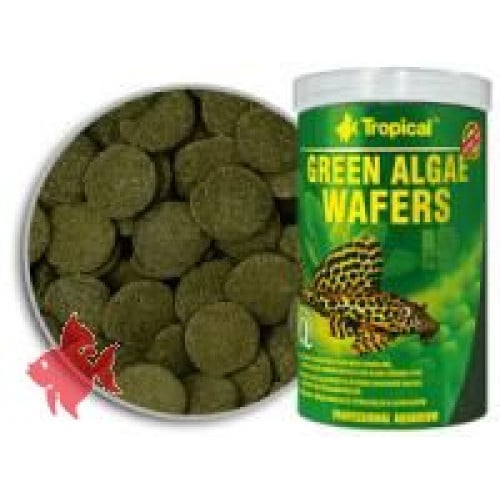
Tropical Green Algea Wafers 1000ml
Plant-oriented sinking wafers for rasping alongside natural biofilm. Test a small piece first; not every Otocinclus accepts them. Large pack, very small portions.
Check retailer for price1 retailers
Compare pricesSupplementary foods
No separate supplementary shop food approved. Natural biofilm remains essential; vegetables are not a complete diet and arbitrary animal food is not linked.
Water testing and equipment
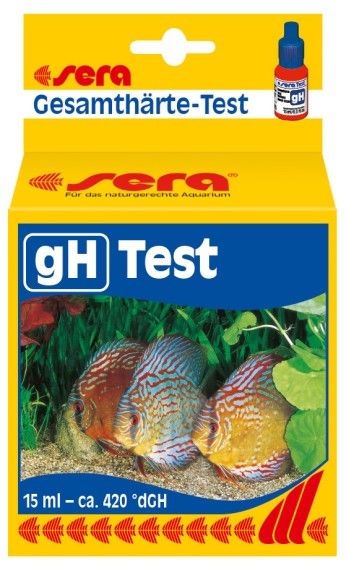
Sera - GH test
For checking a water parameter in this care guide. Follow the manufacturer’s test instructions; a test is not a treatment recommendation.
Check retailer for price0 retailers
Compare pricesPrices from the latest retailer update, excluding shipping. Check stock and delivery with the retailer.
Sources & review
This care guide draws on several specialist sources and was last checked on .
View the sources
- Eschmeyer’s Catalog of Fishes — Otocinclus macrospilus — valid name and distribution
- Schaefer (1997) — The Neotropical cascudinhos: systematics and biogeography of Otocinclus
- Seriously Fish — Otocinclus macrospilus — maintenance and identification
- Aquarium Co-Op — Otocinclus care — feeding observations
- Fluval — Species Spotlight — Otocinclus