Cockatoo dwarf cichlid
Apistogramma cacatuoides

The cockatoo dwarf cichlid, Apistogramma cacatuoides, combines an impressive dorsal fin with fascinating territorial behaviour. Males of selectively bred colour forms can carry extensive red or orange in their fins, but successful care is about more than colour. This small cichlid divides the bottom into living and breeding areas, and a female tending eggs may behave much more fiercely than the same fish outside breeding. A male and female do not automatically form a permanently harmonious couple either. Shelter, interrupted sight lines and a workable way to separate a harassed fish should therefore be prepared beforehand. Ordinary captive-bred stock is often more adaptable than some specialist Apistogramma species, but it is not a carefree addition to every community aquarium. This guide addresses the usual aquarium form; wild fish need particularly reliable origin records and matching water information.
Plan your aquarium →At a glance
- Temperature
- 24–25 °C
- pH
- 6.0–7.5
- GH
- 5–15 °dGH
- Aquarium length
- At least 80 cm
- Adult size
- Approximately 5–7.5 cm
- Group size
- At least 2 individuals
- Swimming zone
- Bottom
- Temperament
- Territorial, May eat shrimp
- Cover
- Suitable plants, Caves and narrow shelters, Wood
- Staple food
- Fine flakes, Small granules
- Supplementary food
- Live food, Frozen food, Finely crumbled dried natural food
For a compatible pair, we use eighty centimetres aquarium length as a practical minimum. One hundred centimetres or more provides a more comfortable division of territories. A male with several females needs additional separated bottom areas and should not automatically be planned around the same minimum.
About this species
Males generally have noticeably extended dorsal-fin rays and grow larger than females. Allow about seven and a half centimetres standard length, excluding the tail fin, for adult males; females usually remain around five centimetres. A breeding female may become strongly yellow with contrasting black markings.
Trade names such as double red or orange describe selected colour forms, not separate species. Fin quality, body shape and normal behaviour matter more than the amount of red. Apistogramma cacatuoides is the valid scientific name. Early claims of a Surinamese type locality were corrected; do not use them to explain aquarium layout or a commercial line's origin. Keep breeder or importer information, especially if you later distribute offspring.
Natural habitat
The species occurs in the upper Amazon region. Quiet tributaries, streams and sheltered areas with leaves and other bottom material provide suitable habitat. Water colour and composition differ between locations; treating every Apistogramma as an inhabitant of extremely acidic blackwater is too simplistic.
In the aquarium, provide a searchable substrate and several screened locations. Small caves, roots and leaves can establish boundaries. Create routes allowing a subordinate fish to reach another area without passing the dominant animal's only shelter. A beautiful open sand plain without cover is less useful than thoughtfully divided floor space. Preserve maintenance access behind and beneath the decoration.
Aquarium and layout
For a compatible pair, we use eighty centimetres aquarium length as a practical minimum. One hundred centimetres or more provides a more comfortable division of territories. A male with several females needs additional separated bottom areas and should not automatically be planned around the same minimum.
Use fine sand, multiple suitable caves and plants or wood to break sight lines. Do not place every cave together facing the same spot. A female must be able to retreat without becoming trapped. Provide gentle to moderate flow and stable biological filtration. Additional bottom fish reduce available territory even when water requirements overlap. Keep a workable separation plan: adding decoration alone does not resolve every case of persistent harassment.
Water conditions
For ordinary captive-bred stock we choose 24–25 °C, pH 6–7.5 and GH 5–15. This is a moderate maintenance profile. Much lower pH values mentioned for certain wild populations or particular breeding attempts are not universal requirements for all trade fish.
Ask about the conditions in which the fish grew up and make changes gradually. Good water quality is essential where they rest and eat. Remove leftovers near caves without unnecessarily disturbing a brooding female. Low pH does not compensate for pollution. Check temperature and filtration when behaviour changes, and avoid rapid fluctuations caused by repeatedly adding different treatments.
Behaviour and group size
This is a territorial species that can form a harem arrangement in spacious, well-divided accommodation. A carefully monitored pair is often easier to manage in a domestic aquarium. Two in the summary describes that arrangement, not an obligatory shoal or a guarantee that random individuals will accept each other.
Quiet fish higher in the water may be suitable, but miniature species and young shrimp face predation. During brood care, even harmless bottom fish are chased. Corydoras-type catfish may repeatedly cross a boundary they do not recognise. Avoid casually accumulating bottom dwellers. Watch for fish permanently hiding behind the filter, missing meals or developing damaged fins. Intervention is necessary even if the combination previously appeared peaceful for weeks.
Feeding
The species mainly searches for small animal foods. Provide an appropriate complete food for small carnivorous cichlids, with particles the smaller female can also eat comfortably. Slowly sinking or carefully targeted small pellets are often more practical than food remaining exclusively at the surface.
Suitable small live or frozen foods can supplement the diet. Check that both fish feed and that a shy female can obtain food near her shelter. A dominant male may control several feeding stations when they are too close together. Distribute food strategically instead of simply adding more. Dried water fleas alone are not a complete foundation, and a general algae wafer is not an appropriate staple for this miniature predator.
Breeding
Eggs are usually deposited on a sheltered surface inside a cave. The female tends them and later leads the fry. The male may defend the wider area but is not always tolerated close to the brood. Separation may therefore become necessary even within a previously peaceful pair.
Prepare suitable small first foods and protected filtration before the fry become free-swimming. Offer small portions and verify ingestion rather than merely food presence. Temperature, and in some Apistogramma also pH, can affect sex ratios; this does not justify careless use of extreme conditions. Record strain, water and results. Community breeding introduces additional predation and disturbance, while a separate well-arranged aquarium makes planned rearing easier to monitor.
Keeping with other species

Cardinal tetra
Suitable with conditionsAdult cardinals can occupy upper space above separate bottom territories. Tiny tetras and fry remain vulnerable; reassess during cichlid breeding. Shared profile: 24–25 °C; pH 6–7; GH 5–8. Layout recommendation: from 100 cm.
View species profile →
Rummy-nose tetra
Not recommendedOur selected hardness profiles do not overlap. Apistogramma also defends breeding territories; choose a better-matched school rather than forcing water chemistry.
View species profile →
Guppy
Suitable with conditionsOnly captive stock suited to the shared water profile. Apistogramma eats guppy fry and defends broods; separate bottom territory from calm surface feeding. Shared profile: 24–25 °C; pH 7–7.5; GH 9–15. Layout recommendation: from 100 cm.
View species profile →
Green swordtail
Suitable with conditionsUse captive stock suited to shared water. Swordtail fry can be prey; keep cichlid caves away from the busiest feeding lane. Shared profile: 24–25 °C; pH 7–7.5; GH 10–15. Layout recommendation: from 150 cm.
View species profile →
Dwarf gourami
Not recommendedTwo territorial breeders leave few safe retreats in an ordinary tank. Different swimming layers do not prevent all conflict or blocked feeding.
View species profile →
Sterba's cory
Not recommendedBoth use the bottom; corys do not reliably respect breeding territories. Repeated attacks can follow, especially around cichlid caves.
View species profile →
Bigspot otocinclus
Suitable with conditionsOtocinclus may be chased during breeding. Provide planted grazing outside cave territories and a plan to separate catfish or cichlids. Shared profile: 24–25 °C; pH 6–7.5; GH 5–12. Layout recommendation: from 100 cm.
View species profile →
Siamese fighting fish
Not recommendedTwo territorial fish needing calm feeding can continually obstruct each other. Different layers are no guarantee; choose calmer companions for each.
View species profile →
Neon tetra
Suitable with conditionsAdult neons only in the cooler shared profile with escape space. Young neons can become prey; cichlid breeding changes territorial pressure. Shared profile: 24–25 °C; pH 6–7; GH 5–8. Layout recommendation: from 100 cm.
View species profile →Suitable plants

Java fern
Plants break sightlines but do not replace separate breeding caves and escape space. Java fern on wood gives cover without loose substrate cuttings. Keep the rhizome exposed; low to moderate light, no compulsory CO₂. Shared profile: 24–25 °C; pH 6–7.5.
- Light
- Low, Moderate
- CO₂
- CO₂ injection not needed

Water sprite
Plants break sightlines but do not replace separate breeding caves and escape space. Floating fern can provide shade and root shelter. Moderate light, CO₂ not compulsory; never seal the whole surface. Shared profile: 24–25 °C; pH 6.5–7.5.
- Light
- Moderate
- CO₂
- CO₂ injection not essential
Suitable products
Recommended staple foods
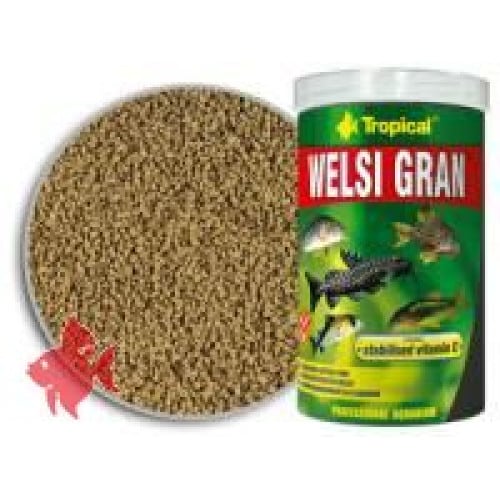
Tropical Welsi Granulaat 100ml
Complete animal-oriented bottom food only if the small granule is accepted. Crush if needed and target-feed the hiding female.
Check retailer for price1 retailers
Compare pricesSupplementary foods
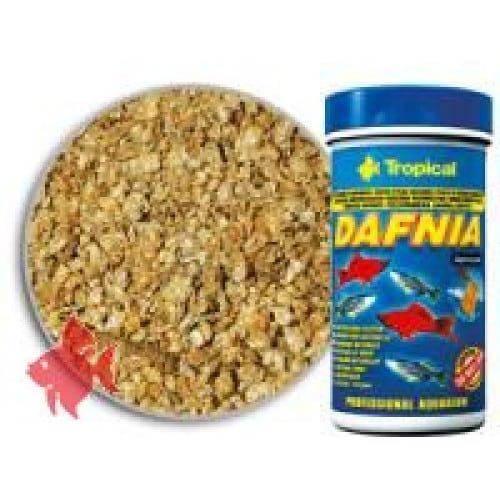
Tropical Dafnia 100ml
Small animal supplement, broken down and briefly soaked to reach the dedicated bottom feeding spot. Verify feeding; not a complete sinking-food replacement.
Check retailer for price1 retailers
Compare pricesWater testing and equipment
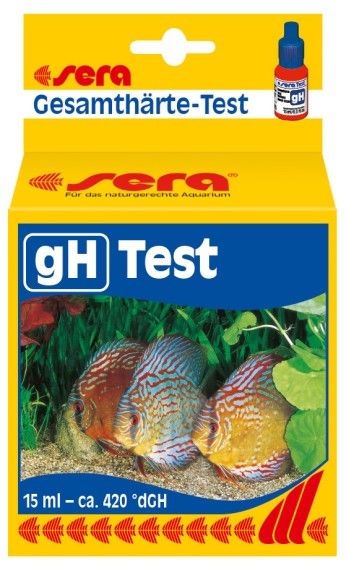
Sera - GH test
For checking a water parameter in this care guide. Follow the manufacturer’s test instructions; a test is not a treatment recommendation.
Check retailer for price0 retailers
Compare pricesPrices from the latest retailer update, excluding shipping. Check stock and delivery with the retailer.
Sources & review
This care guide draws on several specialist sources and was last checked on .
View the sources
- Eschmeyer’s Catalog of Fishes — Apistogramma cacatuoides — taxonomy and corrected locality
- Hoedeman (1951), Naturalis — Apistogramma cacatuoides — original description
- Seriously Fish — Apistogramma cacatuoides — maintenance and reproduction
- LICG — Cichliden — species care table
- AquaInfo — keeper breeding report — Breeding Apistogramma cacatuoides
- Römer & Beisenherz (1996) — Environmental determination of sex in Apistogramma
- FOTAS Fish Tales — Apistogramma husbandry — keeper observations