Sterba's cory
Hoplisoma sterbai

Sterba's cory, Hoplisoma sterbai, stands out through pale spots on a dark head and orange accents on the pectoral fins. This sociable bottom dweller searches for small food particles in a suitable group, alternating activity with shared resting periods. Compared with the panda cory, it is better suited to a somewhat warmer tropical aquarium. That does not make it an automatic addition to every warm tank: oxygenation, free floor space and accessible meals still matter. A large territorial companion can also severely restrict an otherwise peaceful group. Shops often retain the name Corydoras sterbai. Choosing this catfish means deliberately reserving space for several individuals and assessing the whole bottom layer. A filter's rated volume says little about the living space available.
Plan your aquarium →At a glance
- Temperature
- 24–28 °C
- pH
- 6.0–7.2
- GH
- 2–15 °dGH
- Aquarium length
- At least 80 cm
- Adult size
- Approximately 6.5 cm
- Group size
- At least 6 individuals
- Swimming zone
- Bottom
- Temperament
- Peaceful
- Cover
- Plants and sheltered areas
- Staple food
- Sinking tablet, small portions, Small granules
- Supplementary food
- Live food, Frozen food, Finely crumbled dried natural food
For a group of at least six, we choose eighty centimetres of length; one hundred centimetres provides more scope for a larger group and companions. Assess the floor space left after adding wood, rocks and plants. A carpet covering the entire bottom leaves little opportunity for characteristic foraging.
About this species
Standard length can reach approximately six and a half centimetres, excluding the tail fin. Adult females are often broader, particularly when viewed from above. Pale spots on a dark head distinguish it from Brochis haraldschultzi, which has dark markings on a paler head and a longer snout. An orange fin alone is not a conclusive identification feature.
The genus Hoplisoma follows the modern classification of cory catfish; Corydoras sterbai remains a useful former search name. Albino cultivated forms lack the normal head pattern, so take extra care over identity and provenance. The tough body covering does not remove the need for gentle handling: fin spines can become caught in a net. Never force a trapped fish free.
Natural habitat
The species was described from the Guaporé region on the Brazil–Bolivia border. Small tributaries and sheltered lowland areas differ from an exposed, fast-flowing river channel. Foraging occurs mainly near the bottom, where shade, shelter and accessible substrate work together.
The aquarium does not need to be stained deep brown. Use roots for shade and open sand patches for searching. Leaves may form part of the layout, but a thick layer of rotting material is not automatically more natural or healthier. Marginal planting provides practical cover. Present these plants as aquarium choices without suggesting that every recommended plant grows at the same wild locality.
Aquarium and layout
For a group of at least six, we choose eighty centimetres of length; one hundred centimetres provides more scope for a larger group and companions. Assess the floor space left after adding wood, rocks and plants. A carpet covering the entire bottom leaves little opportunity for characteristic foraging.
Use fine rounded sand in feeding areas and keep structures stable. Provide circulation and gas exchange without turning every resting place into a powerful jet. Clean beneath overhanging wood, where both fish and food remnants gather. Leave a route to the surface for occasional air gulping. A large enough filter cannot compensate for inadequate floor space or a lack of peace between occupants.
Water conditions
The maintenance range is 24–28 °C, pH 6–7.2 and GH 2–15. Within this range, Sterba's cory can be kept warmer than a panda, but the upper limit is not a compulsory target. Choose conditions suitable for the other inhabitants as well.
Warm water and heavy stocking call for additional attention to oxygen and organic waste. Check filter flow, surface movement and water readings when several fish breathe abnormally. A quick trip upwards can be normal; frequent agitation across the group is different. Make water changes support stable quality, using prepared water suited to the aquarium. Repeated feeding in an inaccessible corner can create local waste accumulation while the rest of the tank looks well maintained.
Behaviour and group size
A group of six or more of its own species is the starting point. Sterba's corys do not always move in tight formation, but seek each other out and respond to companions' activity. A lone individual among other species loses those opportunities. They are generally peaceful and can share with calm fish in other layers.
Assess dwarf cichlids especially during brood care: both use the bottom, so a guarded clutch can sharply reduce available territory. Larger fish also pose a risk if a young cory fits in their mouth; the spines make such an incident dangerous to both animals. Consider stress and defensive secretions during transport. Ask the shop to package them separately as appropriate and avoid unnecessary catching. Normal coexistence differs from confinement in a small amount of transport water.
Feeding
This catfish needs its own complete bottom-feeding diet, not a job as a cleaner. Choose sinking tablets or small granules accessible on the substrate. Animal ingredients fit its search for small invertebrates; an exclusively algae-food diet is not a sensible default.
Vary meals with suitable small frozen or live foods. Spread food so the largest fish does not monopolise the same tablet. In a busy community, targeted feeding under dimmed lighting may help, provided you can check that the corys eat. Remove persistent leftovers. Watch the belly outline and barbels during quiet observation; a healthy appetite across the group does not rule out a struggling individual.
Breeding
Captive breeding is possible with mature, well-conditioned fish. Males follow a ripe female, and the familiar T-position forms part of spawning. The female attaches adhesive eggs to surfaces including glass and plants. A separate setup makes it easier to protect eggs and fry from companions.
The parents do not guard the clutch. After separating eggs or adults, good hygiene, gentle circulation and safe sponge filtration matter. Once the yolk sac is used up, offer appropriately fine foods such as microworms or small Artemia nauplii and check actual feeding. Sources describe slightly cooler replacement water as a stimulus; this does not justify repeated extreme cold or major shocks. Healthy adults without a spawn are preferable to forced breeding that weakens the fish.
Keeping with other species

Cardinal tetra
SuitableA calm warmer-water school with a separate bottom group. Feed Sterbai sinking complete food; cardinals must not intercept everything. Shared profile: 24–27 °C; pH 6–7; GH 2–8. Layout recommendation: from 100 cm.
View species profile →
Rummy-nose tetra
SuitableOpen swimming above a sand area suits both groups. Protect bottom food from fast rummynoses; keep complete groups of each species. Shared profile: 24–26 °C; pH 6–6.5; GH 2–4. Layout recommendation: from 120 cm.
View species profile →
Green swordtail
Suitable with conditionsOnly in the shared warm, moderately hard range. Sterbai need a full group and feeding spots beneath the busy swimming zone. Shared profile: 24–26 °C; pH 7–7.2; GH 10–15. Layout recommendation: from 150 cm.
View species profile →
Bronze cory
Suitable with conditionsTwo larger cory groups need substantial floor area. Each needs its own companions; a small mixed group is not two complete groups. Shared profile: 24–26 °C; pH 6.5–7.2; GH 4–15. Layout recommendation: from 120 cm.
View species profile →
Bigspot otocinclus
SuitableSeparate sand feeding and planted grazing areas reduce competition. Use Sterbai’s cooler overlap and check Otocinclus maintains condition. Shared profile: 24–26 °C; pH 6–7.2; GH 2–12. Layout recommendation: from 100 cm.
View species profile →
Cockatoo dwarf cichlid
Not recommendedBoth use the bottom; corys do not reliably respect breeding territories. Repeated attacks can follow, especially around cichlid caves.
View species profile →Suitable plants

Straight vallisneria
Keep Sterbai’s sand feeding area clear and establish plants before they are uprooted. Ribbon leaves form a tall backdrop. Moderate to strong light, no compulsory CO₂; remove runners from open swimming or feeding areas. Shared profile: 24–28 °C; pH 6–7.2.
- Light
- Moderate, High
- CO₂
- CO₂ injection not essential

Dwarf ambulia
Keep Sterbai’s sand feeding area clear and establish plants before they are uprooted. Fine stems at the margins provide cover; low to moderate light, optional CO₂. Trim regularly and retain an open swimming lane. Shared profile: 24–28 °C; pH 6–7.2.
- Light
- Low, Moderate
- CO₂
- CO₂ injection not essential
Suitable products
Recommended staple foods
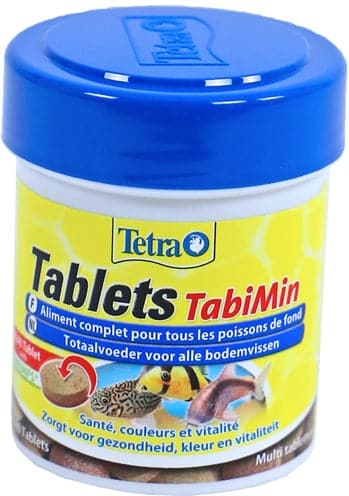
Tetra Tabimin Tabletten Fish food 120 st
Complete bottom food for the Sterbai group. Divide tablets into suitable portions below midwater without leaving residues.
Check retailer for price0 retailers
Compare pricesSupplementary foods
Tropical Dafnia 100ml
Small animal supplement, broken down and briefly soaked to reach the dedicated bottom feeding spot. Verify feeding; not a complete sinking-food replacement.
Check retailer for price1 retailers
Compare pricesWater testing and equipment
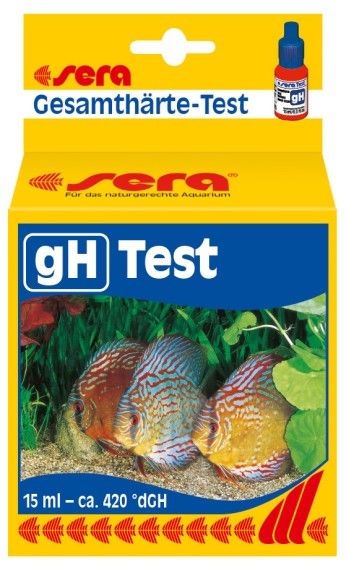
Sera - GH test
For checking a water parameter in this care guide. Follow the manufacturer’s test instructions; a test is not a treatment recommendation.
Check retailer for price0 retailers
Compare pricesPrices from the latest retailer update, excluding shipping. Check stock and delivery with the retailer.
Sources & review
This care guide draws on several specialist sources and was last checked on .
View the sources
- Dias et al. (2024), Zoological Journal of the Linnean Society — Corydoradinae revision — Hoplisoma panda
- LICG — Pantsermeervallen — care guidance
- Federation of British Aquatic Societies — Care sheet 17 — Corydoras and associated species (Source currently unavailable)
- Seriously Fish — Hoplisoma sterbai
- ScotCat — Allan James — Sterba's catfish — identification and keeping