Water sprite
Ceratopteris thalictroides

Water sprite (Ceratopteris thalictroides) is a fast-growing aquatic fern that can be rooted or floated. Its appearance changes with age and growth form. Young leaves may be broad and simple, while later foliage becomes more divided. A photograph of a young plant grown above water therefore need not resemble a mature submerged specimen. It provides substantial cover but also needs room: a small purchase can develop into a wide mass. Decide whether to float or plant it, and prevent its leaves from cutting off light to everything below. Observe the whole plant rather than using a single leaf as your reference.
Plan your aquarium →At a glance
- Difficulty
- Easy
- Plant height
- 15–30 cm
- Growth rate
- Fast
- Placement
- Background, Floating
- Temperature
- 22–30 °C
- pH
- 6.5–7.5
- Light
- Moderate
- CO₂
- Optional
- Nutrient uptake
- Through the water column
- Substrate
- Sand, Gravel
- Propagation
- Plantlets, Spores
About this plant
Ceratopteris thalictroides is an accepted fern species; Acrostichum thalictroides is an older name. Related Ceratopteris species are not automatically interchangeable. Different leaf types include fertile fronds bearing reproductive structures. Broad young or sterile leaves can contrast strongly with later divided forms. Keep the purchase label and compare whole-plant development rather than identifying it from an isolated leaf.
Natural habitat
The species has a wide tropical distribution, occurring in wetlands, ponds and waterside habitats. Still or slow water suits floating growth. A hard filter jet through the roots is unnecessary. Growth above and below water helps explain leaf variation. A practical aquarium need not reproduce every natural water-level change: space and stable conditions are more useful.
Placement in the aquarium
Guidance is 22–30 °C and pH 6.5–7.5. A maintained plant often reaches 15–30 cm high and may spread widely; this is not an absolute biological ceiling. Rooted plants suit the background with the growing base exposed. Floating plants must leave open surface. Do not weigh down the delicate base with a heavy rock. Keep foliage away from hot or dry cover fittings.
Light
Moderate light is a useful starting point, reaching the whole plant. Heavy shade can produce sparse, slower growth. Floating foliage sits nearer the lamp than a rooted rosette, so the same fixture does not create identical conditions. A general start-up duration of 6 hours may increase towards 8 hours when balanced. No defensible species-specific PAR figure is established; consider depth and shading too.
CO₂
CO₂ is optional. Injection may support rapid growth but should not be presented as essential. Floating and submerged forms do not use exactly the same environment. If CO₂ is already supplied, balance light and nutrients and protect the animals. Thin an overcrowded surface first rather than trying to accelerate growth further.
Nutrition and fertilisation
This fast grower uses nutrients from the water and may contribute substantially to plant consumption. It does not replace filtration or water changes. Supply macro- and micronutrients where necessary; fertiliser without nitrate and phosphate does not provide them. Consider total plant mass and stocking. Pale new foliage calls for assessing the full situation rather than automatically adding a large iron dose.
Substrate and root feeding
Floating plants need neither nutrient soil nor root tablets. For rooted specimens, use an appropriate anchoring substrate while keeping the central base clear. Substrate advice therefore depends on placement, not a blanket requirement for rich soil in every fern setup. When moving the plant, support its base and release roots gently instead of pulling a leaf.
Growth and pruning
Fast growth requires regular space checks. Remove damaged old foliage carefully at the base, preserving young leaves. A broad floating specimen can completely shade other plants; thin it or replace an oversized plant with a daughter. Remove fragments before they reach the filter intake. Major pruning also changes shade and nutrient demand, so reassess maintenance afterwards.
Propagation
Plantlets may develop on older fronds. Let them form their own leaves and roots before gentle separation, then float or plant appropriately. Spore reproduction also occurs but is not necessary for ordinary aquarium propagation. A random detached leaf tip is not a developed plantlet. Use healthy material and prevent tiny plants from disappearing behind equipment.
Suitable fish and animals
Floating roots and divided foliage shelter small fish and young animals. Leave access to open water for surface dwellers and ensure food does not remain above a dense canopy. Diggers can dislodge rooted plants; large herbivores can damage soft tissue. Central relations include these conditions rather than water overlap alone, without guaranteeing compatibility among every fish listed.

Guppy
Suitable with conditionsCover helps guppy fry but does not prevent overstocking. Floating fern can provide shade and root shelter. Moderate light, CO₂ not compulsory; never seal the whole surface. Shared profile: 23–25 °C; pH 7–7.5.
View species profile →
Southern platyfish
Suitable with conditionsGaps between stands help adult platies swim and let you count fry. Floating fern can provide shade and root shelter. Moderate light, CO₂ not compulsory; never seal the whole surface. Shared profile: 22–25 °C; pH 7–7.5.
View species profile →
Honey gourami
Suitable with conditionsQuiet corners for honey gouramis; always preserve a route to air. Floating fern can provide shade and root shelter. Moderate light, CO₂ not compulsory; never seal the whole surface. Shared profile: 24–26 °C; pH 6.5–7.5.
View species profile →
Dwarf gourami
Suitable with conditionsBreak sightlines around gourami territories without blocking the surface. Floating fern can provide shade and root shelter. Moderate light, CO₂ not compulsory; never seal the whole surface. Shared profile: 25–27 °C; pH 6.5–7.5.
View species profile →
Cockatoo dwarf cichlid
Suitable with conditionsPlants break sightlines but do not replace separate breeding caves and escape space. Floating fern can provide shade and root shelter. Moderate light, CO₂ not compulsory; never seal the whole surface. Shared profile: 24–25 °C; pH 6.5–7.5.
View species profile →Possible problems
Changed leaf shape after purchase need not mean disease or mistaken identity: age, emersed cultivation and submerged adaptation matter. Soft disintegrating tissue does require inspection and removal. Check for a covered growing base, injury and canopy shade. Manage excessive growth by reducing plant mass deliberately. Do not apply an unsupported chemical treatment for a normal developmental change.
Care for this plant
Plant fertiliser
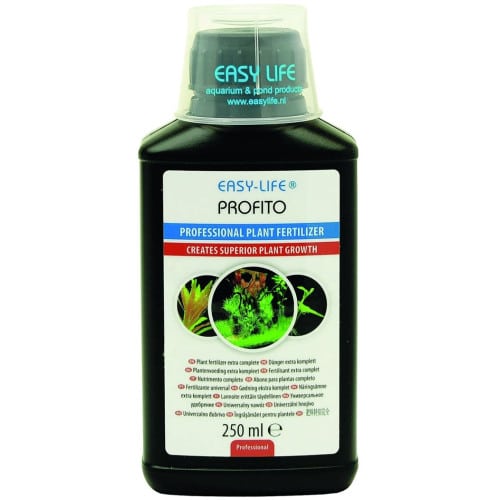
Easy Life ProFito 250ml
OptionalAccessible water nutrients, including for floating growth. No nitrate or phosphate; match supplementation to growth and existing nutrients.
Check retailer for price0 retailers
Compare prices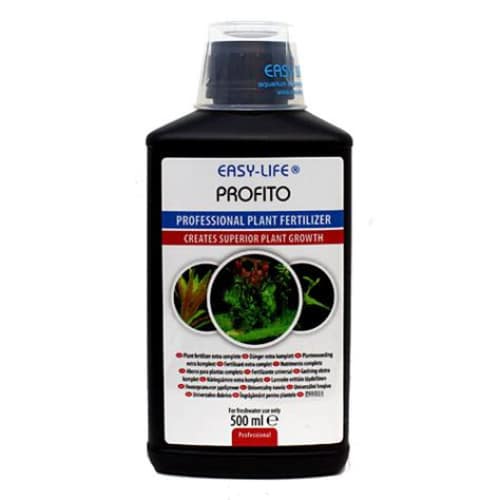
Easy Life ProFito 500ml
OptionalAn optional suitable product type; use according to manufacturer instructions and measured need.
Check retailer for price0 retailers
Compare pricesCO₂ equipment
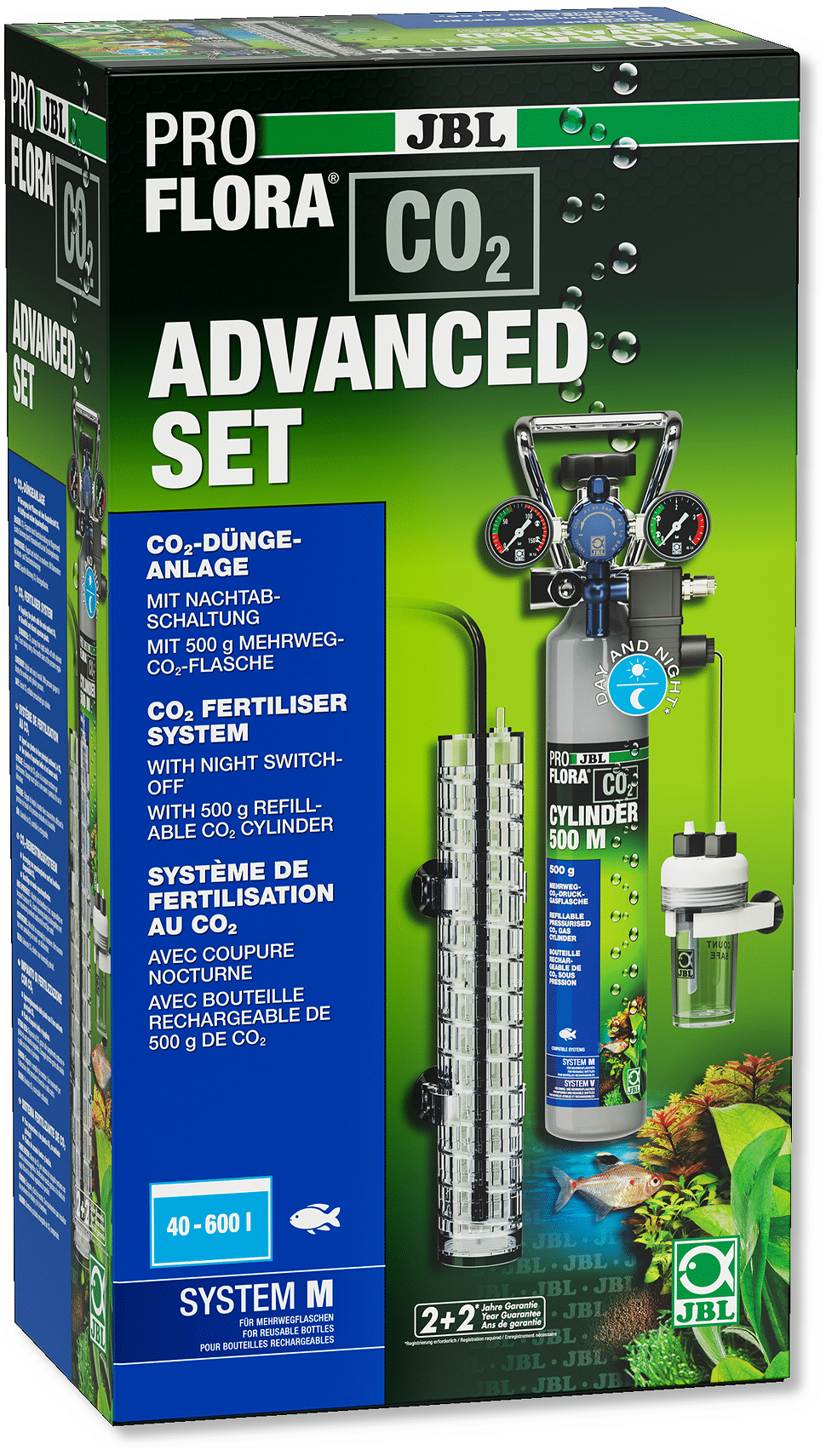
Jbl - Proflora CO2 Advanced Set M
OptionalOptional gas CO₂ system for a deliberate faster-growth setup, not essential for this plant. Manufacturer range 40–600 L; assess operation and safety separately.
Check retailer for price0 retailers
Compare pricesTools
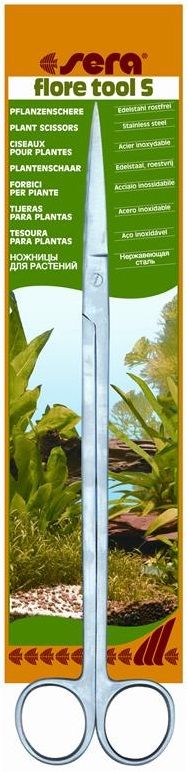
Sera Flore Tool S plantenschaar
OptionalScissors to remove damaged leaves near their base while protecting the growing point.
Check retailer for price0 retailers
Compare pricesPrices from the latest retailer update, excluding shipping. Check stock and delivery with the retailer.
Lighting has been investigated but is not yet linked: available specifications do not adequately establish light class and coverage at plant depth.
Sources & review
This care guide draws on several specialist sources and was last checked on .