Green wendtii crypt
Cryptocoryne wendtii 'Green'

Green wendtii crypt (Cryptocoryne wendtii 'Green') forms a rosette of green leaves emerging from a central base. It provides a settled lower layer in a planted aquarium and needs less trimming than fast stems. Give it a permanent position: old leaves may melt after transplanting while healthy roots later produce new growth. This is not a reason to immediately pull out every root or add treatments. Final shape depends on light, space and growing conditions. In an open position the leaves may spread widely and stay low, so allow space around the rosette as well as above it.
Plan your aquarium →At a glance
- Difficulty
- Easy
- Plant height
- 10–30 cm
- Growth rate
- Moderate
- Placement
- Foreground, Midground
- Temperature
- 20–28 °C
- pH
- 5.0–8.0
- Light
- Low, Moderate
- CO₂
- Optional
- Nutrient uptake
- Through roots and water
- Substrate
- Sand, Gravel, Aquasoil
- Propagation
- Runners
About this plant
'Green' is a named green aquarium form of Cryptocoryne wendtii, not a separate wild species. Other wendtii forms may be browner or narrower. Some variation in leaf shape and colour is normal. This is a rooted rosette, planted in the substrate rather than attached like an exposed Anubias rhizome. Protect the central growing point during planting.
Natural habitat
Cryptocoryne wendtii comes from Sri Lanka. The cultivated form retains the adaptability of a waterside and aquatic plant. Leaves grown above water may not immediately suit permanent submerged growth. Changes after purchase therefore do not reflect aquarium quality alone. A stable transition, an undisturbed root zone and time matter more than recreating an unknown collection site.
Placement in the aquarium
Use 20–28 °C and pH 5–8 as broad cultivation guidance. Leaf height commonly falls within 10–30 cm, depending on position and growth. Choose foreground or midground according to tank size. Gently insert the roots and keep the rosette base at the substrate surface. Prevent neighbours from immediately shading it. Avoid repeatedly moving an established, healthy plant.
Light
Low to moderate light can suffice; growers differ on the optimum intensity. Stronger light may produce a more compact shape but also increases the importance of carbon and nutrients. Weak light combined with deep shade can delay recovery. Provide even illumination and inspect new leaves. Starting with 6 hours, possibly later 8 hours, is general management rather than a species measurement. No substantiated PAR range is available.
CO₂
CO₂ is optional. The plant can be maintained without injection, although an existing stable supply may support growth. A grower’s higher CO₂ recommendation does not mean every aquarium requires equipment. Match lighting to your chosen approach. Following leaf loss, extra CO₂ is not the first diagnosis or treatment: check the roots and base and allow regrowth.
Nutrition and fertilisation
Its developed roots make substrate nutrition relevant, while nutrients in the water also contribute to the aquarium. Consider macronutrients and trace elements without treating iron as a universal remedy for pale leaves. Targeted root feeding may help in old, nutrient-poor sand or gravel. A rich substrate does not automatically need another full dose. Check composition and instructions.
Substrate and root feeding
Use a substrate that supports root development and anchors the rosette. A nutrient layer beneath a suitable cap is an option, not a requirement. Aquasoil may alter water chemistry and must also suit the fish. Remove excess growing material rather than packing it around the base. Keep the growing point clear and avoid repeatedly disturbing the ground beside established roots.
Growth and pruning
Growth is usually moderate. Remove badly damaged leaves at the base without pulling young stalks. If leaves become translucent or soft after a change, remove loose debris but assess the root zone separately: a healthy base can recover. Do not trim the whole rosette across the leaf tips like grass. Give daughter plants space or thin them selectively.
Propagation
Runners produce daughter rosettes. Allow a young plant to develop roots and adequate leaves before separating it. Avoid pulling hard on a runner extending through the substrate; expose the connection gently and cut if necessary. Replant in a sheltered position. Let a weakened specimen recover before dividing it merely to increase numbers.
Suitable fish and animals
Small peaceful fish find shelter between rosettes while retaining swimming space above. Bottom dwellers still need open feeding and resting areas. Diggers may uproot new plants and large herbivores may damage leaves. Dense planting does not replace species-appropriate habitat. Central links consider water conditions and space, without implying that all linked fish form a safe community together.

Neon tetra
SuitableLeaf rosettes provide lower-level cover at 23–25 °C in slightly acidic water. Leave space around each rosette and supply root nutrients as needed. Leaves may temporarily melt after moving.
View species profile →
Harlequin rasbora
SuitableA marginal Cryptocoryne group provides cover without filling midwater. Root in the substrate; a practical planting, not an exact biotope.
View species profile →
Ember tetra
SuitableDense low rosettes create safe margins for the small group. Suitable at 23–26 °C; retain open swimming and feeding areas.
View species profile →
Siamese fighting fish
SuitableLow marginal planting breaks sightlines without sealing the surface. Fits 24–28 °C; root in substrate, injected CO₂ not essential.
View species profile →
Freshwater angelfish
SuitableLow Cryptocoryne provides cover beneath tall roots at 24–28 °C. Adult angels still need additional tall structure.
View species profile →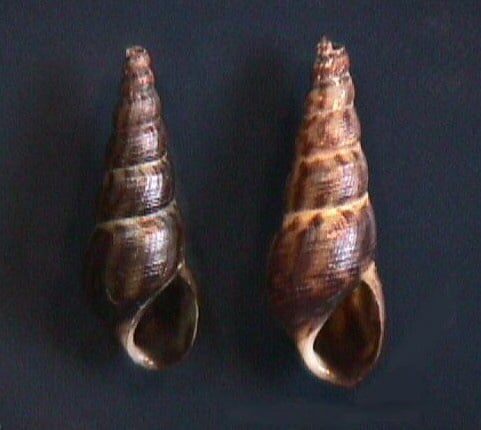
Malaysian trumpet snail
Suitable with conditionsThe Cryptocoryne wendtii rosette shelters the substrate. Let roots establish and retain an open feeding route alongside it. Anchor new plants; burrowing or movement may dislodge loose roots.
View species profile →
Matano rabbit snail
Suitable with conditionsThe Cryptocoryne wendtii rosette shelters the substrate. Let roots establish and retain an open feeding route alongside it. Retain open sand for the long shell; a dense carpet is less useful here.
View species profile →
Orange Mexican dwarf crayfish
Suitable with conditionsThe Cryptocoryne wendtii rosette shelters the substrate. Let roots establish and retain an open feeding route alongside it. Anchor new plants; burrowing or movement may dislodge loose roots.
View species profile →Possible problems
Melting after relocation is a familiar concern, but not every brown leaf has the same cause. Check sudden changes, buried growing points, injured roots and competition for light. Remove decaying leaves while retaining healthy parts. Persistent poor recovery calls for a broader assessment of nutrients and water management. Repeated moves between shade and bright light force further adaptation.
Care for this plant
Plant fertiliser
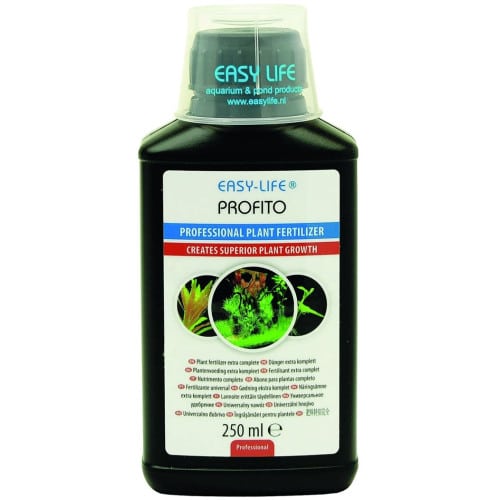
Easy Life ProFito 250ml
OptionalAdds water-column potassium and trace elements alongside suitable root nutrition for the rosette. Not a replacement for all macronutrients.
Check retailer for price0 retailers
View retailers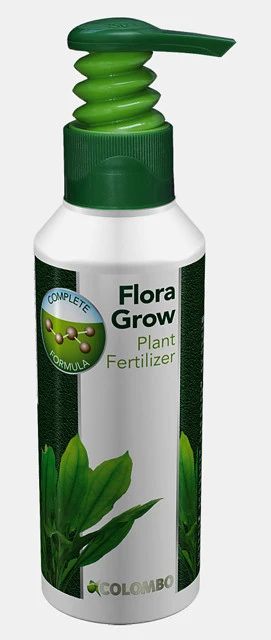
Flora grow 500ml
OptionalCryptocoryne wendtii 'Green' is a rooted rosette plant that also takes up water-column nutrients. This 500 ml variant provides optional water-column nutrition; adjust dosing to growth and existing fertilisation.
Check retailer for price0 retailers
View retailers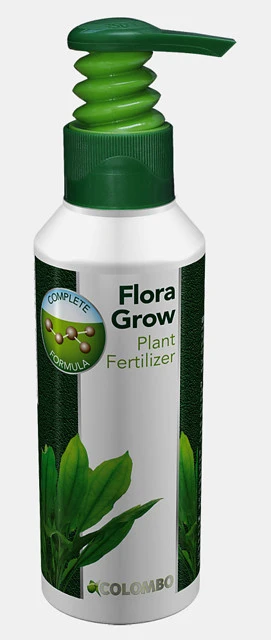
Flora grow 250ml
OptionalCryptocoryne wendtii 'Green' is a rooted rosette plant that also takes up water-column nutrients. This 250 ml variant provides optional water-column nutrition; adjust dosing to growth and existing fertilisation.
Check retailer for price0 retailers
View retailers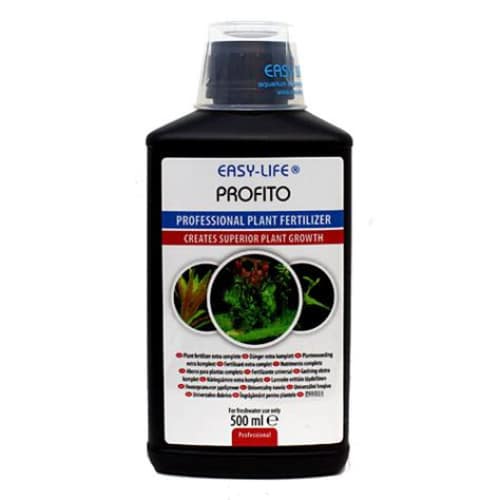
Easy Life ProFito 500ml
OptionalAn optional suitable product type; use according to manufacturer instructions and measured need.
Check retailer for price0 retailers
View retailersNutrient substrate
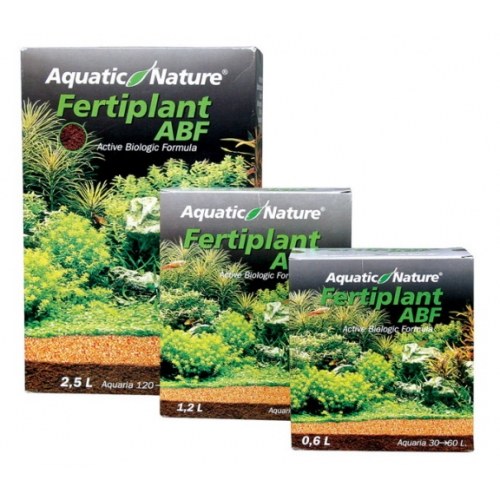
Aquatic Nature FertiPlant ABF 1.2L
OptionalOptional nutrient underlayer when setting up for this rooted rosette. Cover appropriately; no nitrate or phosphate. Do not unnecessarily disturb an established substrate.
Check retailer for price0 retailers
View retailers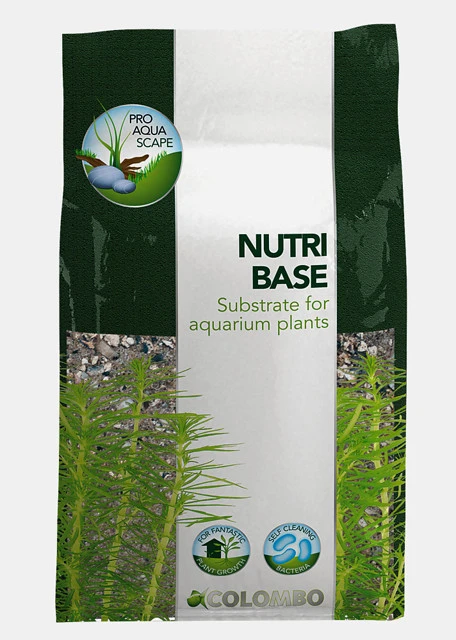
Flora nutri base 5l
OptionalCryptocoryne wendtii 'Green': rooted rosette plant that also takes up water-column nutrients. Nutrient base beneath a covering layer when setting up. 5 l pack; calculate substrate volume and avoid adding it to an already fertilised root zone.
Check retailer for price0 retailers
View retailersAquasoil
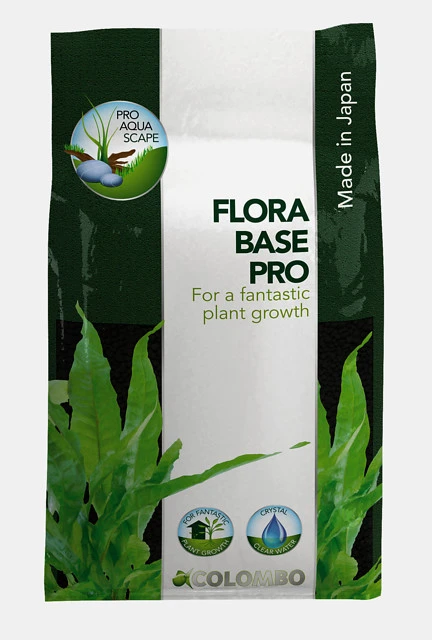
Flora base pro fijn 10l
OptionalCryptocoryne wendtii 'Green': rooted rosette plant that also takes up water-column nutrients. Optional fine root-zone aquasoil; may lower pH towards 6. 10 l pack; calculate substrate volume and check KH and all tank inhabitants.
Check retailer for price0 retailers
View retailers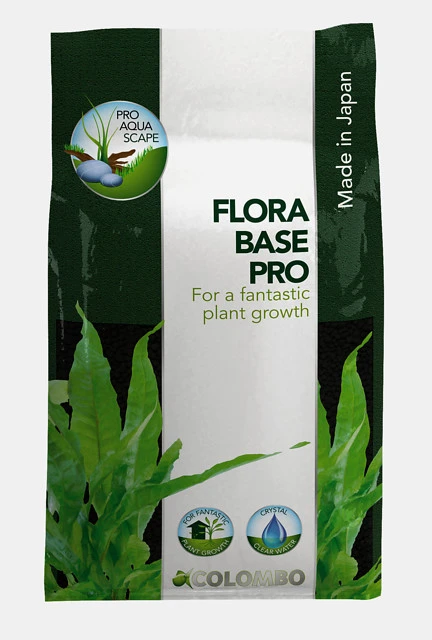
Flora base pro fijn 2.5l
OptionalCryptocoryne wendtii 'Green': rooted rosette plant that also takes up water-column nutrients. Optional fine root-zone aquasoil; may lower pH towards 6. 2.5 l pack; calculate substrate volume and check KH and all tank inhabitants.
Check retailer for price0 retailers
View retailers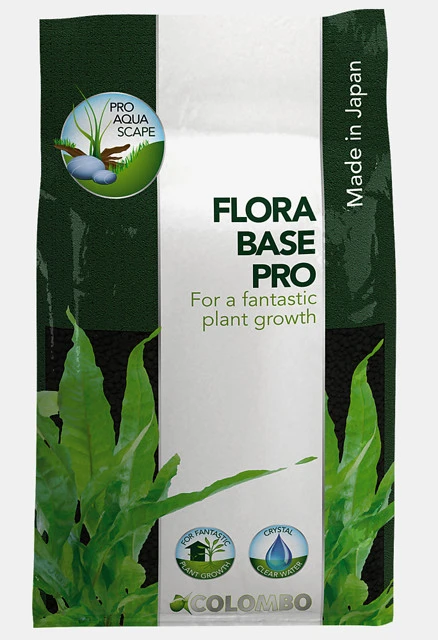
Flora base pro grof 2.5l
OptionalCryptocoryne wendtii 'Green': rooted rosette plant that also takes up water-column nutrients. Optional coarse root-zone aquasoil; may lower pH towards 6. 2.5 l pack; calculate substrate volume and check KH and all tank inhabitants.
Check retailer for price0 retailers
View retailers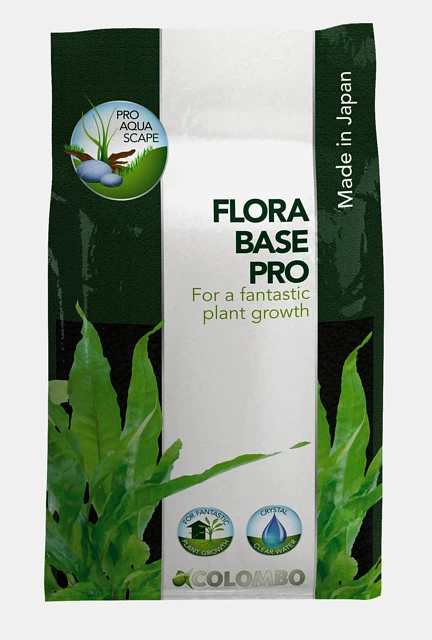
Flora base pro fijn 5l
OptionalCryptocoryne wendtii 'Green': rooted rosette plant that also takes up water-column nutrients. Optional fine root-zone aquasoil; may lower pH towards 6. 5 l pack; calculate substrate volume and check KH and all tank inhabitants.
Check retailer for price0 retailers
View retailers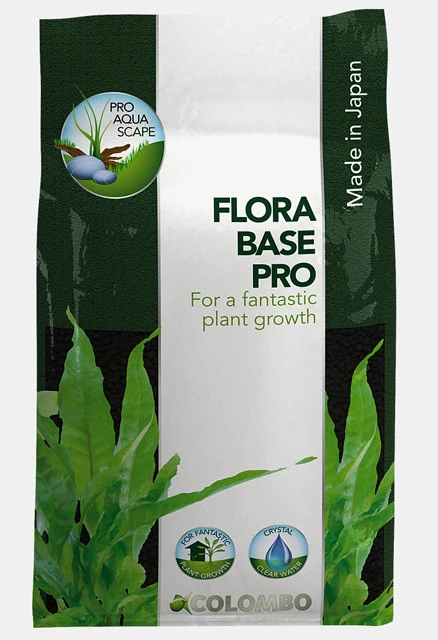
Flora base pro grof 5l
OptionalCryptocoryne wendtii 'Green': rooted rosette plant that also takes up water-column nutrients. Optional coarse root-zone aquasoil; may lower pH towards 6. 5 l pack; calculate substrate volume and check KH and all tank inhabitants.
Check retailer for price0 retailers
View retailersTools
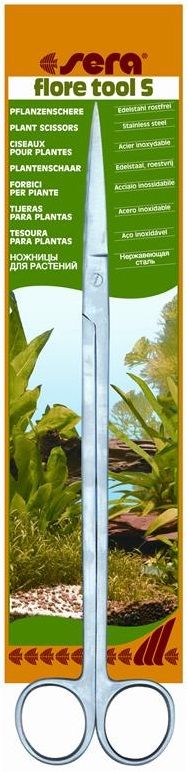
Sera Flore Tool S plantenschaar
OptionalScissors to remove damaged leaves near their base while protecting the growing point.
Check retailer for price0 retailers
View retailersPrices from the latest retailer update, excluding shipping. Check stock and delivery with the retailer.
Lighting has been investigated but is not yet linked: available specifications do not adequately establish light class and coverage at plant depth.
Sources & review
This care guide draws on several specialist sources and was last checked on .