Amazon sword
Aquarius grisebachii

The Amazon sword plant is a striking rosette plant for aquariums where there is really room for a large leaf cluster. According to the taxonomic source used, the species is called Aquarius grisebachii, but is mainly known in the trade as Echinodorus grisebachii and as the large form 'Bleherae'. This guide focuses on those large green aquarium plants, not small-growing cultivars. Long petioles with broad green leaves emerge from a central crown. A young plant can therefore look misleadingly modest. The most important choice is not which extra bottle of nutrition is needed, but whether the plant also gets enough space as an adult. Give the roots a permanent place, keep the crown free and take into account shade on smaller plants.
Plan your aquarium →At a glance
- Difficulty
- Easy
- Plant height
- 20–80 cm
- Growth rate
- Fast
- Placement
- Background
- Temperature
- 22–28 °C
- pH
- 5.0–8.0
- Light
- Low, Moderate
- CO₂
- Optional
- Nutrient uptake
- Through roots and water
- Substrate
- Sand, Gravel, Aquasoil
- Propagation
- Plantlets
About this plant
The leaves grow from one rosette; there are no loose stem tips to replant each time. The trade name Echinodorus remains useful for recognition and search. The switch to Aquarius does not change the care. Shapes and growth sizes differ within the trade. Sources mention smaller maintenance sizes and large adult specimens. The overview uses 20–80 cm to make that space use visible; it is not a prediction of the final height of your specimen.
Natural habitat
The species belongs to the aquatic and marsh plants of tropical America. Living around changing water levels explains why cultivated leaves above water can look different than new aquarium leaves. A plant from a nursery is therefore not always adapted to permanently submerged growth. Include that transition in your assessment. Use natural provenance as a backdrop for design, not as proof that all South American fish can be kept together naturally.
Placement in the aquarium
Choose a spacious spot at the back or as a solitary plant with free space all around. Push the roots into the substrate, but leave the crown where the leaves begin visible. The maintenance profile is 22–28 °C and pH 5–8. We do not add a numerical GH requirement. Before purchasing, check the available height and space for a broad leaf canopy. In a small tank, regular leaf removal cannot always solve the fundamental space problem.
Light
Low to medium light can support healthy growth; the plant can develop its leaves towards the light. Other growers describe brighter conditions for strong production. That is no reason to hang a powerful lamp above everything. Pay particular attention to the shadow that the rosette itself casts on the bottom. Move small plants that require light in a timely manner or thin out old leaves. Coverage and aquarium height remain necessary for an exact lamp choice.
CO₂
Additional CO₂ is optional. The plant can grow usefully without a gas installation, while a balanced container with supply can develop faster and fuller. Faster growth also means more space and maintenance, not just a better result. Adjust any installation to the entire occupancy. A problem with damaged roots or a buried crown is not solved by increasing the CO₂ supply.
Nutrition and fertilisation
This strongly rooted rosette benefits from nutrients in the root zone, but also absorbs substances from the water. Look at the existing soil and fertilizer before adding anything. A nutrient medium, enriched substrate or targeted root product may be appropriate, but does not have to be used at the same time. Check the composition: a product with iron and trace elements does not automatically provide sufficient nitrogen, phosphorus and potassium for the entire aquarium.
Substrate and root feeding
Give the roots enough substrate to develop and prevent them from being pulled loose every time. In an existing nutritious soil, additional tablets are not automatically necessary. In a new installation, a suitable nutrient substrate can be covered with suitable bottom material. Apply root food deeply enough according to the label and avoid direct contact with the crown. Don't dig up healthy established soil just to use a new product.
Growth and pruning
Remove old or heavily shaded leaves as close to the base as possible without damaging the crown. Do not systematically halve all leaf blades: the cut parts will not become an intact leaf again. Thin out gradually and maintain sufficient healthy leaves. Also look under the rosette, where dirt can collect. Moving a large plant is an intervention in the root system and can cause temporary relapse.
Propagation
Well-growing specimens can develop young plants on a flowering or shoot-forming stem. Let them first form their own roots and several leaves before you loosen them. Not every plant does this at the same age or under the same conditions. Cutting the crown in half is not a standard propagation method. It is better to choose a clearly developed daughter plant and give it its own place where the crown remains above the ground.
Suitable fish and animals
Small schooling fish can take shelter along the broad leaves, while the front remains free for swimming and feeding. Neon tetras and harlequin rasboras are examples within appropriate shared water values. Bottom dwellers must maintain sufficient open soil. Burrowing behavior can loosen young plants; large herbivores can damage the leaves. Broad leaves can also become spawning areas for some fish, making territorial behavior around the plant more important.

Neon tetra
Suitable with conditionsBroad leaves provide cover, but the mature rosette can occupy considerable space. Use a spacious rear corner, preserve swimming length and an open feeding area, and account for mature leaf height. Retain the neon tetra school and calm, shaded swimming space.
View species profile →
Harlequin rasbora
Suitable with conditionsBroad leaves provide cover, but the mature rosette can occupy considerable space. Use a spacious rear corner, preserve swimming length and an open feeding area, and account for mature leaf height. Preserve uninterrupted swimming length for the harlequin rasbora school.
View species profile →
Pygmy cory
Suitable with conditionsBroad leaves provide cover, but the mature rosette can occupy considerable space. Use a spacious rear corner, preserve swimming length and an open feeding area, and account for mature leaf height. Pygmy corydoras also use the bottom: retain soft, open substrate for foraging and an accessible feeding area.
View species profile →Possible problems
After planting, old nursery leaves may die. Check whether the crown remains firm and forms new leaves before writing off the entire plant. Holes or pale spots have several possible causes; a photo alone does not warrant a specific nutritional diagnosis. Check animal damage, root condition and existing nutrition. If the rosette becomes permanently too large, choose a more suitable plant instead of permanently filling the aquarium with damaged leaves.
Care for this plant
Plant fertiliser
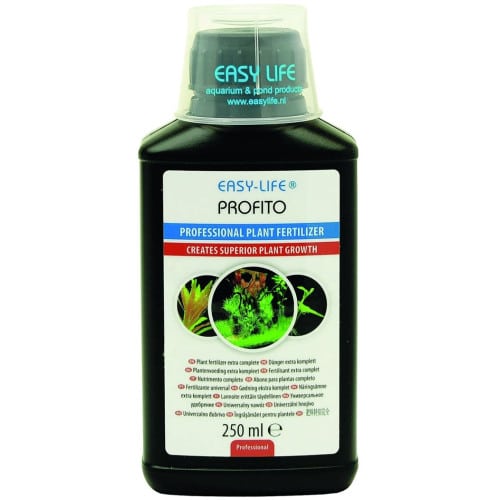
Easy Life ProFito 250ml
OptionalLiquid potassium and trace nutrients available through the water. Contains no nitrate or phosphate. Adapt supplementation to existing nutrients and plant growth; no automatic extra dosing.
Check retailer for price0 retailers
View retailers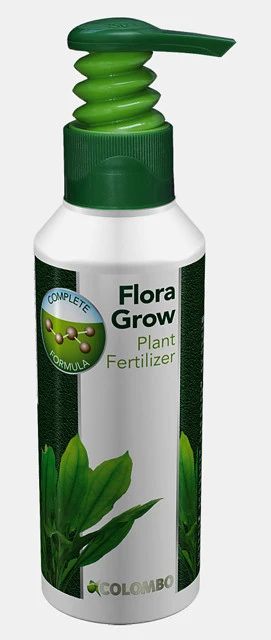
Flora grow 500ml
OptionalAquarius grisebachii is a large rosette plant with a strong root system. This 500 ml variant provides optional water-column nutrition; adjust dosing to growth and existing fertilisation.
Check retailer for price0 retailers
View retailers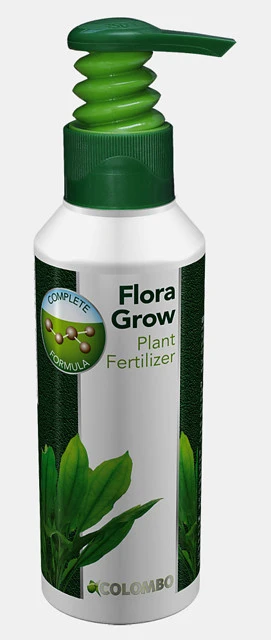
Flora grow 250ml
OptionalAquarius grisebachii is a large rosette plant with a strong root system. This 250 ml variant provides optional water-column nutrition; adjust dosing to growth and existing fertilisation.
Check retailer for price0 retailers
View retailers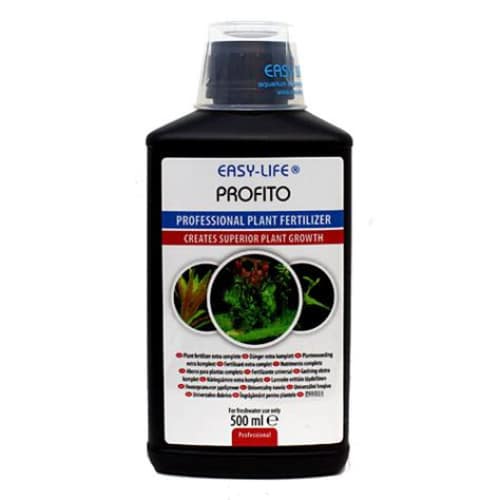
Easy Life ProFito 500ml
OptionalAn optional suitable product type; use according to manufacturer instructions and measured need.
Check retailer for price0 retailers
View retailersNutrient substrate
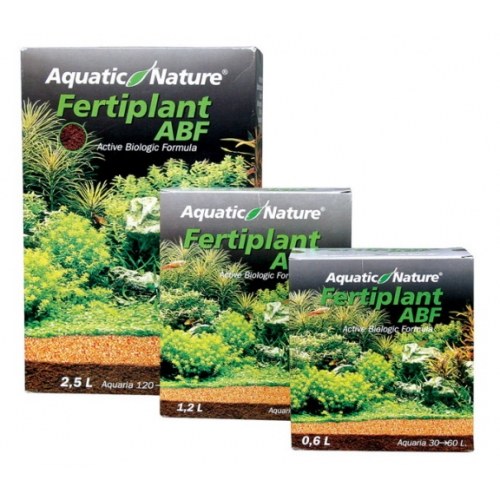
Aquatic Nature FertiPlant ABF 1.2L
OptionalNutrient substrate for a plant that also absorbs nutrients through its roots. Primarily for a new setup beneath a suitable covering layer. Not a root tablet; assess existing substrate nutrition first.
Check retailer for price0 retailers
View retailers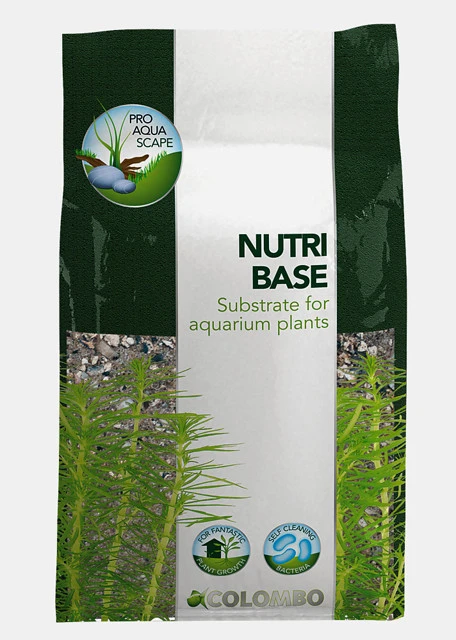
Flora nutri base 5l
OptionalAquarius grisebachii: large rosette plant with a strong root system. Nutrient base beneath a covering layer when setting up. 5 l pack; calculate substrate volume and avoid adding it to an already fertilised root zone.
Check retailer for price0 retailers
View retailersAquasoil
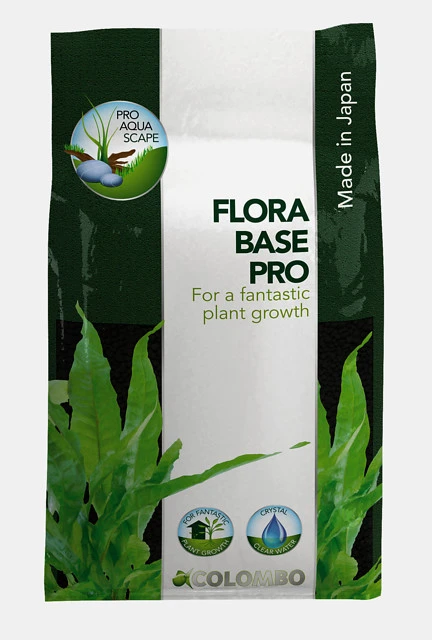
Flora base pro fijn 10l
OptionalAquarius grisebachii: large rosette plant with a strong root system. Optional fine root-zone aquasoil; may lower pH towards 6. 10 l pack; calculate substrate volume and check KH and all tank inhabitants.
Check retailer for price0 retailers
View retailers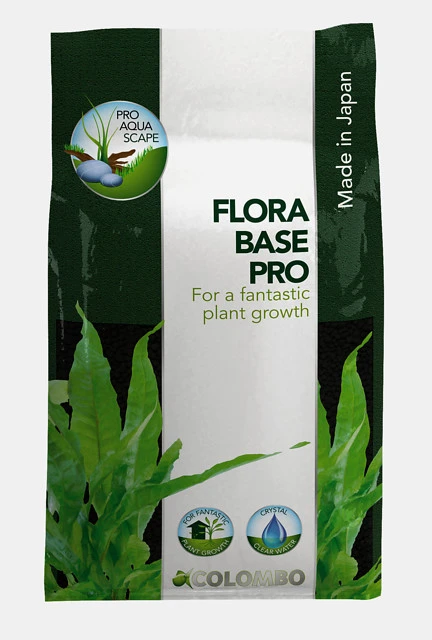
Flora base pro fijn 2.5l
OptionalAquarius grisebachii: large rosette plant with a strong root system. Optional fine root-zone aquasoil; may lower pH towards 6. 2.5 l pack; calculate substrate volume and check KH and all tank inhabitants.
Check retailer for price0 retailers
View retailers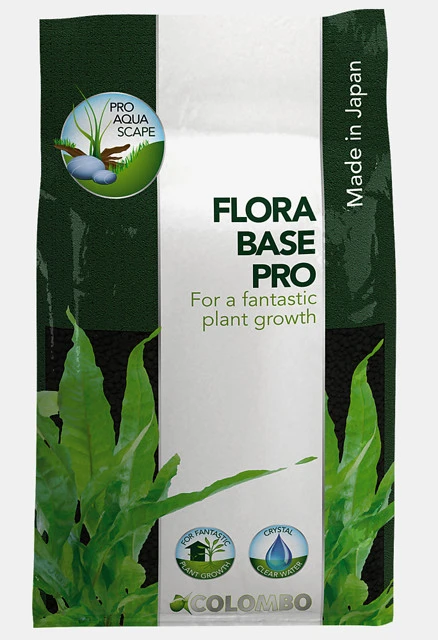
Flora base pro grof 2.5l
OptionalAquarius grisebachii: large rosette plant with a strong root system. Optional coarse root-zone aquasoil; may lower pH towards 6. 2.5 l pack; calculate substrate volume and check KH and all tank inhabitants.
Check retailer for price0 retailers
View retailers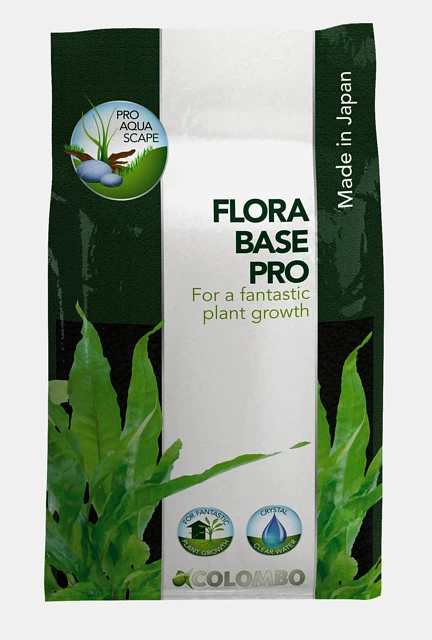
Flora base pro fijn 5l
OptionalAquarius grisebachii: large rosette plant with a strong root system. Optional fine root-zone aquasoil; may lower pH towards 6. 5 l pack; calculate substrate volume and check KH and all tank inhabitants.
Check retailer for price0 retailers
View retailers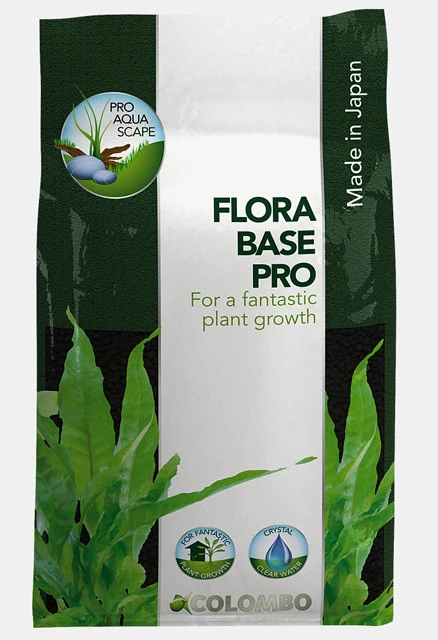
Flora base pro grof 5l
OptionalAquarius grisebachii: large rosette plant with a strong root system. Optional coarse root-zone aquasoil; may lower pH towards 6. 5 l pack; calculate substrate volume and check KH and all tank inhabitants.
Check retailer for price0 retailers
View retailersTools
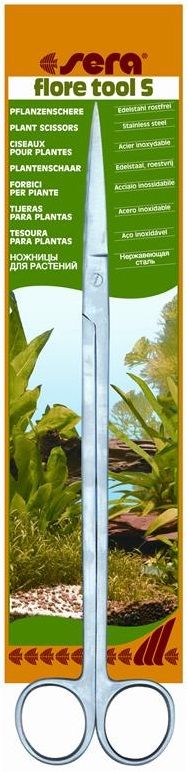
Sera Flore Tool S plantenschaar
OptionalOptional plant scissors for selective pruning or removing damaged parts. Protect growing points; gentle hand thinning is usually sufficient for floating plants.
Check retailer for price0 retailers
View retailersPrices from the latest retailer update, excluding shipping. Check stock and delivery with the retailer.
Lighting has been investigated but is not yet linked: available specifications do not adequately establish light class and coverage at plant depth.
Sources & review
This care guide draws on several specialist sources and was last checked on .