Monte Carlo
Micranthemum tweediei 'Monte Carlo'

Monte Carlo (Micranthemum tweediei 'Monte Carlo') is a low-growing aquarium plant with small round leaves and creeping shoots. A healthy field can cover the foreground like a soft green carpet. This effect does not occur automatically by pressing a pot into the soil: small plant groups, sufficient light at the soil and patient maintenance make the difference. The trade name is important here, because botanical sources place the name Micranthemum tweediei under Micranthemum umbrosum, while aquarium keepers mean 'Monte Carlo' as a specific low trade form. This guide is therefore not about every plant sold as umbrosum. CO₂ is recommended for an evenly dense carpet. In a simpler aquarium, growth may be less compact and slower; adjust expectations and lighting accordingly.
Plan your aquarium →At a glance
- Difficulty
- Moderate
- Plant height
- 3–5 cm
- Growth rate
- Moderate
- Placement
- Foreground
- Temperature
- 20–26 °C
- pH
- 5.0–7.0
- Light
- Moderate, High
- CO₂
- Recommended
- Nutrient uptake
- Through roots and water
- Substrate
- Sand, Gravel, Aquasoil
- Propagation
- Division, Cuttings
About this plant
The plant produces fine branching shoots with small, rounded green leaves. The usual carpet height is 3–5 cm when pruned regularly. Without maintenance, a thicker, layered mat can develop. The chosen name preserves the recognizable trade identity; the current botanical naming is registered separately internally. Do not confuse Monte Carlo with other small ground covers that require different care. Moreover, a trade photo does not prove that every batch under that name grows identically.
Natural habitat
The botanical name is associated with American wet habitats, while the aquarium commercial form is grown as a low ground cover. It is not possible to determine the exact natural growth location of each commercial plant supplied. That is why we do not use the origin as a recipe for an allegedly perfect soil or water composition. In the aquarium, rooting, light on the bottom and a stable supply of nutrition and carbon are practically relevant for the carpet effect.
Placement in the aquarium
Divide the plant into small healthy portions and plant them in the foreground with space between them. Leave the leaf above the soil and give roots contact with the substrate. We use 20–26 °C and pH 5–7 as the central care band. A high container or large overhead plants can greatly limit the light on this low species. Keep a strip open for feeding and maintenance when bottom dwellers need it.
Light
Medium to high light at the bottom suits a compact mat. That is not the same as a lamp that looks clear on the surface. Water depth, the width of the field, shadow and the spread of the lamp count. No specific lamp will be approved without usable product data. Do not extend the light duration indefinitely to compensate for a location that is too dark; first assess coverage and quality of new growth.
CO₂
CO₂ is recommended for a dense, even carpet, but this guide does not mention gas as absolutely mandatory under all circumstances. Without supply, the growth target should be calmer and a less dense form is possible. An installation requires safe adjustment for the entire aquarium. Local accumulation of gas is not an advantage. Adjust light and nutrients to the chosen system and change settings gradually, so that the cause of any problems remains recognizable.
Nutrition and fertilisation
Monte Carlo uses nutrition through roots and water. Nutritious soil can support the start, while water column nutrition supplements the general planting. Check which substances both actually provide. For example, ProFito does not contain nitrate or phosphate and does not replace them if there is a proven deficiency. Adding individual fertilisers without an overview makes maintenance unnecessarily complicated. Assess young shoots, color and firmness over several weeks rather than just daily growth.
Substrate and root feeding
Fine substrate helps small roots get a grip. Suitable soil, fine gravel or sand can be used, provided the nutrition and attachment are correct. A nutrient underlay is primarily a choice when setting up, not an obligation to restart an existing tank. Targeted root nutrition can be relevant in poor soil. Don't bury the leaves or plant portions as one thick clump; the inside of it cannot get enough light and circulation.
Growth and pruning
Cut the top layer back before the carpet becomes too thick. Light must continue to reach the lower living parts. Collect small chips with a net or hose so that they do not grow back everywhere or remain stuck in the filter inlet. Carefully prune a newly planted, still loose mat. If an old carpet is peeling, local renewal with healthy parts may be better than pressing the entire thick layer back into the ground.
Propagation
A healthy mat can be divided into small pieces. Choose areas with live shoots and roots, remove dying material and replant the areas with space between them. Creeping shoots can also root further when they have good contact with the soil. Do not use large, brown clumps at the bottom as starting material. Give new portions time to establish before thorough siphoning or heavy burrowing animals gain access.
Suitable fish and animals
Small schooling fish have plenty of swimming space above a low mat. Neon tetras and ember tetras fit within suitable shared values, provided their own group size and tank length are respected. Bottom fish also need accessible open spaces. Burrowing animals can loosen the fine roots and large herbivores can damage the field. A completely covered bottom is therefore not an obvious advantage for every community aquarium; rate the chosen animals individually.

Neon tetra
Suitable with conditionsThe low carpet preserves swimming space above it but needs light at substrate level and regular thinning. Provide shade elsewhere and prevent food disappearing into a thick mat. Adjust CO₂ carefully with the animals in mind. Retain the neon tetra school and calm, shaded swimming space.
View species profile →
Ember tetra
Suitable with conditionsThe low carpet preserves swimming space above it but needs light at substrate level and regular thinning. Provide shade elsewhere and prevent food disappearing into a thick mat. Adjust CO₂ carefully with the animals in mind. Ember tetras need a school and calm sheltered zones; do not brightly illuminate the entire aquarium.
View species profile →
Pygmy cory
Suitable with conditionsThe low carpet preserves swimming space above it but needs light at substrate level and regular thinning. Provide shade elsewhere and prevent food disappearing into a thick mat. Adjust CO₂ carefully with the animals in mind. Pygmy corydoras also use the bottom: retain soft, open substrate for foraging and an accessible feeding area.
View species profile →Possible problems
A loose mat can be related to insufficient rooting, excessive growth or disturbance. Brown underlayers require thinning and sometimes partial renewal. Algae between the leaves is difficult to remove; then check light, pollution and the balance of nutrition and CO₂. Damaged leaves are not immediately repaired by extra fertilizer. Look for new healthy shoots and choose a less demanding ground cover when available furnishings do not support the desired carpet.
Care for this plant
Plant fertiliser
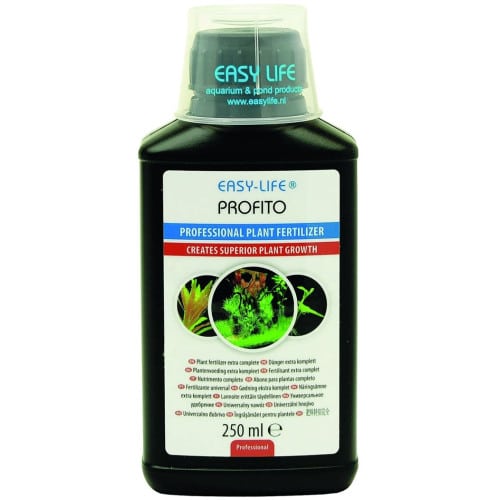
Easy Life ProFito 250ml
OptionalLiquid potassium and trace nutrients available through the water. Contains no nitrate or phosphate. Adapt supplementation to existing nutrients and plant growth; no automatic extra dosing.
Check retailer for price0 retailers
Compare prices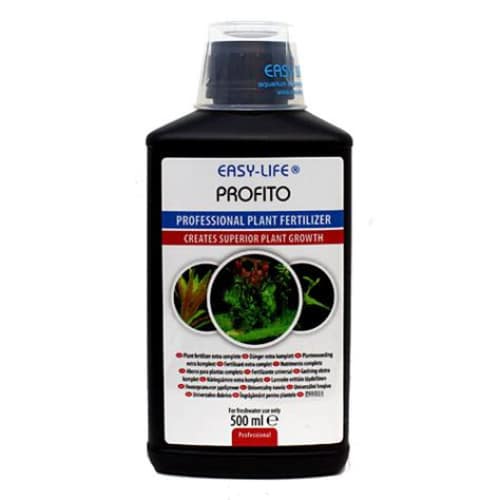
Easy Life ProFito 500ml
OptionalAn optional suitable product type; use according to manufacturer instructions and measured need.
Check retailer for price0 retailers
Compare pricesNutrient substrate
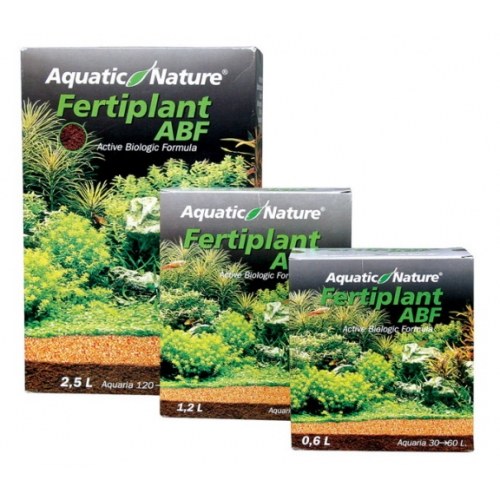
Aquatic Nature FertiPlant ABF 1.2L
OptionalNutrient substrate for a plant that also absorbs nutrients through its roots. Primarily for a new setup beneath a suitable covering layer. Not a root tablet; assess existing substrate nutrition first.
Check retailer for price0 retailers
Compare pricesCO₂ equipment
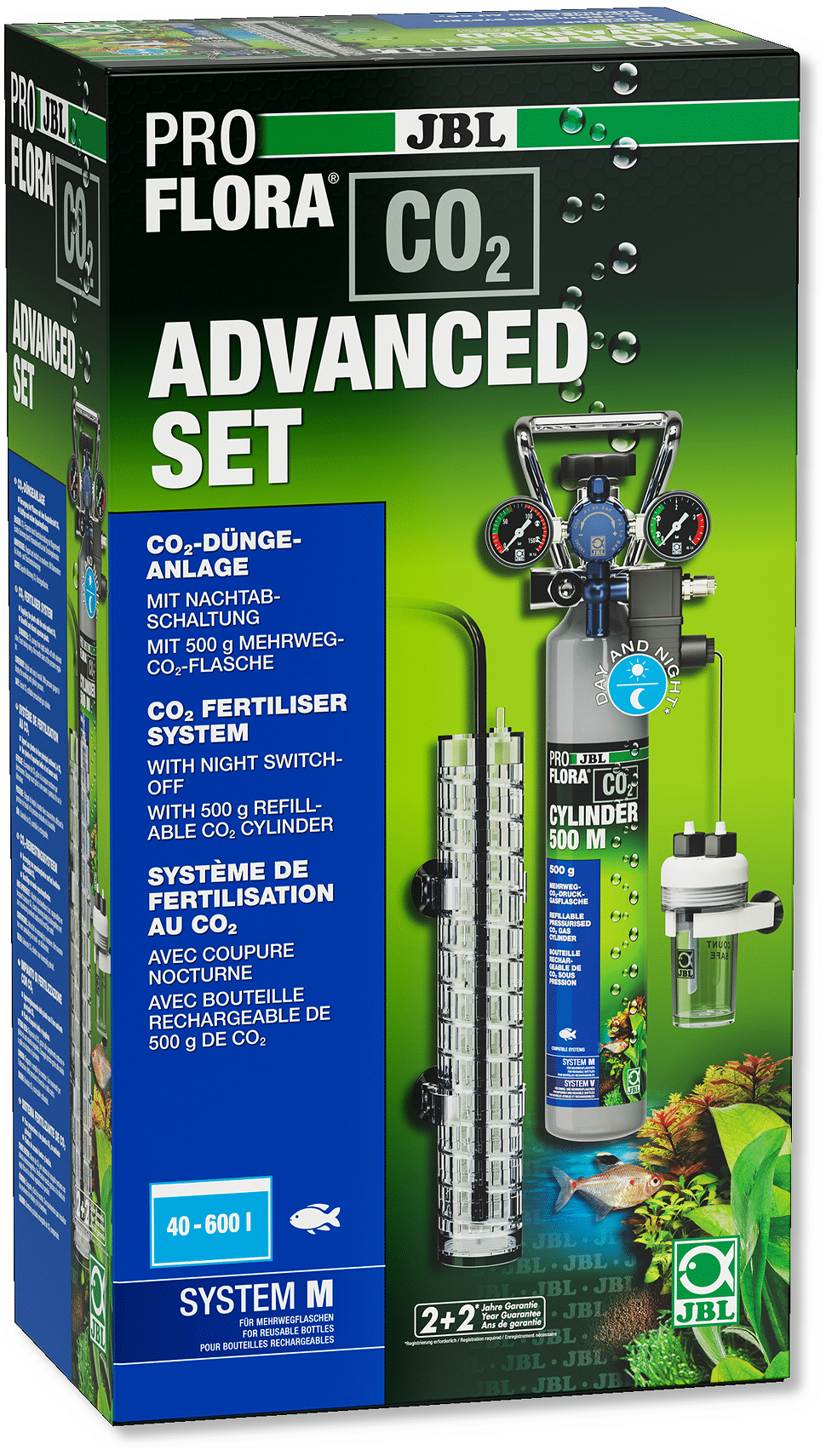
Jbl - Proflora CO2 Advanced Set M
RecommendedComplete gas CO₂ kit to support the recommended supply. Select only when tank volume and equipment are suitable; check livestock, circulation and safe dosing. Not universally mandatory.
Check retailer for price0 retailers
Compare pricesTools
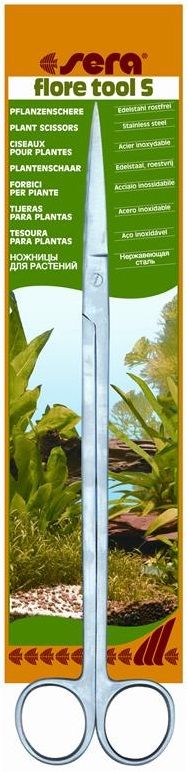
Sera Flore Tool S plantenschaar
OptionalOptional plant scissors for selective pruning or removing damaged parts. Protect growing points; gentle hand thinning is usually sufficient for floating plants.
Check retailer for price0 retailers
Compare pricesPrices from the latest retailer update, excluding shipping. Check stock and delivery with the retailer.
Lighting has been investigated but is not yet linked: available specifications do not adequately establish light class and coverage at plant depth.
Sources & review
This care guide draws on several specialist sources and was last checked on .