Montipora digitata
Montipora digitata
Species level

Montipora digitata is a branching stony coral with small polyps over a relatively fine surface. Many cultured forms grow readily and are considered more approachable SPS than the most sensitive Acropora, but still belong in a stable reef. Branches can be fragile, and growth changes both light distribution and circulation. Do not choose a site only for today's frag. Plan space around and between future branches, beyond the reach of aggressive LPS. This guide covers the named species, not every plating or encrusting Montipora. Light, chemistry and flow are assessed together: a high lamp setting cannot compensate for unstable alkalinity or debris collecting between branches.
Plan your aquarium →At a glance
- Identification level
- Species level
- Coral group
- SPS
- Difficulty
- Moderate
- Growth and pruning
- Fast
- Temperature
- 24–26 °C
- Specific gravity (SG at 25 °C)
- 1.025–1.026 SG
- pH
- 8.1–8.3
- Alkalinity
- 8–9 °dKH
- Calcium
- 400–450 mg/L
- Magnesium
- 1250–1350 mg/L
- Light requirement
- Moderate, High
- Flow requirement
- Moderate to high
- Position
- Middle, High
- Aggression
- Semi-aggressive
- Supplementary feeding
- Optional
Water values are reef-care guidance, not proven species limits. PAR describes only the stated culture experience; stability and gradual acclimation remain important.
About this coral
Finger-like branching explains the name digitata. Small polyps cover the surface without the conspicuous large terminal polyp typical of many Acropora. Colour and form vary with origin and conditions. A multicoloured culture-line name is not a new scientific species. Reliable identification remains important when a photograph is inconclusive. Handle the holder: thin branches may break under slight mechanical force.
Natural habitat
The species occurs on tropical Indo-Pacific reefs. Branching provides surface for light and exchange. Differences among natural sites and cultured lines prevent one depth or lamp reading from becoming a universal prescription. Ask how the frag actually grew. In the aquarium, maintain light on living tissue and water passing through the colony as its branches become denser.
Aquarium and layout
Secure the base to rock without unnecessarily covering living surfaces. Allow upward and sideways growth and continued maintenance access. A higher site can be practical but is not mandatory irrespective of lighting. Avoid routes where tools or large animals strike branches. No defensible minimum volume is independent of mature colony size, stability and space. A small SPS frag does not make an immature reef suitable.
Water conditions
Skeletal growth may noticeably increase calcium and alkalinity consumption. Follow trends and adjust supplementation only to demonstrated use. Stable salinity, temperature and appropriate magnesium matter too. Rapid corrections can disrupt more than a modest deviation investigated carefully. Avoid accumulation and blind pursuit of undetectable nutrients. A generic natural-nitrate table is not a species tolerance trial. Central data distinguish care guidance from proven limits.
Lighting and acclimation
Many digitata cultures grow under varied lighting. Sources differ between broad tolerance and stronger preferred exposure for particular lines. No single uncontested PAR range is therefore assigned to every specimen. Measure at branch height and acclimate a new frag gradually. Later, check the shaded base too. A pale growth tip differs from tissue loss; inspect intact surface and progression before changing intensity.
Water movement
Moderate to strong changing indirect movement renews water between branches. A straight jet on one tissue patch is not equivalent to useful turbulent circulation. Check debris at the base and dense branching. Growth may compromise a previously good position. Pump maintenance matters because fouling reduces actual output. Nominal litres per hour without layout and position cannot establish suitable local conditions.
Feeding
Photosynthetic symbionts supply substantial energy, while small suspended particles can supplement nutrition. Small polyps are not destinations for coarse LPS chunks. Suitable fine food remains optional and requires application checks. Monitor system response and nutrients rather than increasing portions to improve colour. An SPS package label starts an assessment; it does not finish it. Amino acids and trace elements are not automatically essential.
Growth and behaviour
Branches and base can expand clearly in suitable conditions. Rates vary by culture line and aquarium; no fixed doubling time is promised. Growth can shade lower animals and restrict the colony's own circulation. Follow its outline and retain maintenance space. Broken tips are not always illness, but repeated breakage needs its cause addressed. Do not leave loose pieces on other living corals.
Aggression and spacing
Montipora digitata lacks a torch's long reach, but direct contact remains undesirable. Growth may reach or shade another colony. Reserve future space above and behind the frag too. No fixed distance guarantees safety across varying forms and growth rates. Keep aggressive LPS away and check night contact. One-sided damage may reflect placement rather than a system-wide water problem.
Keeping with fish
Nipping fish may disturb small polyps or injure tissue; dwarf angelfish receive no automatic safe match. Large or active animals may also break thin branches. Assess actual behaviour of fish foraging among branches rather than relying on reef-safe wording. Sand deposited on a low base can cause problems too. Central relationships should distinguish these mechanisms.
Keeping with corals
Acropora can occupy another part of a well-managed SPS zone, but growth and contact still need monitoring. A large leather cap can remove light and add another form of competition. Do not let Discosoma or Xenia advance unchecked against the base. Fleshy-tentacled LPS need clearance. Assess future reef structure, not just overlapping water values.
Other invertebrates
Not every small coral resident is harmful, but Montipora-eating nudibranchs deserve focused attention. Inspect new frags and suspicious patches. A generic coral dip does not guarantee removal of all eggs or infestations. An arbitrary pest-control fish cannot replace identification and observation. Grazing snails or urchins can also overturn unsecured frags. Reliable relationships require concrete species and behaviour.
Propagation and fragging
Healthy branching colonies can be propagated, but fragility is no reason to remove branches at every maintenance session. Have an experienced grower assess healthy material and suitable tools. Protect eyes and hands from sharp pieces and mucus. Attach a frag to a suitable base without unnecessarily covering living surface. Investigate active tissue loss first; propagation is not a universal recovery treatment.
Possible problems
Watch bare patches, basal tissue recession and changes spreading quickly along branches. Bleaching with tissue still present differs from exposed skeleton. Check water trends, changed light, local flow, neighbours and possible infestation. Brown colour alone cannot diagnose a cause either. Avoid rapid repeated corrections or uncontrolled treatments. Recorded progression helps experienced assessment and protection of other colonies.
Keeping with other species

Pulsing Xenia
Suitable with conditionsKeep Xenia on its own rock away from the Montipora base. Overgrowth and shading can undermine an initially workable combination.
View species profile →
Discosoma mushroom corals
Suitable with conditionsOnly with separate light and flow zones. Keep Discosoma from spreading to the Montipora base and avoid contact with growing branches.
View species profile →
Acropora reef corals
Suitable with conditionsConditionally suitable in a stable SPS reef. Give each adequate light and circulation; prevent fast Montipora growth from touching or shading Acropora.
View species profile →
Banggai cardinalfish
Suitable with conditionsA Banggai cardinal can live alongside Montipora if sheltered fish space remains outside strong SPS circulation. Protect fragile branches during maintenance and layout changes.
View species profile →Care products
This selection contains an optional food supplement and a KH test for this SPS coral. Measure need and consumption; do not feed or dose automatically. Equipment is assessed only in the planner.
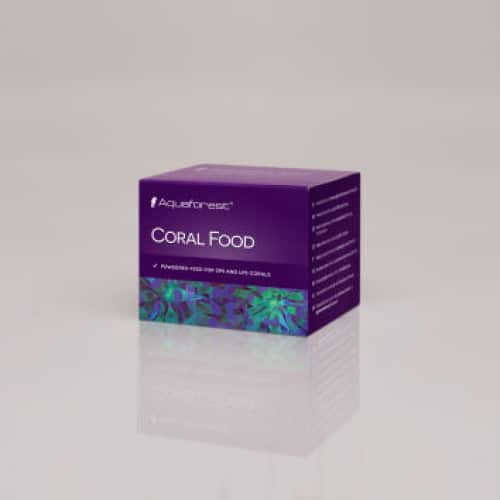
Aquaforest Coral Power Food 20g
Optional fine coral powder for supplementary feeding of this SPS. Use only where need and uptake are evident; monitor nitrate and phosphate and avoid overfeeding.
Check retailer for price0 retailers
Compare prices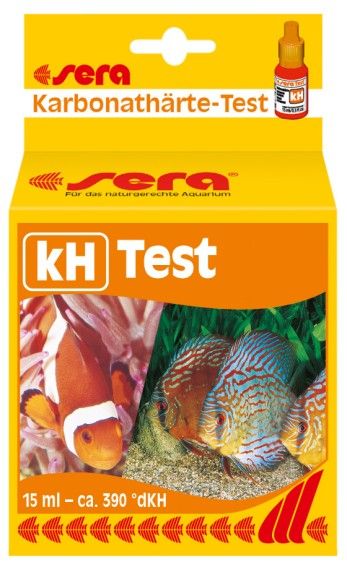
Sera - KH test
KH test for tracking alkalinity and consumption during skeletal growth. Measure consistently; a single result is not a reason to dose immediately.
Check retailer for price1 retailers
Compare pricesSources & review
This care guide draws on several specialist sources and was last checked on .