Acropora reef corals
Acropora
Genus level

Acropora includes many stony-coral species with branching, bushy and table-like forms. They can build impressive reefs but require a well-managed system and attention to change. This guide stays at genus level: a fantasy name or frag photograph cannot give every colony an exact species identity and identical numbers. Many common aquarium forms need strong appropriate lighting, changing flow and stable chemistry. More light or pump power alone is not proof of quality. The underside, base and interior of a growing colony must remain habitable too. Choose Acropora when you can follow measurement trends and respond to identified problems, not as the first test animal for a new reef.
Plan your aquarium →At a glance
- Identification level
- Genus level
- Coral group
- SPS
- Difficulty
- Difficult
- Growth and pruning
- Fast
- Temperature
- 24–26 °C
- Specific gravity (SG at 25 °C)
- 1.025–1.026 SG
- pH
- 8.1–8.3
- Alkalinity
- 8–9 °dKH
- Calcium
- 400–450 mg/L
- Magnesium
- 1250–1350 mg/L
- Light requirement
- High
- Flow requirement
- Moderate to high, High
- Position
- Middle, High
- Aggression
- Semi-aggressive
- Supplementary feeding
- Optional
Water values are reef-care guidance, not proven species limits. PAR describes only the stated culture experience; stability and gradual acclimation remain important.
About this coral
Many Acropora have a conspicuous axial polyp at branch ends and smaller radial polyps along branches. Growth and form vary greatly: compact colonies differ from broad ones casting extensive shade. Blue-light colour is not reliable species identification. The photograph illustrates the genus, not every trade form exactly. Ask for dependable identification and a cultured line's history.
Natural habitat
Acropora occupies different tropical reef regions and local conditions, not one depth or wave exposure. Research on one species cannot define universal limits for the genus. Light, exchange and chemical stability around living surfaces matter in captivity. Parent-colony conditions assist acclimation. A permanent jet on the same branch does not recreate natural wave movement.
Aquarium and layout
Choose a secure position with room for the eventual form. A table may occupy much more area than an upright frag suggests. Keep the base accessible and maintenance possible without striking branches. Starting lower during acclimation does not make an inadequately lit site suitable permanently. No universal minimum volume is given because size, maturity, stability and growth space vary too much.
Water conditions
Controlling change is central. Follow alkalinity, calcium, salinity and temperature over time and check methods after unexpected results. Consumption changes as colonies grow, so an old dose may not remain appropriate. Magnesium and nutrients belong in the same system assessment. No product replaces monitoring. Do not blindly correct towards a new table or treat general reef guidance as proven limits for all species. One perfect reading cannot exclude earlier fluctuations.
Lighting and acclimation
Many kept forms favour substantial light, but a broad genus cannot have identical hard PAR limits. Culture measurements retain their specimen and setup scope. Sudden intense exposure can harm a new colony even when its eventual needs are high. Measure several relevant places and acclimate gradually. Growth can leave the exterior lit and base shaded. Judge health beyond the colour shown under another lamp or camera.
Water movement
Strong changing indirect movement supports exchange between and around branches. Check the interior and base for trapped debris. A dense colony can gradually restrict its own circulation, as can pump fouling. Adjust direction, pattern or layout before merely increasing nominal output. Litres per hour and tank volume cannot reliably predict exposure at one sensitive tissue patch.
Feeding
Photosynthetic symbionts matter but do not make Acropora biologically dependent on light alone. Fine suspended food can supplement nutrition. Evaluate SPS foods by application and specifications rather than showing them as mandatory for every colony. Large meat pieces do not suit small polyps. Keep extra feeding modest and monitor system effects. Colour change after an addition does not establish that it was necessary.
Growth and behaviour
Growth varies with species, line and conditions. Watch a healthy base and spaces between branches as well as tips. Expansion can shade neighbours and alter flow, making success a reason to reassess layout. A white tip may represent growth or damage; intact tissue and progression help distinguish them. No fixed monthly genus-wide rate is promised.
Aggression and spacing
Contact may cause injury even without large visible sweepers. Allow for branches growing together and broad spreading forms. A fixed distance offers no lasting certainty. Aggressive LPS must remain out of reach, while soft corals may add chemical competition to shading. Assess clearance in three dimensions and preserve the option to move a colony before animals become interlocked.
Keeping with fish
Compatibility includes polyp nipping, foraging and mechanical force. Individual dwarf angelfish may cause damage after long apparently uneventful periods. Fish living among branches do not have identical effects on every Acropora. Large active fish can strike fragile colonies without eating coral. Use specific relationships and observe whether reduced extension coincides with contact. A generic reef-safe tick must not conceal these differences.
Keeping with corals
Montipora digitata may share a suitably managed SPS system, but both need growth space. A large Sarcophyton changes light and may add chemical competition. Lower LPS may be sensitive to the flow near an Acropora position. Divide the reef into suitable local zones. Shared temperatures do not mean every coral belongs on the same ledge or beneath the same pump.
Other invertebrates
Some small residents cause no obvious harm, while others damage tissue. Identify and observe before calling a crab, snail or flatworm safe or harmful. Inspect new frags and separate suspicious animals where a suitable system exists. A dip does not establish complete absence of pests or eggs. Urchins and larger grazers may overturn unsecured frags. Specific information takes precedence over clean-up crew labels.
Propagation and fragging
Healthy cultured colonies can be propagated, with methods depending on form and condition. Ask an experienced grower to assess material and tools when uncertain. Protect eyes and hands from sharp branches and mucus. Attach frags securely without unnecessarily covering living tissue. Investigate active tissue loss first; random breakage or repeated treatments are not general recovery advice.
Possible problems
Rapid or slow tissue recession, bleaching and browning are different signs, not diagnoses. Check measurement trends, dosing, temperature history, lighting, flow, contact and possible infestation. Rapid decline warrants timely experienced help. Record where changes occur and when they began. Avoid changing several factors substantially together unless an immediate cause requires correction. Stable fundamentals and prevention of further injury matter more than rushing through products.
Keeping with other species

Toadstool leather coral
Suitable with conditionsOnly in a spacious, stable mixed reef. Keep the leather from shading Acropora; monitor chemical competition and provide separate flow zones.
View species profile →
Montipora digitata
Suitable with conditionsConditionally suitable in a stable SPS reef. Give each adequate light and circulation; prevent fast Montipora growth from touching or shading Acropora.
View species profile →
Yellow clown goby
Suitable with conditionsA natural association is not damage-free. Gobiodon okinawae can eat Acropora tissue; a small frag is particularly vulnerable. Monitor polyp extension and tissue loss.
View species profile →Care products
This selection contains an optional food supplement and a KH test for this SPS coral. Measure need and consumption; do not feed or dose automatically. Equipment is assessed only in the planner.
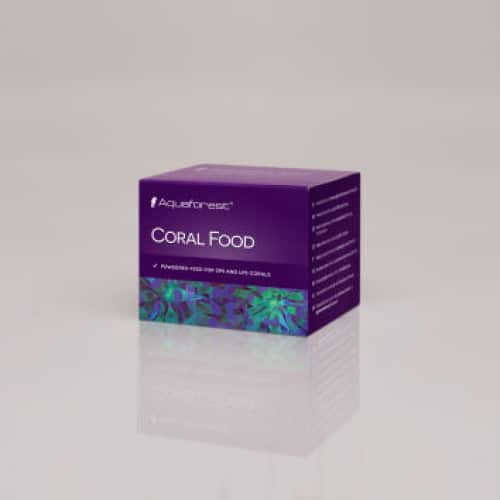
Aquaforest Coral Power Food 20g
Optional fine coral powder for supplementary feeding of this SPS. Use only where need and uptake are evident; monitor nitrate and phosphate and avoid overfeeding.
Check retailer for price0 retailers
Compare prices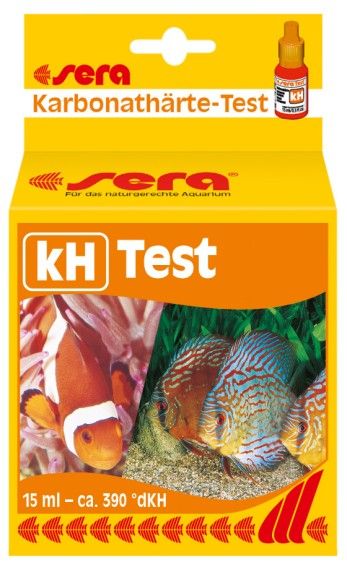
Sera - KH test
KH test for tracking alkalinity and consumption during skeletal growth. Measure consistently; a single result is not a reason to dose immediately.
Check retailer for price1 retailers
Compare pricesSources & review
This care guide draws on several specialist sources and was last checked on .