Variable Platy
Xiphophorus variatus

The variable platy (Xiphophorus variatus) is a small livebearing toothcarp native to Mexico. It is often confused with selectively bred platy forms. Seriously Fish gives a maximum standard length of 5 cm and a 60 × 30 cm base, about 54 litres at 30 cm water depth. It prefers moderately hard to hard water and benefits from a planted aquarium. Males may pursue females persistently, so keep more females than males in a mixed-sex group. Expect regular fry. Male and female fish differ in size and the male has a gonopodium, the modified anal fin used for internal fertilisation. Their colours and markings vary, which is reflected in the species name.
Plan your aquarium →At a glance
- Temperature
- 20–26 °C
- pH
- 7.0–8.2
- GH
- 14–30 °dGH
- Aquarium length
- At least 60 cm
- Minimum aquarium volume
- At least 54 L
- Adult size
- Up to 5 cm
- Group size
- At least 3 individuals
- Temperament
- Peaceful
About this species
Xiphophorus variatus belongs to the family Poeciliidae and order Cyprinodontiformes. FishBase and Seriously Fish use the accepted name Xiphophorus variatus (Meek, 1904). Wild fish are generally slimmer and have a slightly longer dorsal fin than X. maculatus. Many selectively bred, and sometimes crossbred, platy forms are sold; colour pattern alone does not confirm the species.Natural habitat
Its native range lies on Mexico’s Atlantic slope, from southern Tamaulipas to northern Veracruz. It occurs in shallow, densely vegetated streams, ponds, swamps, canals and ditches, often where algae and other plant material are plentiful. Introduced populations also exist beyond the native range. Never release aquarium fish into outdoor waters.Aquarium and layout
Use a mature filter and leave open swimming space between plants. Seriously Fish gives a minimum base of 60 × 30 cm and about 54 litres at 30 cm water depth; more is welcome. This is a sourced floor, not a guarantee for any stocking level. Dense plants provide cover and refuge for fry. In mixed-sex groups, a strong surplus of females helps reduce persistent courtship directed at each individual. Plan for regular fry.Water conditions
Seriously Fish’s aquarium guidance is 20–26°C, pH 7.0–8.2 and GH 14–30 dGH. FishBase reports lower temperatures and hardness in field records; measurements from native sites are not automatically aquarium-care boundaries. Keep the water stable and moderately hard to hard; the species does not thrive in soft, acidic water. Adjust water chemistry gradually.Behaviour and group size
The variable platy is a peaceful community fish when tankmates share compatible water requirements. Males may pursue females persistently. Keep more females than males and provide plants where fish can get out of each other’s attention. The species produces fry regularly. Domestic platy forms may include crosses with other Xiphophorus species; avoid mixing wild-origin lines if maintaining a pure population matters.Feeding
The variable platy is an omnivore. Wild foods include small benthic animals and detritus; FishBase also lists worms, crustaceans, insects and plant matter. Use a complete tropical food as the staple and vary it with suitable small frozen or live foods and plant matter. Feed small portions that are eaten promptly and remove leftovers.Breeding
The variable platy is livebearing and can reproduce readily in a well-maintained aquarium. Seriously Fish gives a gestation of about four to seven weeks and says large broods can occur; FishBase reports around 24 days and up to 100 young. Because the sources differ, we do not present an exact timeline as certain. Dense plants provide cover for fry. Plan in advance for raising or rehoming young.Suitable products
Recommended staple foods
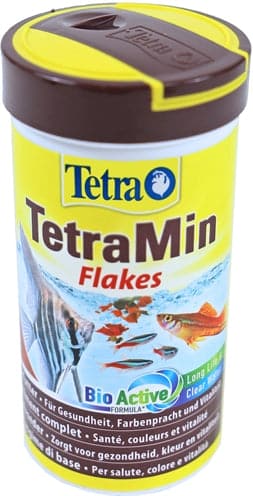
Tetramin Bio Active Vlokken Fish food 100 ml
Complete tropical staple suitable for a small omnivorous platy; also vary the diet with plant matter and small animal foods.
Check retailer for price0 retailers
View retailersSupplementary foods
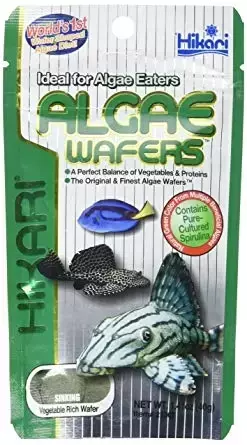
Hikari Algae wafers 40gr - Vissenvoer
Supplementary algae food for variety alongside the complete staple; do not use it as the only complete food.
Check retailer for price0 retailers
View retailersPrices from the latest retailer update, excluding shipping. Check stock and delivery with the retailer.
Sources & review
This care guide draws on several specialist sources and was last checked on .
View the sources
- Hikari — Hikari Tropical Algae Wafers — manufacturer feeding information
- Tetra — TetraMin Flakes — manufacturer product information
- Seriously Fish — Seriously Fish — Variable Platy / Xiphophorus variatus
- FishBase — FishBase — Xiphophorus variatus species summary
- GBIF — GBIF Backbone Taxonomy — Xiphophorus variatus
- Livebearerguy / Wikimedia Commons — Xiphophorus variatus La Laguna — Wikimedia Commons