Goldbreast splitfin
Ilyodon furcidens

The goldbreast splitfin (Ilyodon furcidens) is an active Mexican goodeid from rivers and streams. In the wild it mainly grazes algae and aufwuchs, while also taking insects from the surface and small invertebrates. It needs more swimming room, current and oxygen than a typical warm-water community fish. The specialist Goodeid Working Group recommends a spacious, low-profile aquarium of at least 120 litres. Keep temperatures on the cool side, offer varied foods, and choose captive-bred fish whose provenance is as well documented as possible. Plan for an active fish that needs room and consistent, well-filtered conditions.
Plan your aquarium →At a glance
- Temperature
- 18–24 °C
- pH
- 7.0–8.0
- GH
- 10–20 °dGH
- Aquarium length
- At least 75 cm
- Minimum aquarium volume
- At least 120 L
- Adult size
- Up to 10.3 cm
- Group size
- At least 6 individuals
- Temperament
- Peaceful
About this species
Ilyodon furcidens (Jordan & Gilbert, 1882) belongs to the family Goodeidae. It was originally described as Characodon furcidens; historical combinations include Ilyodon paraguayense and Ilyodon xantusi. Taxonomy within Ilyodon is complex: feeding forms and populations vary, and the Goodeid Working Group includes some historical xantusi forms within I. furcidens. This guide follows the accepted species name but does not merge I. whitei or I. cortesae into it. The name refers to the forked teeth.Natural habitat
The species occurs in western Mexico in several river basins in Jalisco and Colima, including the Ameca, Armería, Marabasco and Salado. Habitats include pools and riffles in streams and rivers over sand, gravel, stones and bedrock. Current ranges from still to swift; adults often use more flowing areas, while young fish can also occur in sheltered pools near the bank. The Goodeid Working Group reports local declines and disappearances where water levels shrink and non-native fish spread.Aquarium and layout
The Goodeid Working Group recommends at least 120 litres and a generous footprint; Seriously Fish gives a 75 × 30 cm base. Treat these as a lower limit for an active group, not an ideal final size. Use rounded gravel and smooth rocks, roots or branches, edge planting and open swimming lanes. Moderate to swift current and very oxygen-rich water are important; the specialist group gives at least 8 mg/L dissolved oxygen. Regular substantial water changes help maintain water quality, but avoid abrupt shifts in temperature or chemistry.Water conditions
Seriously Fish gives 18–24°C, pH 7.0–8.0 and GH 10–20 dGH. FishBase lists a warmer 24–27°C environmental range, while the Goodeid Working Group warns that sustained temperatures above 26°C may harm health. For aquarium care we therefore follow the specialist aquarium range of 18–24°C and avoid prolonged heat. Stable, clean, oxygen-rich conditions matter more than rapidly correcting the tank toward one exact number.Behaviour and group size
Goldbreast splitfins are often found in large schools in the wild. Six or more is reported as a practical starting group; this is not an experimentally established biological minimum. The fish are usually peaceful toward robust species that tolerate cooler temperatures and current. Males display and may squabble, although serious injury is not often reported. A species aquarium makes it easier to observe natural behaviour and preserve locality lines. Assess any tankmates by adult size, activity, current and food competition as well as water values.Feeding
In nature the species mainly eats algae and aufwuchs, along with surface insects and small invertebrates. The Goodeid Working Group describes different mouth forms with different emphasis on grazing or surface feeding; both can use aufwuchs. Offer a varied omnivore diet: complete flakes or fine granules, algae-rich plant foods, blanched vegetables and suitable small frozen or live prey such as Daphnia and brine-shrimp nauplii. Remove leftovers and do not rely exclusively on animal protein.Breeding
Ilyodon furcidens is livebearing. Embryos develop within the female and the fry are born relatively well developed. The Goodeid Working Group records young mainly from February to July, possibly later. It reports that fry are usually not eaten, although dense plants provide extra refuge. Keep population history documented: Ilyodon has taxonomic and geographic uncertainties. Do not mix fish of unknown origin or label a locality line unless its provenance is supported.Suitable products
Recommended staple foods
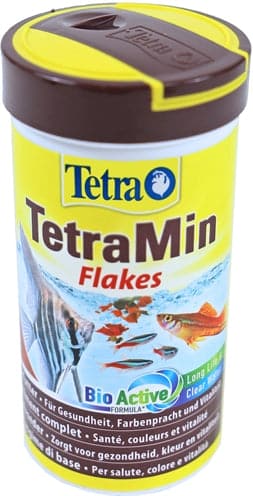
Tetramin Bio Active Vlokken Fish food 100 ml
Complete flake staple for omnivorous fish; combine it with this species’ algae-rich foods and small animal-food supplements.
Check retailer for price0 retailers
View retailersSupplementary foods
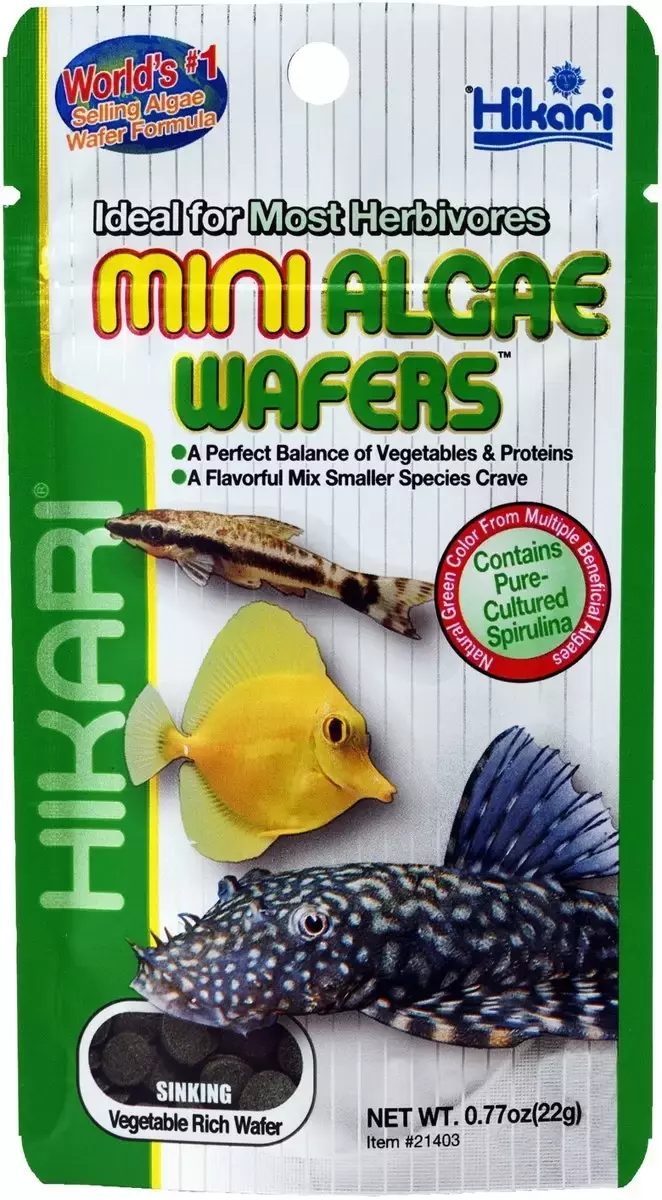
Hikari Mini algae wafers 22gr - Vissenvoer
The manufacturer describes this mini algae wafer (6.5–7.5 mm) for smaller algae-eating fish; use as part of a varied diet.
Check retailer for price0 retailers
View retailersPrices from the latest retailer update, excluding shipping. Check stock and delivery with the retailer.
Sources & review
This care guide draws on several specialist sources and was last checked on .
View the sources
- Tetra — TetraMin Flakes
- Hikari Sales USA — Hikari Mini Algae Wafers — manufacturer specifications and feeding guidance
- North American Goodeid Working Group — Goodeid Working Group — Ilyodon furcidens account
- FishBase — FishBase — Ilyodon furcidens summary
- Seriously Fish — Seriously Fish — Ilyodon furcidens aquarium profile
- TankBud — TankBud — Goldbreast splitfin care profile
- Integrated Taxonomic Information System — ITIS — Ilyodon furcidens taxonomic record
- Andrewbogott / Wikimedia Commons — Ilyodon furcidens — Wikimedia Commons